Health and Wellness: Practical Medication & Supplement Guides
Mixing medicines or skipping a dose can do more harm than you think. This section gives plain, useful answers about medications, supplements, side effects, and everyday care—so you can make safer choices without the confusion.
We focus on real problems people face: understanding what a drug does, spotting common side effects, managing missed doses, and checking interactions. You’ll find clear how-to advice—like what to do if you miss Lisinopril-HCTZ, or realistic tips for starting an antidepressant like Lexapro. No jargon, just simple steps you can use today.
Quick medication tips you can use
Read labels before you take anything. That sounds basic, but it's where most mistakes start. Know the active ingredients, usual side effects, and whether a med needs food or monitoring. If you’re prescribed a blood thinner like Coumadin (warfarin), get clear instructions on diet and INR checks. For nausea after chemo, drugs like Kytril (granisetron) work well—ask about timing and what to expect.
If you miss a dose, don’t panic. Many meds have a simple rule: take it when you remember unless it’s almost time for the next dose. But some drugs need a different approach—check the specific guide (for example, our Lisinopril-HCTZ missed-dose article) or call your pharmacist. Keep a chart or phone alarm to avoid missed doses.
Supplements are not harmless by default. Natural names can hide strong effects and interactions. Azelaic acid is great for acne scars, but topical products need a schedule and sun protection. Newer supplements like Andrachne or Lungmoss sound promising, but verify ingredients and watch for interactions with prescription drugs.
Top reads in this category
Want quick suggestions on where to start? Check out these practical articles: Kytril: Guide to Uses, Side Effects & Tips for Nausea Relief for anti-nausea basics; Coumadin: What You Really Need to Know About Warfarin for safe blood-thinner care; Lexapro Uses, Side Effects, and Tips for everyday mental health guidance; and Azelaic Acid for Acne Scars to learn how to use a popular skincare treatment.
We also cover safety news and real-world problems—like medication recalls and contamination concerns—so you stay informed about risks and alternatives. If you live with a chronic condition, our DMARDs Compared piece helps weigh options for autoimmune care in 2025.
Want more practical help? Use the search box to find a drug name or symptom, or scan the short guides above. If something feels off with your medicine—new symptoms, confusion about dosing, or unexpected side effects—call your pharmacist or doctor. This page is here to make those conversations easier and to help you take control of your health with clear, real-world information.
Air Travel With Ear Problems: Proven Equalization and Safety Tips for Flying Comfortably
21 Dec, 2025
Learn how to prevent and manage airplane ear with proven equalization techniques, safety tips for kids, and what works best - from earplugs to nasal sprays. Fly comfortably even with congestion or ear issues.
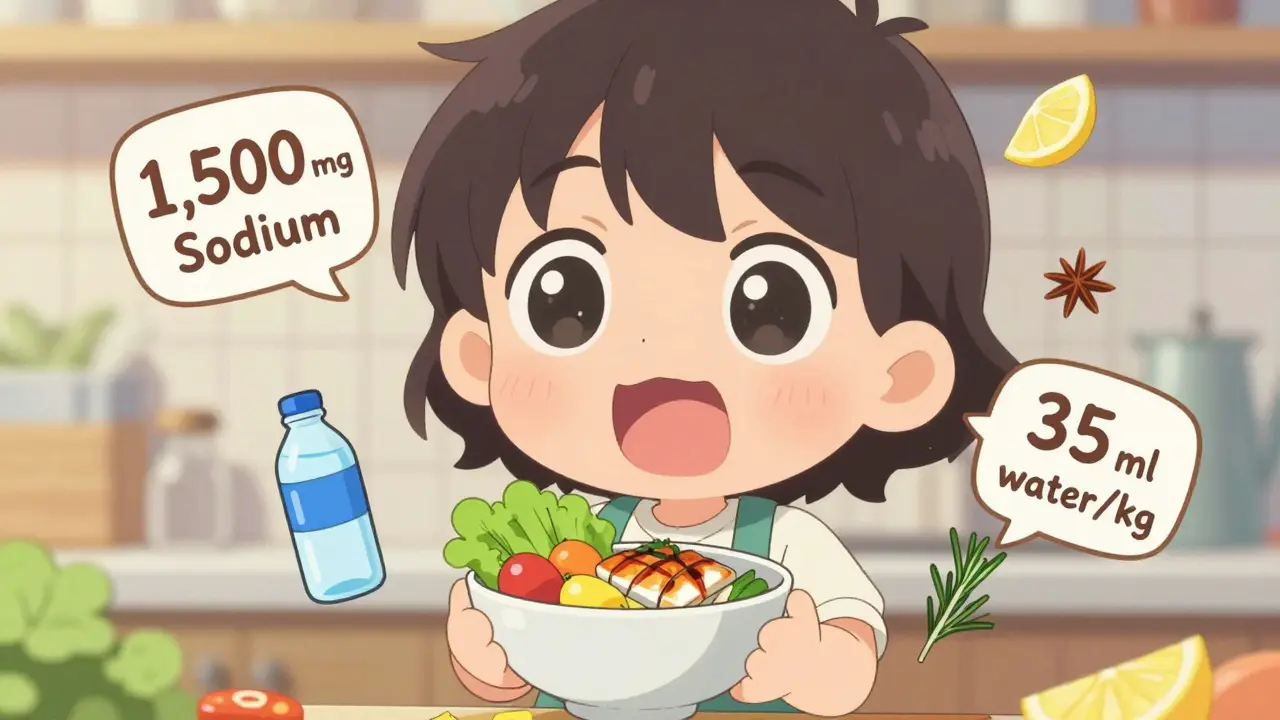
Meniere’s Diet: How Sodium Restriction and Fluid Balance Reduce Vertigo and Hearing Loss
20 Dec, 2025
Learn how a low-sodium diet and proper fluid intake can reduce vertigo, tinnitus, and hearing loss in Meniere’s disease. Evidence-backed dietary tips to manage symptoms naturally.
GERD and Acid Reflux: How PPIs and Lifestyle Changes Work Together
17 Dec, 2025
GERD and acid reflux can be managed with lifestyle changes and smart use of PPIs. Learn how weight loss, food choices, and timing of meals reduce symptoms - and why long-term PPI use needs caution.
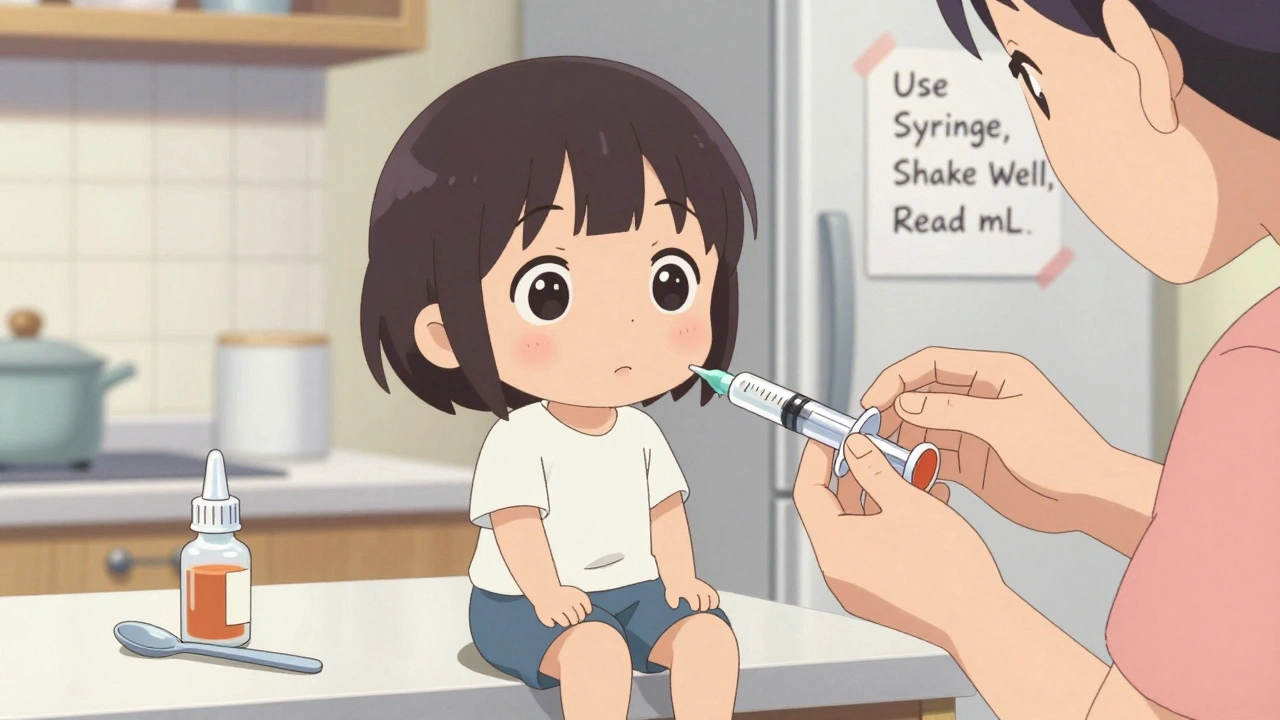
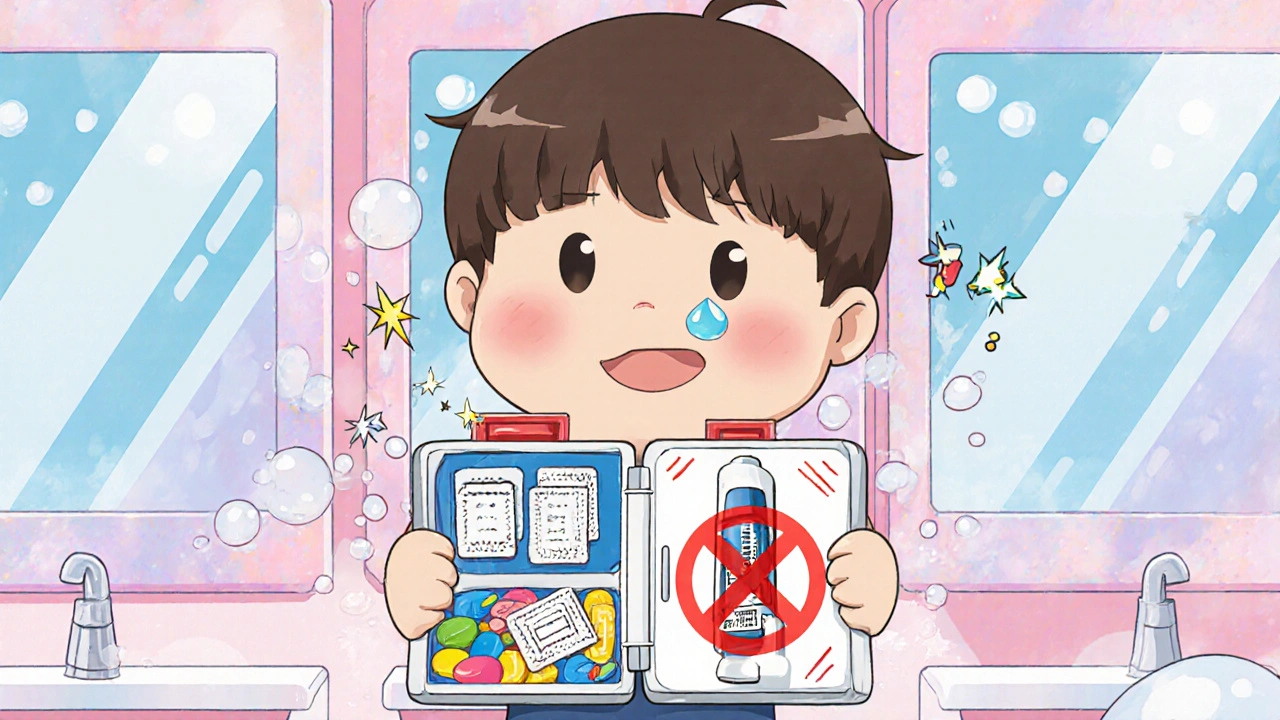
How to Measure Children’s Medication Doses Correctly at Home
9 Dec, 2025
Learn how to measure children's liquid medication accurately at home using oral syringes and milliliters only. Avoid dangerous dosing errors with proven steps, tools, and expert tips.
Sexual Side Effects from Common Medications: What You Need to Know
8 Dec, 2025
Many common medications - from antidepressants to blood pressure pills - can cause sexual side effects like low desire, erectile dysfunction, or orgasm problems. Learn which drugs are most likely to cause these issues and what you can do about them.
Dietary Supplement-Drug Interactions: What You Need to Know for Safety
4 Dec, 2025
Dietary supplements can interfere with medications in dangerous ways - from reduced effectiveness to life-threatening bleeding. Learn which supplements pose the biggest risks and how to protect yourself.
Chronic Tension Headaches: Triggers, Prevention, and Evidence-Based Treatments
1 Dec, 2025
Chronic tension headaches affect millions and are often misdiagnosed. Learn the real triggers, evidence-based prevention methods, and effective treatments - from CBT and amitriptyline to sleep and screen habits - that actually work.
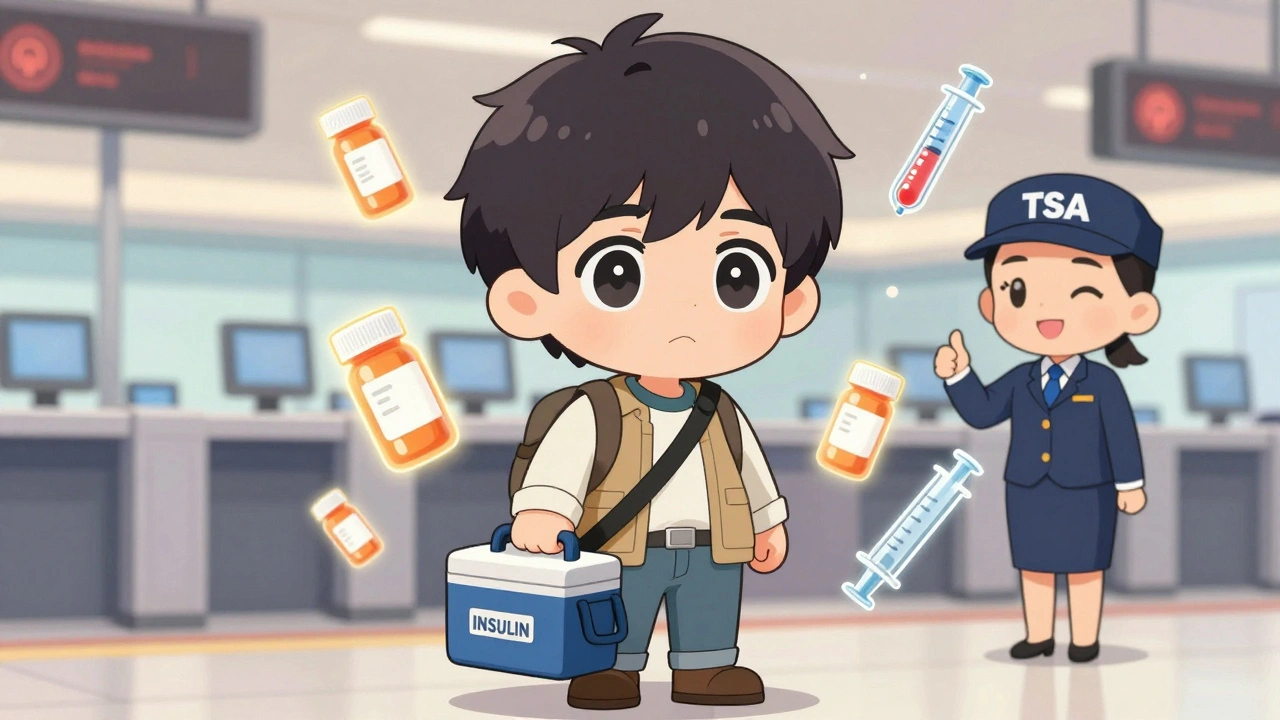
Packing Medications for Air Travel: Best Practices for Safety
1 Dec, 2025
Learn the essential rules for flying with medications safely-TSA guidelines, temperature control, international restrictions, and what documents you need to avoid delays or lost meds.
Melanoma Prevention, Detection, and Treatment: What You Need to Know in 2025
1 Dec, 2025
Melanoma is the deadliest skin cancer, but 90% of cases are preventable. Learn how to spot it early with the ABCDE rule, who’s at risk, what treatments work in 2025, and how to protect yourself - no matter your skin tone.
How to Decide When to Replace Expired OTC First-Aid Medications
24 Nov, 2025
Learn how to tell when expired OTC first-aid medications are still safe to use-and which ones you must replace immediately. Avoid risks and keep your first-aid kit reliable.

 by
by