
 by
by Chronic Tension Headaches: Triggers, Prevention, and Evidence-Based Treatments
1 Dec, 2025Chronic tension headaches aren’t just bad days. They’re chronic tension headaches - happening 15 or more days a month, for three months straight. No pounding, no nausea, no light sensitivity. Just a constant, dull pressure around your head, like a tight band you can’t take off. If this sounds familiar, you’re not alone. About 2-3% of adults deal with this every day, and women make up most of them. The worst part? Many people suffer for years before getting the right diagnosis. Doctors often call it "just stress" - but it’s not that simple.
What Exactly Is a Chronic Tension Headache?
The official definition comes from the International Classification of Headache Disorders (ICHD-3): headaches on at least 15 days a month for three months or more, with specific features. The pain is usually dull, pressing, or tightening - not throbbing. It hits both sides of your head, not just one. You might feel it in your temples, the back of your neck, or across your forehead. The intensity? Around 5 out of 10 on average. Episodes can last from half an hour to several days.
Unlike migraines, chronic tension headaches don’t usually come with vomiting, extreme light sensitivity, or sensitivity to loud noises. If you have those, it’s more likely a migraine. But here’s the catch: 38% of people with chronic daily headaches are misdiagnosed. They’re told they have migraines when they actually have tension-type headaches. That’s dangerous because the treatments are different.
And no, brain scans won’t show anything. There’s no X-ray, MRI, or CT scan that confirms chronic tension headaches. Diagnosis is based on your symptoms, your history, and ruling out other causes. A normal neurological exam is part of the process. If your doctor finds anything abnormal - weakness, vision changes, balance issues - then it’s not just a tension headache.
It’s Not Your Muscles - It’s Your Brain
For decades, people were told chronic tension headaches were caused by tight neck and scalp muscles. You were given massages, heat packs, and muscle relaxants. But that’s outdated. Modern research shows muscle tension is a side effect, not the cause.
The real problem? Your brain has become too sensitive to pain. This is called central sensitization. The nerves in your brain and spinal cord that handle pain signals are stuck on high volume. Even normal sensations - like the weight of your hair or the pressure of your glasses - can feel painful. It’s like your pain system got stuck in alarm mode.
Studies show this happens in areas like the trigeminal nucleus caudalis and the thalamus - the brain’s pain control centers. Stress, poor sleep, and repeated pain episodes can rewire these areas over time. That’s why someone who gets occasional headaches can suddenly start having them every day. It’s not more stress - it’s your brain’s response to past stress.
Genetics play a role too. If a close family member has chronic tension headaches, your risk is 2.3 times higher. It’s not just bad habits - it’s biology.
What Actually Triggers These Headaches?
Triggers aren’t always obvious. You might think stress is the culprit, but studies show only 22% of headaches are linked to acute stress. The bigger trigger? The recovery phase after stress. When you finally relax - after a long work week, a big presentation, or a family trip - that’s when the headache hits. Your body’s stress hormones drop, and your brain misinterprets the change as danger.
Here are the proven triggers, backed by data:
- Sleep disruption: Getting less than six hours a night increases your risk 4.2 times. Even small changes - going to bed 30 minutes later than usual - can set off an attack.
- Caffeine swings: Drinking more than 200mg of caffeine daily (about two cups of coffee) and then skipping it can trigger headaches. It’s not the caffeine itself - it’s the withdrawal.
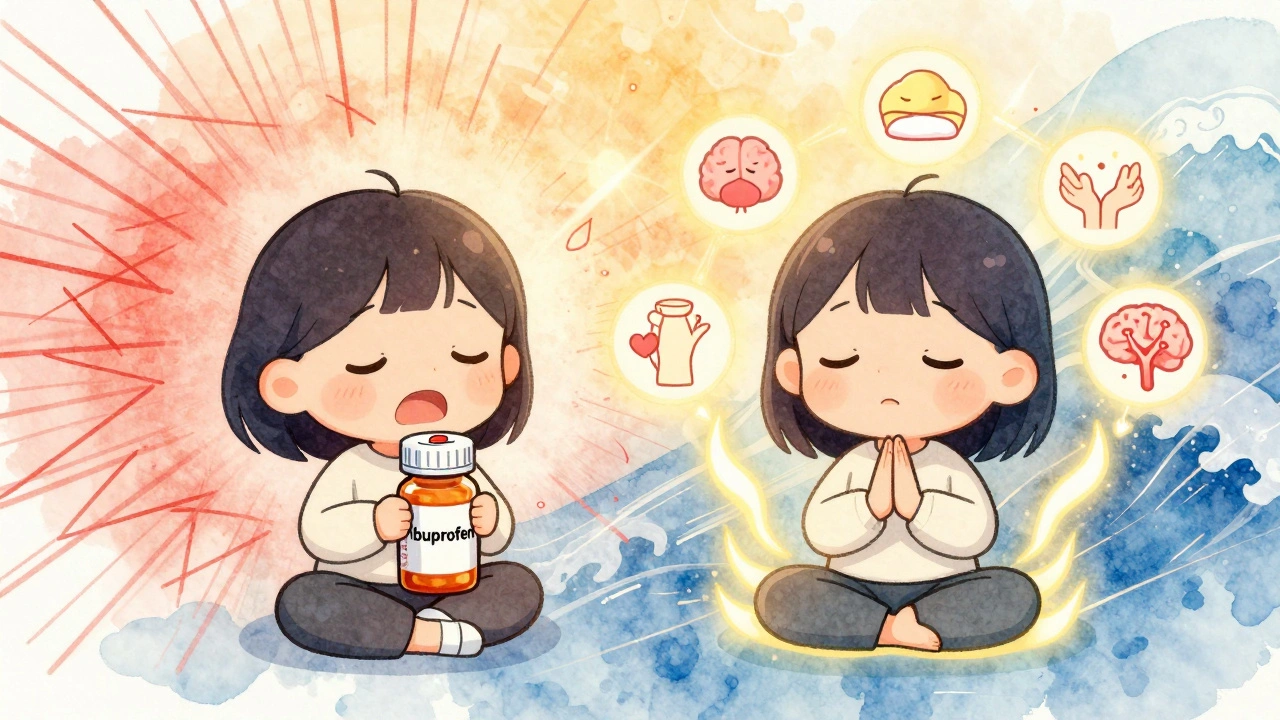
- Medication overuse: Taking painkillers like ibuprofen, aspirin, or acetaminophen more than 10 days a month can turn occasional headaches into daily ones. This is called medication-overuse headache, and it’s a trap many fall into.
- Screen time: Looking at screens for more than seven hours a day increases your risk by 63%. The problem isn’t blue light - it’s poor posture and staring without blinking.
- Jaw clenching: Grinding your teeth at night or clenching during the day increases muscle activity in your jaw by 3.1 times during headaches. It’s often linked to stress.
- Dehydration: When your blood gets too concentrated (serum osmolality over 295 mOsm/kg), it can trigger headaches. That’s less than you think - just skipping water for a full day can do it.
- Uncorrected vision: If you have astigmatism over 1.5 diopters and read up close for more than 45 minutes, you’re at higher risk. Your eyes strain, your neck tightens, and your brain picks up the signal.
Weather changes? Weak link. Poor posture? It matters - if your head sticks out more than 4.5cm forward from your neck, suboccipital muscles work 2.8 times harder during computer use. But it’s still a contributing factor, not the root cause.
How to Stop Them - Real, Evidence-Based Prevention
Prevention is the key. If you’re having headaches 10 or more days a month, you’re in the prevention zone. Waiting until they’re daily means you’re already in a cycle that’s harder to break.
1. Cognitive Behavioral Therapy (CBT)
This isn’t "just talk therapy." CBT for headaches is structured, time-limited, and backed by strong science. In a 2021 JAMA Neurology study, patients cut their headache days by 41% in just 12 weeks. CBT teaches you how to recognize stress patterns, manage reactions, and reduce the brain’s pain sensitivity. It doesn’t cure you - it rewires your response.
2. Physical Therapy - The Right Kind
Not all physical therapy helps. You need a therapist trained in cervicogenic and tension-type headaches. They focus on craniocervical flexion exercises - gentle moves that strengthen the deep neck muscles that support your head. In one study, 12 sessions reduced headache frequency by 53%. The catch? Only 12% of U.S. physical therapists have this specialized training. Ask if they’ve treated chronic tension headaches before.
3. Mindfulness and Stress Recovery
Daily mindfulness for just 15 minutes lowers cortisol (your stress hormone) by 29% in eight weeks. That’s not magic - it’s biology. Apps like Insight Timer or Calm can guide you. But the real win? Consistency. Going to bed and waking up within 20 minutes of the same time every day - even on weekends - cuts headache frequency by more than half for many people.
4. The 20-20-20 Rule for Screens
Every 20 minutes, look at something 20 feet away for 20 seconds. This simple habit reduces eye strain, neck tension, and headache triggers. It’s endorsed by 83% of people who’ve tried it in a 2024 poll by the Migraine Research Foundation. Use a timer. Set a reminder. It works.
5. Acupuncture
It’s not placebo. A 2023 Cochrane Review found acupuncture leads to 3.2 fewer headache days per month compared to fake acupuncture. It’s not as strong as CBT or physical therapy, but it’s safe and worth trying if other options aren’t working.
Medications - What Works, What Doesn’t
For acute relief, over-the-counter painkillers are fine - but only if you don’t overuse them. Ibuprofen 400mg works in 68% of cases. Aspirin 900mg helps about half. But take them more than 14 days a month, and you risk turning your headaches into a daily problem.
For prevention, there are two main options:
- Amitriptyline: This old-school antidepressant is still the gold standard. Start at 10mg at night. Increase slowly to 25-50mg. It works for 50-70% of people. But side effects? Dry mouth, weight gain (average 2.3kg), drowsiness. About 28% quit because of them.
- Mirtazapine: A newer option. Also an antidepressant, but with fewer side effects. In a 2022 trial, it was just as effective as amitriptyline, but 35% of people stayed on it versus 62% who dropped amitriptyline. It causes hunger - but not weight gain in everyone.
Here’s what doesn’t work:
- Botulinum toxin (Botox): FDA-approved for migraines, but useless for chronic tension headaches. Don’t waste your money.
- Muscle relaxants (cyclobenzaprine): No strong evidence they help. They cause drowsiness and dizziness. Some clinics still prescribe them - but experts say don’t bother.
- Opioids: Zero benefit. High risk of dependence. Avoid at all costs.
NSAIDs like nimesulide are banned in 28 countries because of liver damage. Even ibuprofen and naproxen can cause stomach bleeding if used long-term. Always stick to the lowest effective dose for the shortest time.
What About New Treatments?
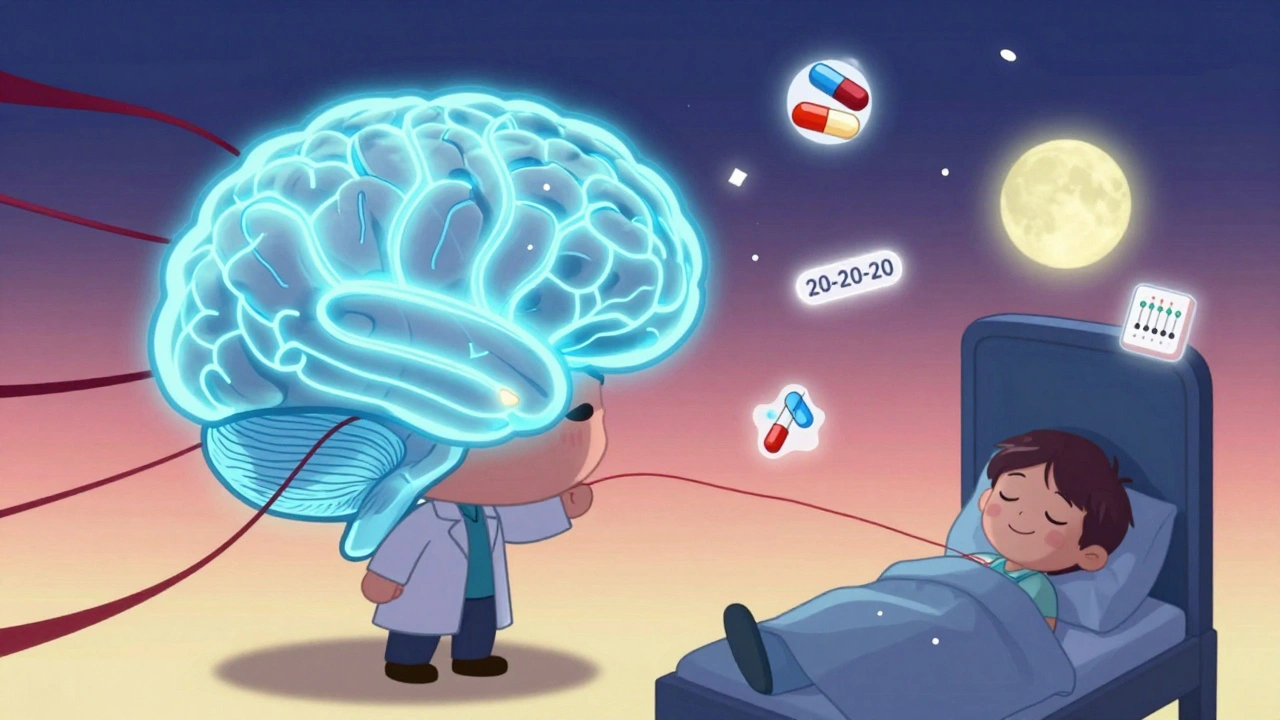
There’s exciting research on the horizon. Atogepant, a drug approved for migraines, is now being tested for chronic tension headaches. Early results show it reduces headache days by 5.1 per month - almost as good as amitriptyline, but without the side effects. It’s not approved yet, but it’s in fast-track review by the FDA.
Occipital nerve stimulation - a small device implanted behind the neck - showed a 62% response rate in a small 2023 pilot study. It’s still experimental, but promising for people who haven’t responded to anything else.
And then there’s the gut-brain connection. People with chronic tension headaches have lower levels of a beneficial gut bacteria called Faecalibacterium prausnitzii. Could probiotics help? Maybe. Research is early, but it’s a new direction.
What No One Tells You
You’re not alone in feeling dismissed. On Reddit’s r/headaches, over 2,000 people have posted about being told "it’s just stress" - and waiting an average of 2.7 years for a correct diagnosis. That delay makes the condition worse.
Keep a headache diary. Use an app like Migraine Buddy. Track your sleep, caffeine, stress levels, and pain intensity. This isn’t fluff - it’s your best tool for proving patterns to your doctor. People who keep diaries have 76% higher adherence to treatment plans.
And don’t ignore mental health. Chronic pain increases depression risk by 2.1 times. If you’re feeling hopeless, overwhelmed, or exhausted - talk to someone. Therapy isn’t a backup plan. It’s part of the cure.
Bottom Line
Chronic tension headaches aren’t a sign of weakness. They’re a neurological condition - one that’s treatable, but not with quick fixes. You need a plan: stop overusing painkillers, start managing stress properly, get the right physical therapy, and consider medication if needed. It takes time. But people do get better. One person on HealthUnlocked cut their headaches from 22 days a month to 9 - just by fixing their sleep schedule. Another switched from amitriptyline to mirtazapine and regained their appetite and energy.
You don’t have to live with this pain. But you do need to stop treating it like a muscle problem. It’s a brain problem. And the brain can heal - with the right approach.
Are chronic tension headaches dangerous?
Chronic tension headaches themselves aren’t dangerous or life-threatening. They don’t cause strokes, tumors, or brain damage. But they can severely impact your quality of life - leading to missed work, strained relationships, and increased risk of depression. The real danger is misdiagnosis. If you’re told it’s "just stress" and no further evaluation is done, you might miss another condition like chronic migraine or a secondary headache disorder. Always get a proper neurological exam to rule out other causes.
Can I take ibuprofen every day for my headaches?
No. Taking ibuprofen or other NSAIDs more than 10 to 14 days a month can cause medication-overuse headaches - where your headaches become more frequent and harder to treat. This is a common trap. Even if the medicine helps at first, long-term daily use rewires your brain’s pain system. Stick to no more than two days a week for acute relief. If you need pain relief more often, it’s time to talk about prevention strategies like amitriptyline, CBT, or physical therapy.
Why do my headaches get worse when I relax?
This is a classic pattern in chronic tension headaches. During high-stress periods, your body stays in "fight or flight" mode - your pain system is suppressed by adrenaline. When you finally relax - after a long day, a vacation, or a big project - your stress hormones drop. Your brain interprets this sudden change as a threat, triggering a headache. It’s not that you’re less stressed - it’s that your brain has become hypersensitive to any shift in your nervous system. Managing this requires stress recovery techniques, not just stress reduction.
Is Botox effective for chronic tension headaches?
No. Botox (onabotulinumtoxinA) is FDA-approved for chronic migraine, but not for chronic tension headaches. Multiple studies have shown it provides no significant benefit for tension-type headaches. Some clinics still offer it because patients ask for it, or because they confuse it with migraine treatment. Don’t waste your time or money. Focus on treatments with proven results: amitriptyline, CBT, physical therapy, and mindfulness.
How long does it take for amitriptyline to work?
It takes time. Most people start noticing improvement in 2 to 4 weeks, but full benefits usually take 6 to 8 weeks. You start at a low dose - often 10mg at night - to minimize side effects like drowsiness and dry mouth. Your doctor will slowly increase it to 25-50mg if needed. Don’t stop if you don’t see results right away. Many people give up too soon. If side effects are too strong, talk to your doctor about switching to mirtazapine, which works similarly but with fewer side effects for most people.
Can diet or supplements help with chronic tension headaches?
There’s no proven supplement that cures chronic tension headaches. Magnesium, riboflavin, and coenzyme Q10 are often recommended for migraines - but they don’t work for tension-type headaches. What does matter is avoiding triggers like caffeine withdrawal, dehydration, and skipping meals. Some people report benefits from reducing processed foods or alcohol, but these aren’t backed by strong evidence. The best "diet" for chronic tension headaches is consistency: regular meals, enough water, and avoiding known triggers. Focus on sleep, stress, and movement first - supplements are a distraction unless you have a diagnosed deficiency.
Should I get an MRI for my chronic headaches?
Not unless your doctor finds red flags. If your neurological exam is normal, you have no vision changes, no weakness, no confusion, and your headaches match the classic pattern of chronic tension headaches - an MRI won’t help. Imaging is used to rule out serious conditions like tumors or aneurysms. But in 95% of chronic tension headache cases, scans are normal. Unnecessary MRIs add cost, anxiety, and false hope. Save imaging for cases where symptoms don’t fit the pattern or if new neurological signs appear.
Can I outgrow chronic tension headaches?
Yes, many people do - but not without action. About 3.4% of people with episodic tension headaches develop the chronic form each year. But the reverse is also true: with proper treatment, up to 50% of people with chronic tension headaches return to episodic or even rare headaches within a year. The key is early intervention. Waiting too long allows your brain to become more sensitized, making recovery harder. The sooner you start CBT, improve sleep, manage stress, and avoid medication overuse, the better your chances of recovery.
Sheryl Lynn
December 2, 2025 AT 06:34Okay but have we considered that chronic tension headaches are just the somatic manifestation of late-stage capitalist alienation? I mean, the brain’s pain matrix isn’t malfunctioning-it’s *messaging*. It’s screaming that your dopamine receptors are starved because you’re optimizing your life for productivity metrics instead of embodied presence. The real trigger isn’t caffeine or screen time-it’s the existential dread of being a cog in a machine that monetizes your suffering as "self-care content". 😌
Paul Santos
December 3, 2025 AT 11:03Central sensitization is such a elegant neurophenomenological construct, isn’t it? 🤔 It’s not about muscles or stress-it’s about the predictive coding architecture of the brain failing to update its priors in the face of persistent nociceptive input. We’re basically living in a Bayesian nightmare where every sigh becomes a signal of impending doom. The fact that we still treat this like a biomechanical issue is… frankly, pre-Cartesian. But hey, at least we’ve got CBT to patch the software. 😅
Eddy Kimani
December 3, 2025 AT 11:33Just read this whole thing and I’m blown away. The part about caffeine withdrawal triggering headaches was a lightbulb moment-I’ve been drinking 3 coffees a day and then skipping on weekends. No wonder I feel like a zombie on Mondays. I’m cutting back to one cup daily and tracking with Migraine Buddy. Anyone else tried this? Also, has anyone had success with the craniocervical flexion exercises? I’m looking for a PT who actually knows what they’re doing. 🙏
Chelsea Moore
December 4, 2025 AT 01:28HOW DARE YOU say it’s "just stress"?!?!?!? I’ve been suffering for SEVEN YEARS and been told I’m "anxious" or "overreacting" or "need to meditate more"-and now this article is like a thunderclap of TRUTH! I’m not lazy! I’m not weak! I’m not broken! I have a NEUROLOGICAL DISORDER and the medical system is a PIGEONHOLE MACHINE that ignores women’s pain until it’s too late!!! I’m crying right now. Thank you. Someone finally GETS IT. 💔
John Biesecker
December 4, 2025 AT 03:34man this hits different 😅 i used to think my headaches were from bad posture but turns out my brain just got stuck on "alarm mode" like a smoke detector that thinks the toast is on fire. i started doing the 20-20-20 thing and honestly? it’s weirdly calming. also switched from amitriptyline to mirtazapine and now i’m hungry all the time but at least i’m not sleeping through my alarm. also i think my dog knows. he just stares at me like "you’re not dying, you’re just brain-locked" 🐶
Doug Hawk
December 5, 2025 AT 05:57the medication overuse point is critical. i didn’t realize ibuprofen 3x a week was already crossing the line. i’ve been taking it since college for "just in case" and now i’m at 20+ headache days a month. i’m scared to stop because i don’t know how to function without it. anyone else feel like they’re addicted to pain relief? i’m trying CBT next week. just need to find a therapist who doesn’t talk like a textbook
John Morrow
December 5, 2025 AT 09:19Let’s be honest: the entire paradigm of chronic tension headache management is a symptom of the broader failure of modern medicine to engage with neuroplasticity as a therapeutic target. The reliance on pharmacological interventions like amitriptyline is not only archaic-it’s statistically irresponsible. We are treating the downstream manifestations of a dysregulated descending pain modulatory system with blunt instruments while ignoring the upstream neurocognitive architecture. The fact that acupuncture shows efficacy in Cochrane reviews suggests we’re still in the pre-scientific phase of understanding central sensitization. We need fMRI-guided neurofeedback protocols, not tricyclics. And yet, here we are.
Kristen Yates
December 5, 2025 AT 12:10I’m from rural Nebraska. No one here has heard of CBT or central sensitization. My doctor said "take aspirin and chill." I didn’t know this was a real diagnosis until I found this post. I’ve been having headaches since I was 19. Now I’m 42. I started writing down my sleep and caffeine. I’m going to try the 20-20-20 rule. I don’t know if it’ll work but I’m tired of feeling like I’m going crazy.
Saurabh Tiwari
December 7, 2025 AT 01:59bro this is wild i had no idea my jaw clenching was linked to headaches 🤯 i always thought it was just stress but now i get it. i started wearing a night guard last week and my forehead pressure dropped a lot. also i drink chai instead of coffee now and no more withdrawal crashes. chill vibes only 🙌
Michael Campbell
December 7, 2025 AT 09:13they don’t want you to know this but the real cause is glyphosate in your water and the government is hiding it. they push amitriptyline because it’s made by Big Pharma and they profit off your suffering. stop taking pills. go raw. drink alkaline water. detox your liver. and stop staring at screens. the 5G is rewiring your brain. i healed mine with Himalayan salt and cold showers. you’re being lied to.
Victoria Graci
December 7, 2025 AT 09:49There’s something hauntingly beautiful about how the brain turns pain into a permanent resident. It’s not broken-it’s adapting. We treat it like a glitch when really, it’s a survival mechanism gone rogue. I used to fight the headaches like an enemy. Now I sit with them. Breathe. Acknowledge. Not as a symptom, but as a signal. It doesn’t disappear, but it loses its power. CBT didn’t fix me. It taught me how to listen. And maybe… that’s the real cure.
Carolyn Woodard
December 9, 2025 AT 06:47I’m a neurology resident and this is one of the clearest summaries I’ve seen. The distinction between migraine and tension-type is still so poorly taught. I had a patient last week who’d been on triptans for 5 years-turned out she had chronic tension headache. She cried when we told her. Not because she was wrong, but because she finally felt seen. The most dangerous thing isn’t the headache-it’s the diagnostic delay. And the fact that we still prescribe muscle relaxants like they’re magic. Please, if you’re reading this: track your triggers. See a specialist. You’re not imagining it.