 by
by DPP-4 Inhibitors and Joint Pain: What You Need to Know
17 Jan, 2026DPP-4 Inhibitor Joint Pain Checker
Check for Possible Medication Link
This tool helps identify if your joint pain might be related to DPP-4 inhibitor medications. Remember: This is not a medical diagnosis. Always consult your doctor.
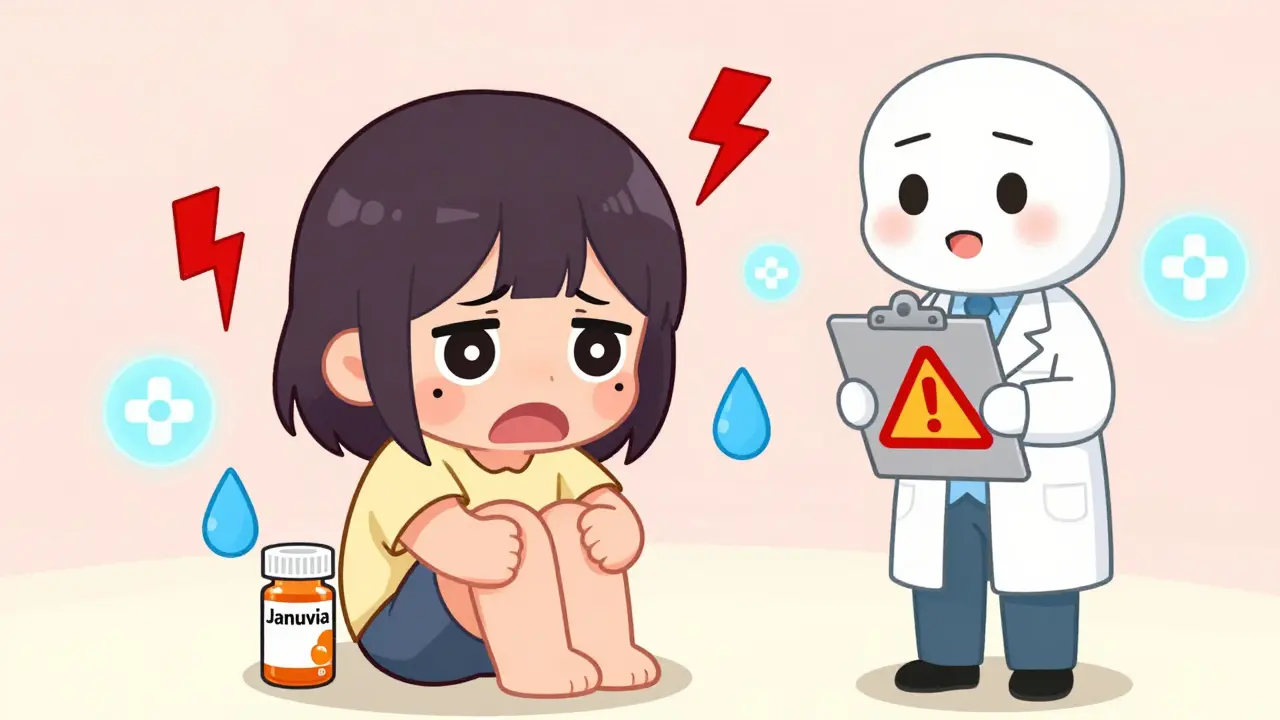
If you’re taking a DPP-4 inhibitor for type 2 diabetes and suddenly notice your knees, hips, or hands hurt more than usual, don’t brush it off as just aging or overuse. This could be something more serious - and it’s directly linked to your medication.
What Are DPP-4 Inhibitors?
DPP-4 inhibitors are oral diabetes drugs that help lower blood sugar by boosting natural hormones that tell your body to release insulin after meals. They’re often prescribed when metformin alone isn’t enough. Common brands include sitagliptin (Januvia), saxagliptin (Onglyza), linagliptin (Tradjenta), and alogliptin (Nesina). These medications have been used by millions since the first one, Januvia, hit the market in 2006.
They’re popular because they don’t usually cause weight gain or low blood sugar on their own. But there’s a hidden risk many patients - and even some doctors - overlook: severe joint pain.
The FDA Warning You Might Not Have Heard
In August 2015, the U.S. Food and Drug Administration (FDA) issued a safety alert that sent ripples through the diabetes community. After reviewing reports from over 7 years of use, they found 33 cases of severe, disabling joint pain tied to DPP-4 inhibitors. That number might sound small, but here’s what made it alarming: every single case involved pain so bad it disrupted daily life. Ten patients needed hospitalization. Some couldn’t walk.
Most cases started within a month of starting the drug - but not all. Some people developed pain after a year or more. And here’s the key clue: when patients stopped taking the medication, the pain usually went away within a month. When they restarted it, the pain came back - fast. In one documented case, a woman’s joint pain returned within 48 hours of accidentally taking her pill again.
Who’s at Risk?
It’s not clear why only some people get this reaction. But the FDA data shows sitagliptin was linked to the most cases (28 out of 33), followed by saxagliptin (5). That doesn’t mean the others are safe - 2 cases were tied to linagliptin, 1 to alogliptin, and 2 to vildagliptin. Five patients had pain with more than one DPP-4 inhibitor, suggesting the whole class may carry this risk.
Age doesn’t seem to be the main factor. Reports came from people in their 40s to 70s. What matters more is how long you’ve been on the drug and whether you’ve had unexplained joint pain that doesn’t respond to typical treatments like rest, ice, or NSAIDs.

How to Spot the Difference
Joint pain from DPP-4 inhibitors isn’t like arthritis from wear and tear. It’s often:
- Severe - enough to limit walking, climbing stairs, or holding objects
- Widespread - affects multiple joints, not just one knee or shoulder
- Sudden - comes on without injury or overuse
- Unresponsive - doesn’t improve with usual pain relievers
- Reversible - gets better fast after stopping the drug
Many patients are misdiagnosed first. Some are told they have rheumatoid arthritis, lupus, or fibromyalgia. Blood tests and imaging often come back normal. That’s because this isn’t an autoimmune or structural problem - it’s a drug reaction.
What the Research Says
Not every study agrees. One large analysis of 67 clinical trials found a small but statistically significant increase in general joint discomfort - about a 13% higher risk. But it didn’t capture the severe cases. Another study in Taiwan found no link, but researchers admitted their data might have missed serious cases because of how they coded symptoms.
Then there’s the 2021 study using real-world data from over 250 million Americans. It found DPP-4 inhibitor users were 24% more likely to seek medical care for joint pain than those on other diabetes drugs. That’s not a tiny risk - it’s real, measurable, and growing in evidence.
What You Should Do
Don’t stop your medication on your own. DPP-4 inhibitors help control blood sugar, and stopping suddenly can be dangerous. But if you’re experiencing new, unexplained, severe joint pain:
- Write down when it started, which joints hurt, and how bad it is on a scale of 1 to 10.
- Check if you started the drug within the last year - even if it was longer ago, don’t rule it out.
- Call your doctor. Say: “I think this joint pain might be linked to my diabetes pill.”
- Ask if you can temporarily stop the drug to see if the pain improves.
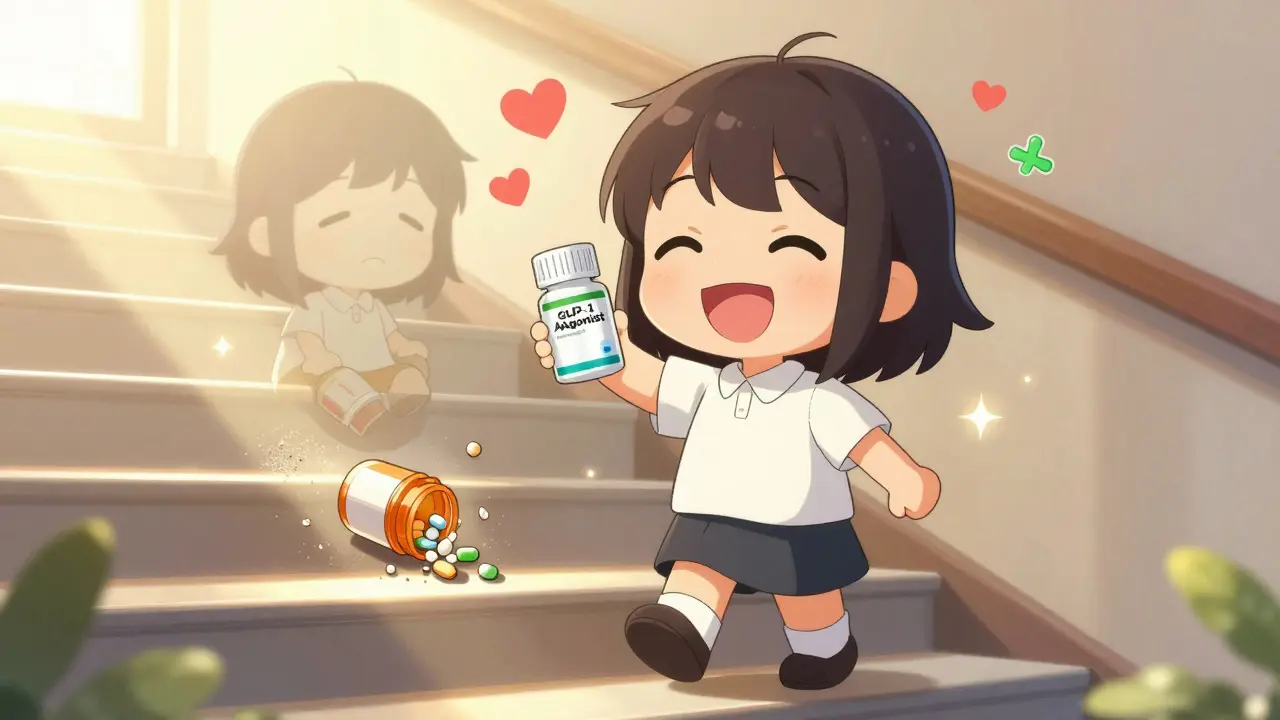
Your doctor may switch you to another class of diabetes meds - like SGLT2 inhibitors or GLP-1 agonists - which don’t carry this particular risk. Many patients report feeling like themselves again within days of switching.
Other Side Effects to Watch For
While joint pain is the most surprising side effect, DPP-4 inhibitors can also cause:
- Nausea or diarrhea
- Headache
- Nasal congestion
- Low blood sugar (especially if combined with sulfonylureas)
- Pancreatitis (rare but serious)
- Skin reactions like bullous pemphigoid - blisters or peeling skin that need emergency care
If you develop blisters, swelling in your face or throat, or sudden severe abdominal pain, seek help immediately. These are rare but life-threatening.
Why This Matters for Long-Term Care
Diabetes is a lifelong condition. You’re not just managing blood sugar - you’re protecting your heart, kidneys, nerves, and mobility. If joint pain keeps you from walking, exercising, or doing daily tasks, it undermines everything else you’re trying to do for your health.
That’s why recognizing this side effect isn’t just about avoiding discomfort - it’s about preserving your independence. Many patients say they didn’t realize how much the pain was limiting them until it disappeared after stopping the drug. One man in his 60s told his doctor, “I didn’t know I could still climb stairs until I stopped taking Januvia.”
The Bottom Line
DPP-4 inhibitors are still a good option for many people with type 2 diabetes. The benefits outweigh the risks for most. But that doesn’t mean you should ignore warning signs. Severe joint pain isn’t normal - even if your doctor says it’s “just aging.”
If you’ve been on one of these drugs and have unexplained joint pain, talk to your doctor. Keep a symptom log. Ask about alternatives. And remember: your pain matters. It’s not in your head. It’s not just arthritis. It could be your medication - and it can be fixed.
Chuck Dickson
January 18, 2026 AT 11:33Hey everyone, if you're dealing with joint pain on these meds, don't ignore it. I switched from Januvia to a GLP-1 after 8 months of stiff knees and honestly? Life changed. I started walking again, playing with my kids, even went hiking last month. It wasn't just "getting older"-it was the drug. Talk to your doc, keep a log, and don't let anyone tell you it's all in your head. Your mobility matters more than you think.
Naomi Keyes
January 18, 2026 AT 13:49Actually, the FDA's warning was issued in 2015-yes, 2015-and yet, most physicians still don't screen for this. Why? Because pharmaceutical reps don't emphasize it, and EHR systems don't flag it. Also, many patients assume joint pain is "just arthritis," especially if they're over 50. This is systemic medical negligence, not patient ignorance. You need to demand a medication review-don't wait for your doctor to catch up.
Dayanara Villafuerte
January 19, 2026 AT 04:51Same. Took Saxagliptin for 11 months. Knees felt like they were filled with gravel. Went to three doctors. One said "you're overweight." Another said "maybe fibromyalgia." 😒 I stopped it on my own after reading this thread. Pain gone in 10 days. 🙌 Now I'm on metformin + exercise. Best decision ever. Also, why do doctors act like we're dumb? We Google too, you know. 🤷♀️
Andrew Short
January 20, 2026 AT 21:36Wow. So now we're blaming Big Pharma for every ache and pain? People are getting older. Joints wear out. You take a drug for diabetes, you accept side effects. If you're too fragile to handle a little joint pain, maybe you shouldn't be on meds at all. This is why medicine is broken-people think they're entitled to zero discomfort. Grow up.
Andrew Qu
January 22, 2026 AT 10:35Andrew, I hear your frustration, but this isn't about being "fragile." This is about recognizing a pattern: pain starts after starting the drug, stops after stopping it, comes back when restarted. That's not aging-that's pharmacology. If you had a rash after a new soap, you wouldn't say "grow up," you'd stop using it. Same logic. This is science, not whining.
Andrew McLarren
January 22, 2026 AT 14:33As a physician with over two decades of clinical experience, I must emphasize that while the FDA's signal is legitimate, it remains relatively rare. The absolute risk increase is less than 0.5% in large cohorts. That said, when it occurs, the impact is profound. I now routinely ask all patients on DPP-4 inhibitors: "Have you noticed any new, widespread joint discomfort?"-not just knee pain, but hips, hands, even shoulders. Early recognition prevents prolonged suffering. We owe our patients that level of vigilance.
Robert Cassidy
January 24, 2026 AT 13:21They don't want you to know this. The FDA, the AMA, the drug companies-they all profit from keeping you dependent. Think about it: if everyone switched to metformin or lifestyle changes, how much money would they lose? This isn't a side effect-it's a cover-up. And now you're being told to "just ask your doctor," but your doctor works for them. Wake up. This is control. Not medicine.
kenneth pillet
January 25, 2026 AT 03:37christian Espinola
January 25, 2026 AT 13:29Let's be precise: the FDA's 2015 safety communication cited 33 cases-33. Not 33,000. Not 3,300. Thirty-three. That's 0.0003% of users. Meanwhile, the number of people who have avoided diabetic complications thanks to DPP-4 inhibitors? In the millions. Correlation ≠ causation. And anecdotal reports are not data. If you're going to claim a drug is dangerous, you need statistical power-not emotional testimonials. This post is dangerously misleading. You're scaring people into stopping life-saving medication over a statistical blip.