 by
by How Long Medications Actually Remain Effective After Expiration
12 Dec, 2025Most people toss out expired medications the moment the date on the bottle passes. You’ve probably done it yourself-dumping old antibiotics, painkillers, or allergy pills into the trash, convinced they’re useless or even dangerous. But what if you’ve been wrong? What if that bottle of ibuprofen from two years ago is still just as strong as the day you bought it?
Expiration Dates Aren’t What You Think
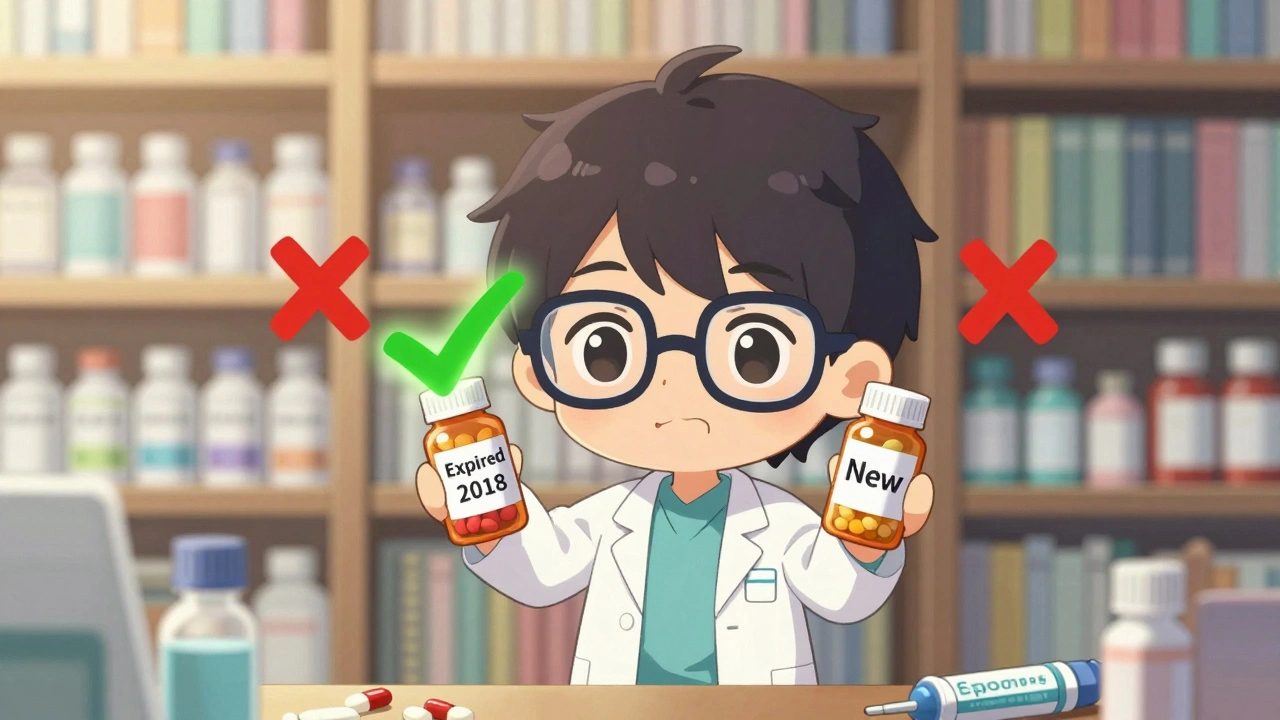
The date printed on your medicine bottle isn’t a magic cutoff point where the drug suddenly turns into poison. It’s a manufacturer’s guarantee-not a scientific deadline. The U.S. Food and Drug Administration (FDA) requires drugmakers to prove their medications are safe and effective up to that date, but they don’t have to test what happens after. Most expiration dates are set between 12 and 60 months after production, mostly for business and regulatory convenience, not because the drug stops working. A major 2012 study published in Archives of Internal Medicine tested 14 different prescription drugs that had expired 28 to 40 years earlier. These weren’t random samples-they were drugs stored in government stockpiles under ideal conditions. The results? Twelve of the 14 medications still had at least 90% of their original potency. Eight of them were still fully effective after 40 years. That’s not a fluke. It’s a pattern. The Department of Defense has been running a program called the Shelf-Life Extension Program (SLEP) since 1986. They’ve tested over 120 drugs. In 88% of cases, the drugs were safe and effective well past their labeled expiration dates. Some lasted more than 20 years longer. For every dollar spent testing these drugs, the government saved between $13 and $94 in replacement costs. That’s not just smart-it’s massive.Which Medications Still Work After Expiration?
Not all drugs are created equal. The form and chemical makeup matter a lot. Solid pills and capsules-like aspirin, ibuprofen, acetaminophen, codeine, or hydrocodone-tend to stay stable for years, even decades, if kept dry and cool. These are the ones you’re most likely to find still working after their expiration date. A 2006 study in the Journal of Pharmaceutical Sciences found that two-thirds of expired pharmaceuticals were still stable and safe to use. The FDA’s own testing, referenced in the same 2012 study, showed about 90% of drugs tested remained effective up to 15 years past their expiration date-under the right conditions. But here’s the catch: storage matters more than the date. If your pills have been sitting in a humid bathroom cabinet, exposed to sunlight and steam from your shower, they’re going to break down faster. Keep them in their original sealed container, in a cool, dry place like a bedroom drawer, and they’ll last much longer.Which Medications Should You Never Use After Expiration?
Some drugs degrade quickly, and using them after expiration isn’t just a waste of money-it’s risky. These are the ones you should never take past their labeled date:- Nitroglycerin-used for heart attacks. It breaks down fast, even in sealed bottles. An expired nitroglycerin tablet could fail to work when you need it most.
- Insulin-a life-saving drug for diabetics. Once expired, it can lose potency and cause dangerous blood sugar spikes or crashes.
- Liquid antibiotics-like amoxicillin suspension. Once mixed with water, they begin to degrade within days. Even if the bottle says it’s good for 14 days after mixing, that’s the limit. Don’t use it after that.
- Epinephrine auto-injectors (EpiPens)-critical for severe allergic reactions. Studies show they lose potency over time, even if they still look fine. A weak EpiPen could mean the difference between life and death.
- Tetracycline-an older antibiotic. When it degrades, it can become toxic to the kidneys.
- Mefloquine-an antimalarial. If it’s not potent enough, it won’t prevent malaria.
Why Do Manufacturers Set Such Short Expiration Dates?
You might wonder: if these drugs last so long, why don’t the companies just print a longer date? Simple: it’s not in their interest. Pharmaceutical companies don’t have to prove a drug works beyond a few years. The FDA doesn’t require it. So they set dates that are safe, conservative, and profitable. A five-year expiration date means you’ll likely need to buy a new bottle before your prescription runs out. If the expiration date were 15 years, you’d only need to refill every few years-or never. That’s bad for business. There’s also liability. If someone takes an expired drug and it doesn’t work, the company could be sued. So they play it safe. They don’t want to be responsible for a patient’s heart attack because their nitroglycerin didn’t work. So they put a short date on the bottle, even if the science says it’s fine. The truth? Expiration dates are more about legal protection than scientific truth.What About Pills in a Pharmacy Pill Bottle?
Here’s a common mistake: you take your pills from the original bottle and dump them into a plastic pharmacy container. That might be convenient for your pill organizer, but it’s bad for the drug. Original packaging is designed to protect the medication. It’s sealed, often with desiccants to absorb moisture, and made of materials that block light and air. Once you transfer pills to a plastic pillbox, you expose them to humidity, oxygen, and temperature changes. That accelerates degradation. A 2012 Stanford Medicine analysis found that medications moved from original containers into pharmacy canisters lost potency faster-sometimes dramatically. If you need to use a pill organizer, keep the original bottle as your primary storage. Only transfer a week’s worth at a time.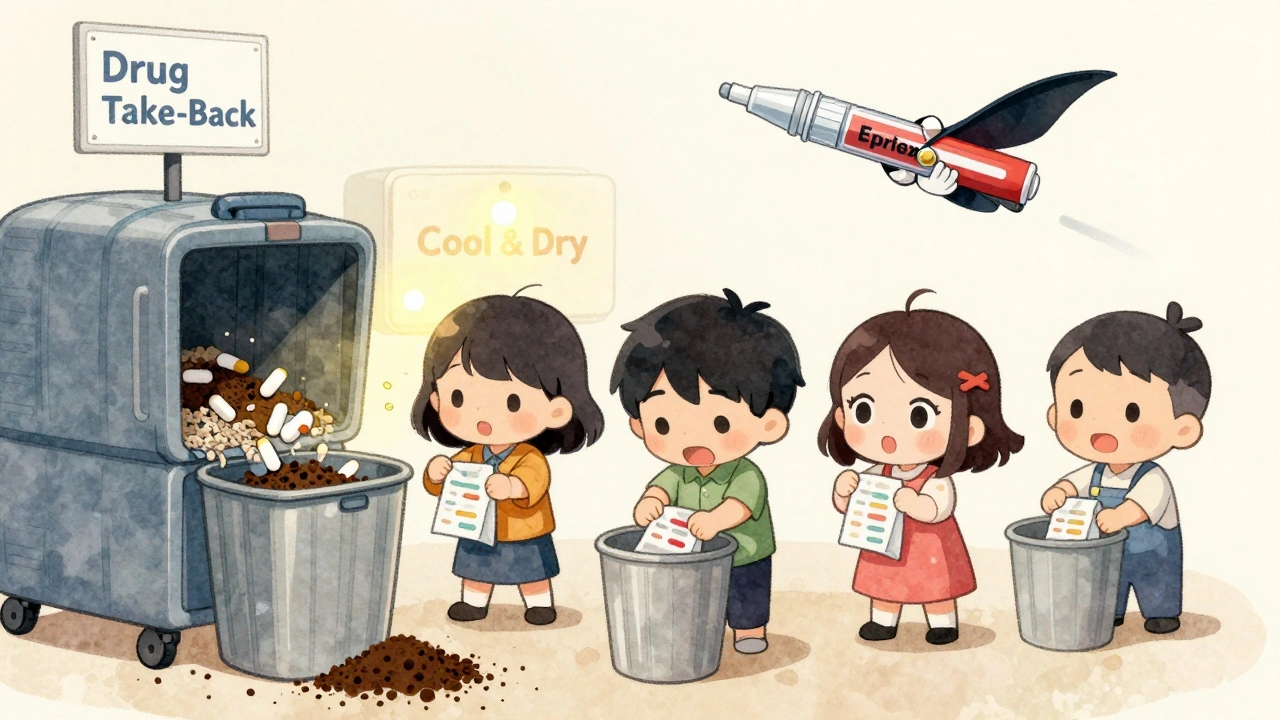
Is It Safe to Take Expired Medication?
For most solid medications-painkillers, antihistamines, blood pressure pills, antidepressants-if they’ve been stored properly and show no signs of damage (crumbling, discoloration, odd smell), they’re probably still safe and effective. But safety isn’t just about potency. It’s about risk. If you’re treating something serious-like high blood pressure, epilepsy, or heart disease-you can’t afford to take a chance. A 10% drop in potency might not matter for an occasional headache, but it could be dangerous for a chronic condition. The California Poison Control System says it best: their research doesn’t mean you should dig through your medicine cabinet for expired drugs. But it does mean you shouldn’t automatically throw them away either. If you’re unsure, ask your pharmacist. They can often tell you if a drug is likely still good based on its form, storage history, and how long it’s been expired. Many pharmacists have seen this before and can give you practical advice.What Should You Do With Expired Medications?
Don’t flush them. Don’t throw them in the trash where kids or pets might get to them. The best option? Take them to a drug take-back program. Many pharmacies and hospitals offer these. The DEA also runs National Prescription Drug Take Back Days. If no take-back program is available, mix the pills with something unappealing-coffee grounds, cat litter, dirt-and seal them in a container before tossing them. This reduces the chance of accidental ingestion or misuse. For high-risk drugs like opioids or controlled substances, some pharmacies offer secure disposal envelopes. Use them.What’s the Bottom Line?
Most medications don’t suddenly become useless on the expiration date. Many stay effective for years-sometimes decades-if stored properly. Solid pills like ibuprofen, aspirin, or antihistamines are usually fine. Liquid drugs, insulin, EpiPens, and nitroglycerin are not. The real issue isn’t science. It’s perception. We’ve been taught to fear expiration dates, but the data tells a different story. You’re not saving money by buying new bottles every year. You’re wasting it. That said, don’t become a hoarder of expired meds. Be smart. Know which drugs are safe, which aren’t, and how to store them. When in doubt, consult a pharmacist. Your health-and your wallet-will thank you.Are expired medications dangerous to take?
Most expired medications aren’t dangerous-they just might not work as well. The real risk comes from drugs like insulin, nitroglycerin, or liquid antibiotics, which can degrade into ineffective or even harmful forms. For most pills, like painkillers or allergy meds, the danger is low, but the effectiveness may be reduced. Always avoid drugs that look or smell strange.
Can I still use an expired EpiPen?
No. Epinephrine auto-injectors lose potency over time, even if they look fine. Studies show they may deliver less than the full dose after expiration, which could be life-threatening during a severe allergic reaction. Always replace your EpiPen before it expires.
How long do pills last after expiration?
Solid pills like ibuprofen, acetaminophen, or codeine can remain effective for years after expiration-sometimes over a decade-if stored in a cool, dry place in their original container. Liquid medications, creams, and reconstituted antibiotics usually expire much faster and shouldn’t be used past their date.
Why do expiration dates exist if drugs last longer?
Expiration dates are set by manufacturers to guarantee potency and safety up to that point. They’re not based on how long the drug actually lasts. The FDA doesn’t require testing beyond a few years, so companies choose dates that are conservative and profitable. Longer expiration dates would mean fewer repeat purchases.
Should I keep expired medication in case of emergencies?
For non-critical medications like ibuprofen or antihistamines, keeping a small supply past expiration may be reasonable if stored properly. But never rely on expired insulin, EpiPens, nitroglycerin, or antibiotics in an emergency. Always replace those on time. When in doubt, ask your pharmacist.
Deborah Andrich
December 13, 2025 AT 01:33My grandma kept her aspirin in a tin box in the closet for 12 years and still used it when her arthritis flared. Never had a problem. I’m not saying you should do the same, but the fear around expiration dates is way overblown.
Keasha Trawick
December 13, 2025 AT 03:58Let’s be real-the FDA doesn’t give a damn about your ibuprofen’s shelf life. They care about liability, profit margins, and making sure Big Pharma keeps cashing in. That 2012 DoD study? It’s buried under layers of corporate lobbying. 90% potency after 15 years? That’s not science-it’s a conspiracy the industry wants you to forget. And don’t get me started on how they design packaging to degrade faster once you open it. 😏
Tommy Watson
December 13, 2025 AT 16:19bro i had a bottle of tylenol from 2018 and i took 2 last week for my headache and it worked fine. why are we all so scared of this? also why do they even put expiration dates if they know it lasts longer? just sayin.
Sheldon Bird
December 15, 2025 AT 15:40Love this breakdown! 🙌 Seriously, I used to panic every time a med expired, but now I check the condition-no weird smell, no crumbling, no discoloration-and if it looks good, I’m good. Pharmacist told me once that 90% of pills are fine years past expiry. Just don’t be dumb with insulin or EpiPens. 💪
Karen Mccullouch
December 16, 2025 AT 10:18Oh so now we’re trusting the government’s stockpile of 40-year-old pills but not trusting the pharma companies? That’s rich. The real danger is people thinking they can self-diagnose with expired meds and then end up in the ER. This isn’t a survivalist blog-it’s medicine. Don’t be reckless.
Michael Gardner
December 17, 2025 AT 07:13Interesting. But let’s not forget that ‘potency’ isn’t the same as ‘safety.’ Just because a pill still has 90% of the active ingredient doesn’t mean the excipients didn’t degrade into something toxic. No one’s testing that. And if you’re taking something for a chronic condition, even 5% less could be catastrophic. This isn’t about saving money-it’s about avoiding lawsuits.
Willie Onst
December 18, 2025 AT 09:57Hey, I grew up in a household where nothing got thrown out-especially not medicine. My dad kept his blood pressure pills for 8 years. He’s 82 and still kicking. I’m not saying go full hoarder, but maybe we’ve been taught to fear the wrong thing. The real enemy? Waste. And greed. 🌱
Ronan Lansbury
December 19, 2025 AT 04:20Of course the DoD found 40-year-old drugs still working. They’re stored in climate-controlled bunkers with desiccants, vacuum-sealed, and monitored by engineers. Meanwhile, your bathroom cabinet is a humid sauna full of bacteria and steam. Don’t confuse military-grade storage with your life. This is a classic false equivalence. Also, who says the government isn’t running a PR campaign to reduce drug spending? 🤔
Jennifer Taylor
December 19, 2025 AT 10:00OMG I JUST REALIZED MY EPIPEN FROM 2020 IS STILL IN MY PURSE. I’M GOING TO THROW IT OUT RIGHT NOW BUT ALSO I’M KINDA ANGRY THAT THEY’RE LYING TO US ABOUT THIS. WHAT IF I HAD AN ALLERGIC REACTION AND IT FAILED BECAUSE I TRUSTED THE DATE? THIS IS A SCAM. I’M CALLING MY SENATOR. #EXPIRATIONDATEFRAUD
Shelby Ume
December 20, 2025 AT 17:16While the empirical data suggests extended stability for many pharmaceuticals, one must exercise prudent judgment. The degradation kinetics of active pharmaceutical ingredients are nonlinear and influenced by environmental factors such as relative humidity, photolytic exposure, and thermal stress. For non-critical, non-life-sustaining compounds, the risk-benefit ratio may be acceptable under controlled conditions. However, for biologics, injectables, and thermolabile agents, the margin of error is negligible. Consult a licensed pharmacist prior to utilization beyond labeled expiration.
Jade Hovet
December 22, 2025 AT 04:48ok but i keep my ibuprofen in my nightstand and it’s been 5 years?? and it still works 😭 i feel like i’m saving so much money. also my pharmacist said it’s fine as long as it doesn’t smell like old socks 🤷♀️✨ #medsareforever
nina nakamura
December 24, 2025 AT 02:34So you’re telling me we’re supposed to trust the same corporations that gave us opioids and Vioxx to be honest about shelf life? The FDA’s testing protocols are laughable. They test under perfect conditions and then sell you pills that degrade in your car during summer. This isn’t science. It’s corporate propaganda wrapped in a lab coat. You’re being manipulated to buy more. Wake up.
Rawlson King
December 25, 2025 AT 19:19People who think expired meds are fine are just one bad reaction away from becoming a cautionary tale. You think you’re saving money? You’re risking your life. And if you’re dumb enough to use expired insulin? You deserve what happens. Don’t be that person.
Constantine Vigderman
December 27, 2025 AT 17:47THIS CHANGED MY LIFE!!! 🚀 I’ve been tossing out meds like they’re trash and now I’m keeping my allergy pills from 2019-no weird smell, still white, still in the bottle. I’m gonna start a movement: #SaveYourMedicines. Also, if you’re reading this and you’ve got extra expired meds, DM me. I’ll take ‘em. We’re all in this together 💙💊