
 by
by How to Pack a Travel Medication Kit for Common Conditions
15 Apr, 2026Imagine landing in a beautiful seaside village in Italy or a bustling market in Thailand, only to be hit with a sudden bout of food poisoning or a nasty allergic reaction to a local insect. Suddenly, your dream vacation feels more like a search for the nearest pharmacy in a language you don't speak. You don't need to carry your entire medicine cabinet, but having a curated travel medication kit can be the difference between a minor hiccup and a trip-ending emergency.
The goal isn't to turn your suitcase into a mobile clinic. Instead, it's about preparedness. By packing for the most common travel ailments, you save yourself from expensive last-minute pharmacy runs and the stress of navigating foreign healthcare systems while feeling miserable. Whether you're heading to a tropical beach or a mountain trek, a bit of planning now prevents a lot of panic later.
The Essential Core: Medications for Every Trip
Regardless of where you're going, there are a few "must-haves" that address the most frequent travel mishaps. These items target pain, digestive issues, and skin irritations.
For pain and fever, Acetaminophen is a common analgesic and antipyretic used to reduce pain and fever. Alternatively, Ibuprofen is an anti-inflammatory option. Aim for at least 10 tablets of either to handle headaches or muscle soreness from long flights.
Stomach issues are perhaps the most common travel complaint. To manage sudden diarrhea, include Loperamide, which is the active ingredient in brands like Imodium. For more severe cases, your doctor might prescribe a 3-day course of an antibiotic like Ciprofloxacin. Don't forget Oral Rehydration Salts (ORS) to replace electrolytes lost during illness-these are absolute lifesavers in hot climates.
For allergies and skin reactions, keep a few 10mg tablets of Loratadine or Cetirizine on hand. Pair these with a small tube of 1% hydrocortisone cream to soothe itchy insect bites or mysterious rashes.
| Category | Recommended Medication/Item | Typical Quantity | Primary Use |
|---|---|---|---|
| Pain/Fever | Acetaminophen or Ibuprofen | 10-20 tablets | Headaches, fever, inflammation |
| Digestive | Loperamide & Antacids | 6-10 tablets | Diarrhea, indigestion |
| Hydration | WHO-formulated ORS packets | 5 packets | Dehydration from flu/heat |
| Allergies | Loratadine or Cetirizine | 7-10 tablets | Hay fever, hives, itchiness |
| Skin Care | Hydrocortisone 1% cream | 15g tube | Insect bites, rashes |
Wound Care and First Aid Basics
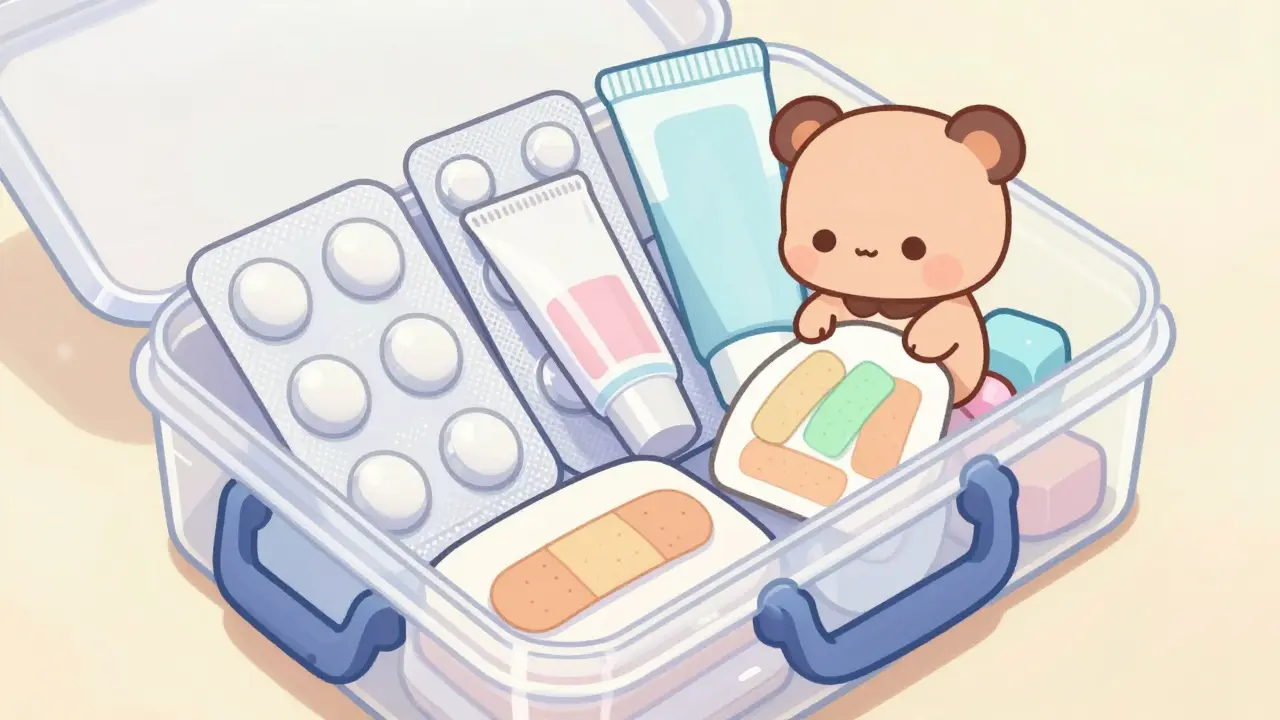
Cuts and scrapes happen, and in humid or dusty environments, they can get infected quickly. Your kit needs more than just a few band-aids. Start with a variety of adhesive bandages in different sizes, a few 4x4 inch gauze pads, and a roll of medical tape to keep everything secure.
To keep wounds clean, pack an antiseptic cleaner like chlorhexidine or povidone-iodine. Following that, apply an antibacterial ointment such as Bacitracin to protect the skin and speed up healing. If you're planning on doing a lot of hiking, add blister pads to your list-your feet will thank you after a ten-mile trek through a national park.
Tailoring Your Kit to Your Destination
A trip to the Swiss Alps requires different supplies than a weekend in Tokyo. You should customize your kit based on the environment and activities you'll be engaging in.
- Tropical or Rural Areas: If you're visiting places with questionable water quality, bring water purification tablets. Also, pack a high-concentration DEET-based insect repellent (around 20-30%) to ward off mosquitoes and ticks.
- High Altitude: If you're heading to the mountains, talk to your doctor about Acetazolamide to prevent altitude sickness.
- Hot Climates: Increase your supply of electrolyte packets and soothing aloe vera for sunburns.
- Camping/Hiking: Prioritize tweezers for ticks or splinters and extra moleskin for blisters.
Managing Prescription Medications and Chronic Conditions
If you take daily medication, the stakes are higher. You can't just find a generic version of a specialized prescription at a corner store in a foreign city. A good rule of thumb is to pack twice as much medication as you think you'll need. This covers you if your flight is delayed or if you lose part of your luggage.
For those managing Diabetes, it is critical to carry a doctor's letter explaining the need for needles and syringes. Similarly, if you use insulin, remember that it can degrade if it gets too hot (above 30°C/86°F), so invest in a small insulated travel pouch.
To avoid legal headaches at customs, keep your prescriptions in their original packaging. It's also smart to carry a printed list of your medications using their generic names. Trade names change from country to country, but the chemical name remains the same, making it much easier for a local doctor to help you if you run out.
Organization and Legal Safety Tips
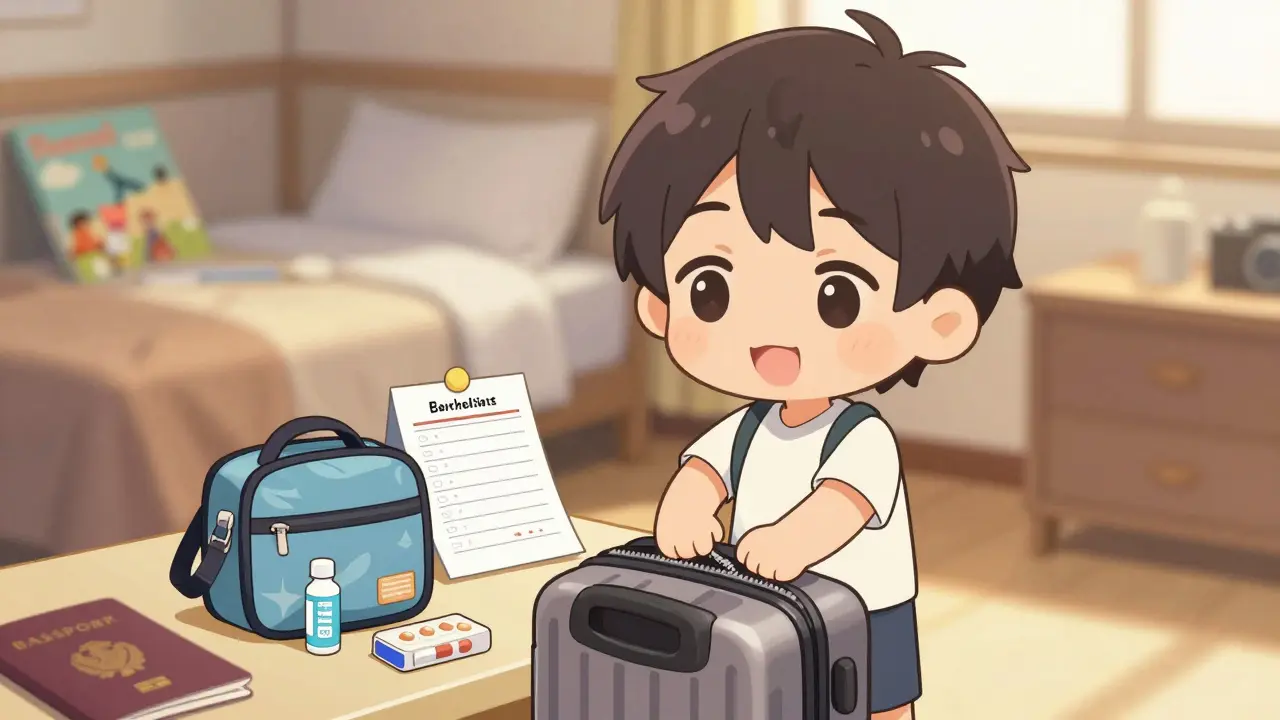
How you pack is just as important as what you pack. Use a waterproof, squash-proof clear plastic box. This keeps everything organized and prevents your creams from exploding under pressure in your suitcase. Label the box clearly so your travel companion can find it in an emergency.
Be mindful of where you store your gear. Some items, like scissors or large tweezers, might be flagged by security if they're in your carry-on; put those in your checked luggage. Conversely, always keep a small "emergency stash" of your essential prescriptions in your hand luggage in case your suitcase takes a detour to another city.
Finally, check the laws of your destination. Some countries are incredibly strict. For example, Japan prohibits certain over-the-counter cold medicines containing pseudoephedrine. A quick check with the local embassy or consulate can prevent a stressful encounter at the border.
Should I take all my medications in my carry-on or checked bag?
The best strategy is to split them. Carry the majority of your essential prescriptions in your hand luggage to ensure you have them if your checked bag is lost or delayed. Put bulkier, non-essential items or tools (like scissors) in your checked luggage to comply with airline security rules.
How do I handle prescriptions in a foreign country?
Always keep medications in their original containers. Carry a copy of the prescription and a letter from your doctor stating the medication is for your personal use. Use generic names for the drugs, as brand names differ globally.
What if I'm traveling with an infant?
Standard adult medications are not safe for children under two. You must pack an infant-specific kit with age-appropriate dosages determined by your pediatrician. This usually includes infant acetaminophen and a nasal aspirator.
How much extra medication should I pack?
It is generally recommended to pack twice the amount of medication you expect to need for the duration of your trip. This provides a safety net for unexpected delays or lost luggage.
Are there any medications that are illegal to bring into certain countries?
Yes. For example, some common cold medications containing pseudoephedrine are banned in Japan. Always check with the embassy or consulate of your destination country before traveling with strong painkillers or specialized meds.
Next Steps for Your Trip
Before you zip up your bag, schedule a quick visit with your primary care provider. This is the perfect time to ensure your vaccinations are up to date and to get the necessary prescriptions for those destination-specific meds like altitude or malaria prophylaxis.
Once your kit is packed, create a "contact card" to keep in your wallet. Include the phone numbers and addresses of your doctor, a family member, and the nearest embassy in your destination. If you're traveling with a group, make sure everyone knows where the medical kit is stored so there's no frantic searching during a crisis.