 by
by Insurance formulary tiers: understanding Tier 1, 2, 3, and non-formulary coverage explained
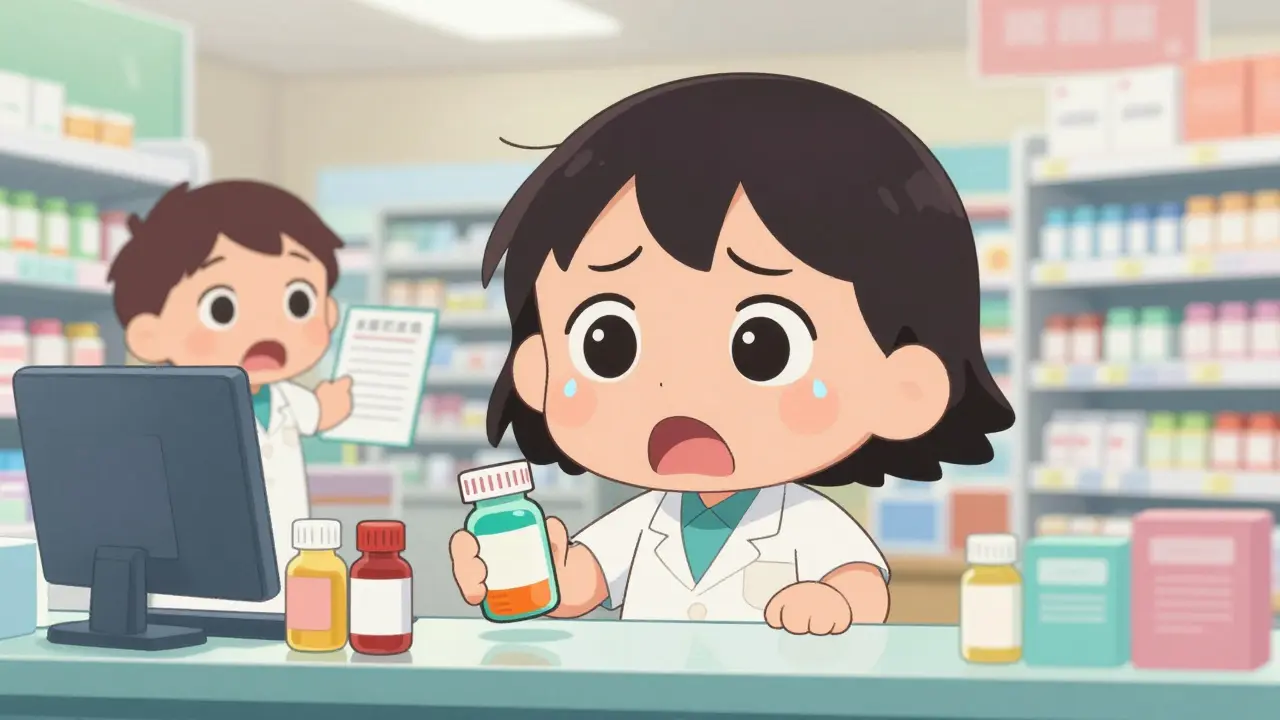
27 Mar, 2026Imagine walking to the counter with your prescription, ready to pay your $10 copay, only to hear the cashier say, "Actually, this is a Tier 3 drug. That's $120." It happens more often than you think. Understanding your insurance formulary tiers isn't just paperwork; it's the key to keeping your medication affordable. Many people see their drug coverage as a black box. They trust their doctor to write the right script, assuming insurance handles the rest. But the reality involves a complex system designed to manage costs.
This guide cuts through the jargon. We will break down exactly what Tiers 1, 2, and 3 mean for your wallet, why some drugs sit in the "non-formulary" limbo, and how you can fight back if the pricing doesn't make sense. As of 2026, regulations like the Inflation Reduction Act are starting to shift the landscape, making it crucial to stay updated on how these rules affect your specific plan.
What is a Prescription Drug Formulary?
At its core, a formulary is simply a list. It's the catalog of medications your health insurance plan agrees to cover. Think of it like a menu at a restaurant. You can order anything you want, but you can only get what's on the menu without paying extra. Your insurance company builds this list in collaboration with a Pharmacy Benefit Manager (PBM), such as Express Scripts or CVS Caremark. These organizations negotiate prices with drug manufacturers and decide which drugs belong in which group.
The system wasn't always this complicated. In the 1980s, plans used simple two-tier systems separating generics from brand names. By the early 2000s, the industry moved toward more granular multi-tier models to better control spending. Today, nearly every Medicare Part D plan and almost all commercial health plans use a tiered structure. The goal is predictable costs for you and lower overall spending for the insurer.
Breaking Down Tier 1, 2, and 3
Most plans organize their lists into three to five levels. Each level dictates how much you pay out of pocket. Here is how the typical structure works:
| Formulary Tier | Drug Type | Average Copayment (Commercial) | Medicare Part D Label |
|---|---|---|---|
| Tier 1 | Preferred Generics | $0 - $15 | Lowest Copayment |
| Tier 2 | Preferred Brands | $20 - $40 | Medium Copayment |
| Tier 3 | Non-Preferred Brands | $50 - $100+ | Higher Copayment |
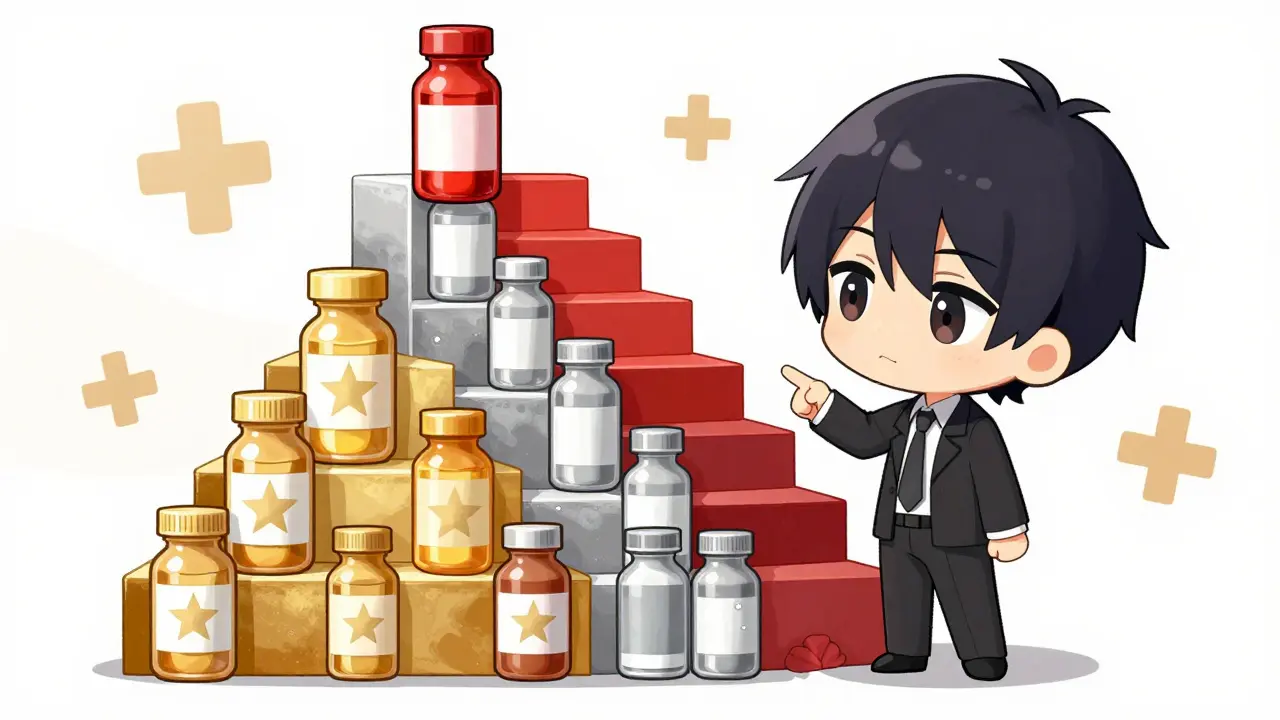
Tier 1 is the gold standard. These are usually preferred generic medications. They have lost patent protection, so competition drives the price down. In many commercial plans, a Tier 1 copay might range from $0 to $15 for a 30-day supply. According to Centers for Medicare & Medicaid Services (CMS) data, beneficiaries in Tier 1 paid an average of $1.27 per generic prescription recently. This makes them the most accessible options financially.
When a drug lands in Tier 2, it typically means it is a brand-name medication that the plan has negotiated a discount for. These are "preferred" brands. The cost-sharing bumps up to a medium level, often averaging between $20 and $40. This tier signals to patients that while the drug is covered, there is a cheaper generic alternative available elsewhere on the list.
Tier 3 is where things get expensive. This tier holds non-preferred brand-name drugs. There is usually no rebate deal or contract with the manufacturer, so the plan charges you more to encourage switching to Tier 2 alternatives. Copays here average $50 to $100. If you rely on a daily medication placed here, your monthly budget takes a significant hit.
The Hidden Costs: Tier 4 and 5
While Tiers 1-3 cover most common needs, larger plans often extend to Tier 4 and Tier 5. These are reserved for Specialty Medications. These are powerful drugs used for complex conditions like cancer, rheumatoid arthritis, or multiple sclerosis. Instead of a flat fee, you usually pay coinsurance-a percentage of the drug's cost.
If a specialty drug costs $5,000 a month and your coinsurance is 30%, that's a $1,500 bill before hitting the deductible cap. Humana's documentation notes that some plans require 34% to 50% coinsurance for Tier 5 drugs. This complexity explains why 61% of patients struggle to predict their actual out-of-pocket costs before filling a prescription. The math gets harder when percentages replace fixed dollars.
Understanding Non-Formulary Status
You might ask, "What if my drug isn't on the list at all?" This is called being non-formulary. It means the plan does not cover the medication. Usually, you would have to pay the full retail price out of pocket. Some older or very specialized drugs end up here because no agreement exists between the insurer and the manufacturer.
However, being non-formulary doesn't always mean no hope. Medicare Part D plans are required to have processes for exceptions. If your doctor proves that the listed alternatives won't work for your specific medical condition, the plan must reconsider coverage. This requires navigating a formal appeal process, which takes time but can save you thousands.
How Tier Placement Happens
You might wonder why one drug is Tier 1 and another is Tier 3. It isn't random. PBMs analyze therapeutic value, cost-effectiveness, and availability of generics. They also look at rebates from pharmaceutical companies. If Company A pays a bigger rebate to the PBM than Company B for a similar drug, Company A's product might get the better Tier placement.
This creates a paradox. Sometimes, a brand-name drug is in a lower tier than a cheaper generic because of secret financial agreements. Transparency advocates note that only about one-third of health plans disclose exactly how they determine tier placement beyond basic classifications. It adds a layer of frustration for consumers trying to navigate the system.
Strategies for Managing Tier Costs
Don't let the tiers dictate your treatment. Here are practical steps to take control:
- Check Before You Fill: Always verify the status of a new prescription before your first fill. Most insurers have online portals or apps where you can type the drug name and see the tier.
- Ask About Alternatives: Tell your prescriber about the cost barriers. Ask if a Tier 1 or Tier 2 alternative exists that treats the same condition effectively.
- File for Exceptions: If you are stuck in a higher tier due to medical necessity, ask your pharmacist or provider to submit a request. Documentation takes an average of 7.2 business days to process according to advocacy groups.
- Review Quarterly Updates: Formularies change four times a year. A drug that was Tier 2 last quarter could jump to Tier 3 next week. Stay alert to these notices.
The 2024 Medicare Part D redesign brought new relief, capping out-of-pocket costs for insulin at $35 regardless of tier. More broadly, the Inflation Reduction Act continues to influence how these tiers function, potentially limiting high costs for senior citizens. Even with these changes, understanding your specific plan remains vital.
Can my medication tier change during the year?
Yes, plans can update their formularies quarterly. While they must give notice for negative changes, it is possible for a drug to move to a higher cost tier mid-year. Check your annual summary of benefits regularly to stay ahead.
What is the difference between a copay and coinsurance?
A copay is a fixed fee (like $20) you pay per prescription. Coinsurance is a percentage of the total drug cost. Tiers 1-3 usually use copays, while specialty Tiers 4-5 often use coinsurance.
Why are some drugs non-formulary?
Drugs may be non-formulary if they are too expensive, lack generic alternatives, or the insurer hasn't negotiated a price. You can often still get coverage by filing a medical exception appeal.
How do I find my plan's formulary?
Your formulary is usually available on your insurer's website under "Member Resources" or "Prescriptions." Look for the most recent PDF document labeled "2026 Formulary" or "Drug List."
Does Medicare have different tier rules?
Yes, Medicare Part D plans must follow CMS mandates requiring specific tier structures and coverage for at least two drugs per therapeutic class to ensure competition.
Moving Forward with Confidence
Navigating insurance formularies requires patience and proactive communication. You don't need to be a healthcare expert to manage your costs effectively. Start by knowing your own plan's tier definitions today. Small actions, like calling your provider about a switch or checking the app before a refill, can prevent large bills later. With the right information, you turn the complex tiered system into a manageable tool rather than a barrier to your health.
Sabrina Herciu
March 27, 2026 AT 15:03This breakdown of formulary structures highlights a critical gap in patient education! Many beneficiaries assume the pharmacy handles the billing without checking the specific tier placement beforehand. I have seen cases where a simple switch to a preferred generic saved hundreds annually for families! It is essential to verify your drug list before the coverage period begins officially. Plans update these documents quarterly and sometimes mid-year without obvious warning signs. Patients should bookmark the portal URL to save time during stressful periods. Navigating the appeal process requires specific documentation from the prescribing physician. Medical necessity letters must be precise and aligned with current clinical guidelines. Insurance providers look for failure trials on lower cost alternatives first. Understanding coinsurance versus copayment math prevents sticker shock at the counter.
kendra 0712
March 29, 2026 AT 12:51This is exactly what I needed to hear today!!!
Monique Louise Hill
March 30, 2026 AT 00:48This situation is absolutely unacceptable for so many families out there. 😡 We live in a time where profit matters more than basic human rights. 😠 Pharmaceutical companies manipulate these tiers to squeeze every penny possible. 🛑 Your health should never depend on which tier they decide to place a drug in today. 😭 It creates a hierarchy of who deserves survival based on financial status alone. 💸 Many people simply cannot afford the jump from Tier 2 to Tier 3 easily. 📉 This forces patients to skip doses when money runs dry at home. 🏥 We ignore this systemic corruption until it is too late to save them. ⚠️ Every single person needs access to medication that saves their life. ❤️ The corporations behind this design do not care about your pain levels. 💊 They prioritize shareholder returns above public safety standards constantly. 🏢 You must read the fine print before you commit to any new plan ever. 📝 Do not trust that the cheapest option on paper stays cheap forever. 🕵️♀️ Check the formulary updates every single quarter without fail. 🗓️ Advocacy groups exist because regular citizens cannot navigate this maze safely. 🛡️ Silence is complicity when we allow prices to rise unchecked. 🎙️ Education is the only weapon we have left to fight this battle. 📖 Together we might force a change in how these systems operate soon. 🤝
Rohan Kumar
March 30, 2026 AT 21:03Oh please, let us believe the system works as intended now. 🙄 The whole PBM model is designed to obscure the actual rebates given by manufacturers. 🤫 They play both sides perfectly to maximize their own margin on the deal. 🕵️♂️ Everyone knows the secret deals favor the brand name drugs regardless of cost. 🤷♂️
Eva Maes
March 31, 2026 AT 08:36The underlying mechanics of rebate negotiations are incredibly complex and opaque for average members. Commercial plans often utilize therapeutic class grouping to restrict competition artificially. A drug with a higher wholesale acquisition cost might sit in a lower tier due to volume guarantees. These financial contracts remain hidden from public view intentionally by the industry stakeholders. Utilizing a specialty pharmacy network further fragments the pricing landscape significantly. Members must request prior authorization codes for almost any high-cost intervention. The administrative burden falls squarely on the provider staff rather than the payer. Without a robust digital integration, processing delays extend approval timelines indefinitely. It is advisable to maintain a log of all correspondence regarding exception requests meticulously. Transparency reports released annually offer limited insight into individual plan methodologies.
Sophie Hallam
April 1, 2026 AT 23:56I appreciate the detailed perspective you shared on the negotiation mechanics. It is vital to recognize the layers involved in reaching a final covered status. We must advocate for clearer communication channels between the pharmacy benefit managers and patients. Everyone deserves to understand the rationale behind these tier placements eventually. Staying informed helps mitigate the frustration that comes with unexpected billing errors.
Philip Wynkoop
April 2, 2026 AT 01:35Tiers 1 2 3 make sense generally but the specialty ones are wild 😬 Just checked my app and saw a big jump in costs lately :/ Got to call my doctor tomorrow :)
Poppy Jackson
April 2, 2026 AT 10:02The stakes feel impossibly high when you open that bill and see those digits staring back at you. 😱 It is terrifying to think our survival depends on such arbitrary categorizations of medicine. We scream for justice but the machine grinds forward indifferent to our cries. 💔 Hope remains our only defense against crushing financial ruin. 💪
Sarah Klingenberg
April 2, 2026 AT 22:36Just wanted to remind everyone to breathe and take it one step at a time :). Sometimes calling the insurer directly can uncover options you missed online 📞. Don't stress too much if things look confusing initially 🙂. There are resources available to help guide you through the paperwork 📄. You got this! ✨
Austin Oguche
April 4, 2026 AT 09:10Navigating these systems across different states presents unique challenges for many residents. Cultural approaches to healthcare planning vary significantly depending on regional availability. It is important to review your summary of benefits with a calm mindset. Professional guidance can clarify ambiguities found in the dense policy documents effectively.
Shawn Sauve
April 6, 2026 AT 02:55Thanks for sharing all this useful info with the group 👍. It helps to have clear examples of how the tiers actually work in practice 🧐. Stay safe and healthy everyone 🩺.