 by
by Monitoring Your Health After Switching to Generics: What to Watch For
4 Dec, 2025Switching from a brand-name drug to a generic version is one of the most common changes in your medication routine - and it’s usually completely safe. In fact, generic medications make up over 90% of all prescriptions filled in the U.S. today. They’re cheaper, just as effective, and held to the same strict standards as their brand-name counterparts. But here’s the thing: even though generics are scientifically equivalent, some people notice changes after making the switch. Not because the drug doesn’t work - but because their body reacts differently to small differences in inactive ingredients, manufacturing processes, or even pill shape and size.
Why You Might Notice a Difference
The active ingredient in a generic drug must match the brand-name version exactly - same chemical structure, same strength, same way it’s absorbed. That’s required by the FDA. But the fillers, dyes, binders, and coatings? Those can be different. For most people, that doesn’t matter. But for those taking medications with a narrow therapeutic index, even tiny changes in how the drug is absorbed can lead to noticeable effects.
Drugs like warfarin, levothyroxine, lamotrigine, and bupropion fall into this category. These aren’t just any pills. They need to stay within a very tight range in your bloodstream. Too little, and the condition isn’t controlled. Too much, and you risk serious side effects. That’s why switching generics for these drugs requires extra attention.
Take levothyroxine, for example. It’s used to treat hypothyroidism. A 2022 FDA report found that 12% of patients who switched generics reported changes in energy levels, weight, or heart rate - even though blood tests showed thyroid hormone levels were still in range. Why? Because the body is super sensitive to small shifts in thyroid hormone. One patient in Brisbane told me she felt fatigued and gained five pounds after switching brands. Her doctor didn’t change her dose - just switched her back to the original generic. Within two weeks, she felt like herself again.
What to Monitor After the Switch
You don’t need to panic. But you do need to be aware. Here’s what to track in the first 30 to 90 days after switching to a generic:
- Symptoms: Are your original symptoms returning? For example, if you’re on an anti-seizure drug like lamotrigine, are you having more frequent or stronger seizures? If you’re on an antidepressant like bupropion, are your mood swings worse?
- Side effects: New headaches, dizziness, nausea, or skin rashes? These could be from a new filler or coating in the generic version.
- Biomarkers: If you’re on blood thinners, check INR levels at 7 and 30 days. If you have diabetes, track fasting blood sugar and HbA1c at 4 and 8 weeks. If you have high blood pressure, log your readings daily for two weeks.
- Medication timing: Did the pill look different? Was it a different color, shape, or size? Write it down. Even small changes can affect absorption.
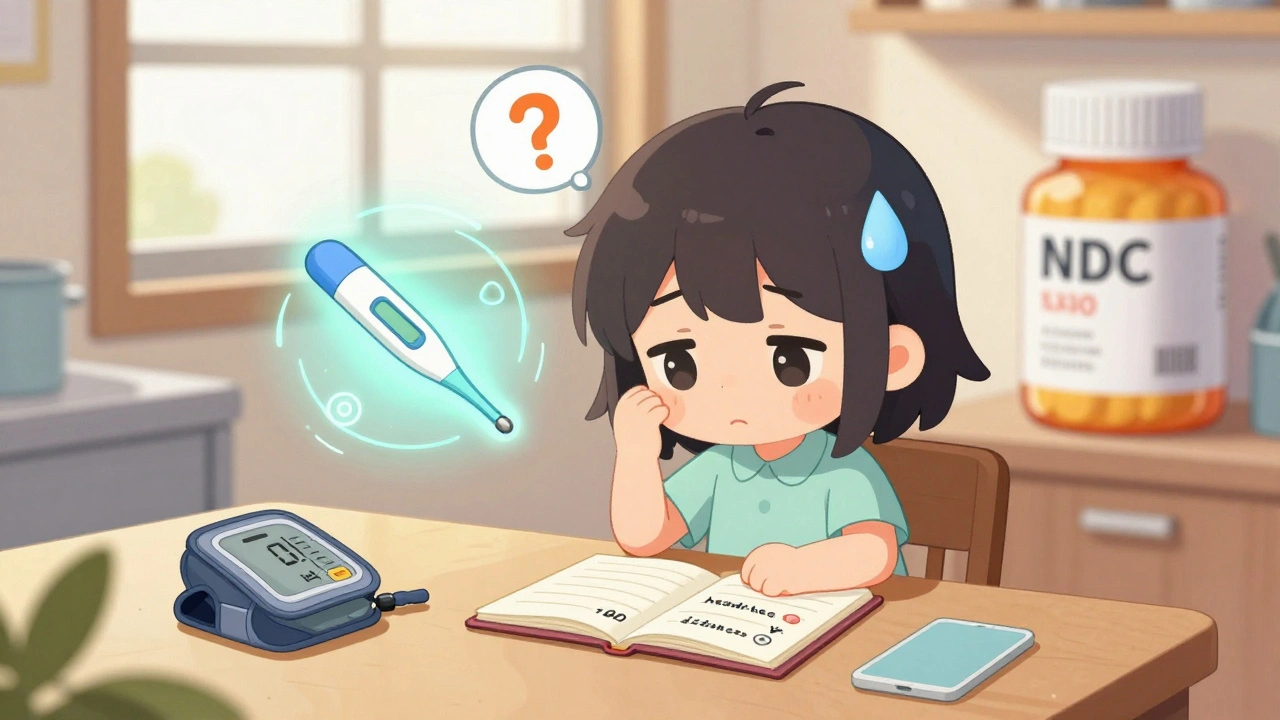
Keep a simple log. Just a notebook or a note on your phone. Note the date you switched, the name of the generic (check the label), and how you felt each day. This isn’t overkill - it’s your best tool if you need to talk to your doctor.
When to Call Your Doctor
You don’t need to rush to the clinic at the first sign of a change. But if you notice any of these, call your doctor within 24-48 hours:
- Worsening of your condition (e.g., more seizures, higher blood pressure, worsening depression)
- New or severe side effects like chest pain, rapid heartbeat, confusion, or rash
- Any change that makes you feel unsafe or unable to do daily tasks
For drugs like warfarin or levothyroxine, your doctor may want to schedule a blood test within 7-14 days after the switch. Don’t wait for your next routine appointment. Early detection can prevent complications.
How to Spot Your Generic - and Avoid Confusion
Not all generics are the same. Even if two pills have the same active ingredient, they can come from different manufacturers. The FDA assigns each drug a National Drug Code (NDC) - a unique 10-digit number that identifies the manufacturer, product, and package size.
Every time you pick up your prescription, check the label. If the NDC number changed from your last refill, that’s a new generic version. It’s not a mistake - it’s just how the supply chain works. But if you’ve had a bad reaction before, ask your pharmacist: “Is this the same manufacturer as last time?”
If you’re on a stable regimen and you’ve done well with one generic brand, you can ask your doctor to write “Dispense as written” or “Do not substitute” on your prescription. This legally prevents the pharmacy from switching you without your consent.
What the Data Really Shows
Let’s cut through the noise. The FDA reviewed over 1.2 million adverse event reports in 2022. Only 15% mentioned generics - and of those, less than 1% were confirmed as true therapeutic failures. That means for every 100 people who switch, 99 will have no issues.
Studies back this up. A 2021 JAMA Internal Medicine analysis of 37 clinical trials found no difference in effectiveness between brand-name and generic drugs overall. But the same study flagged a small group - patients on narrow therapeutic index drugs - where individual variation was more common.
On PatientsLikeMe, a platform with 700,000 users, 92.7% of people who switched to generics reported the same level of symptom control. Only 1.2% needed medical help because of the switch.
So yes, it’s safe. But safety doesn’t mean “no risk.” It means “risk is low, and you can manage it.”
What to Do If Something Feels Off
If you think your generic isn’t working right, don’t just stop taking it. Don’t assume it’s “all in your head.” Don’t wait until your next checkup.
Do this:
- Check your medication log. When did the change start? What symptoms appeared?
- Call your pharmacy. Ask them to confirm the manufacturer and NDC number.
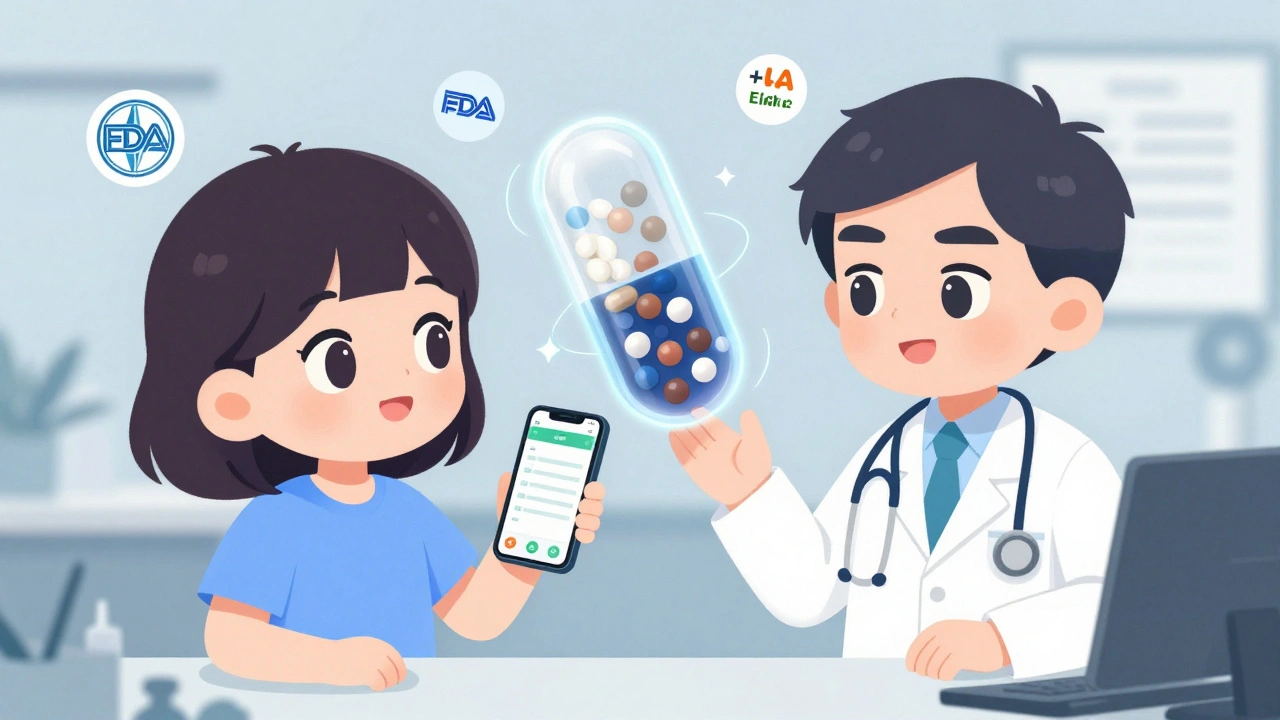
- Call your doctor. Bring your log. Say: “I switched to a generic and noticed [specific change]. Can we check my levels or switch back?”
- If your doctor agrees it’s a problem, they can request the original brand or a different generic.
- Report it to the FDA via MedWatch. Even if you’re not sure, your report helps them spot patterns. You can file online or call 1-800-FDA-1088.
The FDA reviews every report. They’re not just collecting complaints - they’re looking for trends. If five people in Brisbane report the same issue with the same generic batch, they’ll investigate. Your voice matters.
Bottom Line: Stay Aware, Not Afraid
Switching to generics saves money, reduces waste, and keeps healthcare affordable. For most people, it’s seamless. But for a small number, it’s not. That’s why monitoring isn’t about distrust - it’s about awareness.
You’re not being paranoid. You’re being smart.
Track your symptoms. Know your NDC. Talk to your doctor early. Report anything unusual. And remember - if something doesn’t feel right, it’s okay to ask for a change. Your health isn’t a cost-cutting experiment. It’s your life. And you deserve to feel like yourself - no matter what’s on the pill bottle.
Stephanie Bodde
December 4, 2025 AT 17:41William Chin
December 6, 2025 AT 01:48Ada Maklagina
December 8, 2025 AT 00:54Michael Dioso
December 8, 2025 AT 09:33sean whitfield
December 9, 2025 AT 03:19Lynette Myles
December 10, 2025 AT 11:21Annie Grajewski
December 11, 2025 AT 09:21Jimmy Jude
December 12, 2025 AT 04:11Mark Ziegenbein
December 12, 2025 AT 15:57