 by
by Packing Medications for Air Travel: Best Practices for Safety
1 Dec, 2025Why Packing Medications Correctly for Air Travel Matters
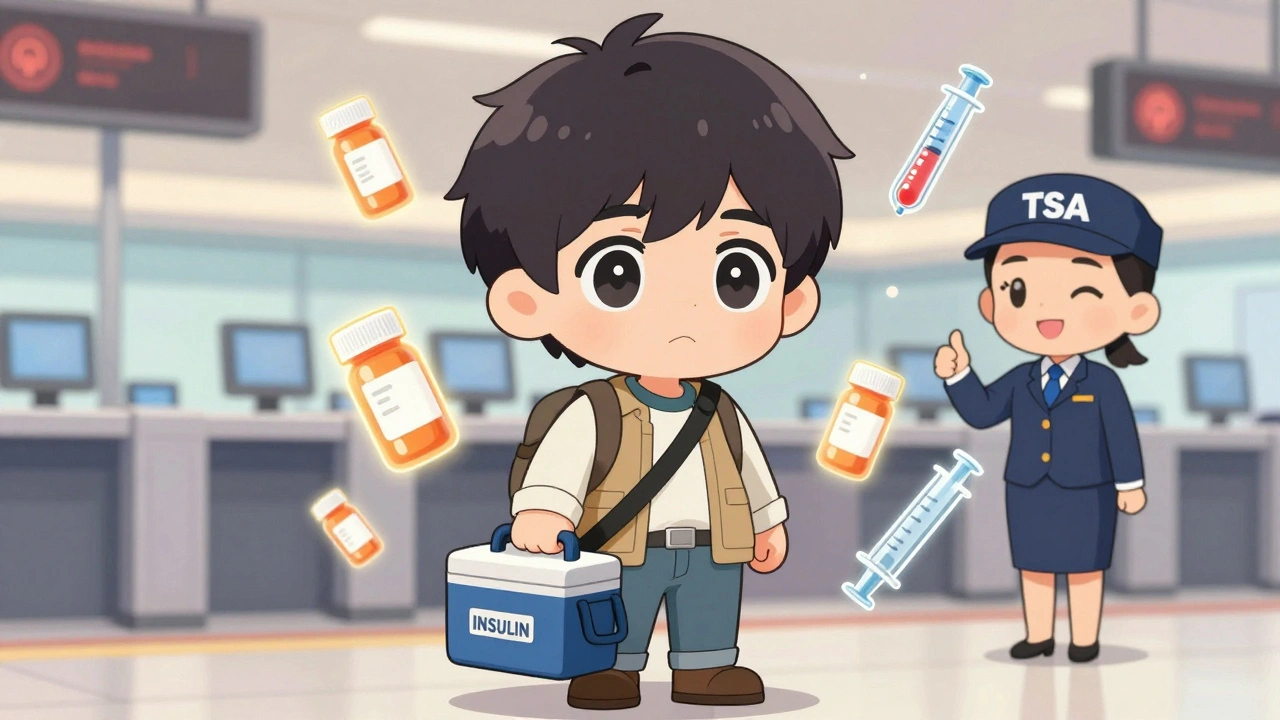
Imagine this: you land in Tokyo after a 14-hour flight, exhausted, ready to check into your hotel. You reach for your insulin pen-only to find it’s cloudy, thick, unusable. Or worse, TSA holds your entire bag because your ADHD medication wasn’t in the original bottle. These aren’t rare stories. They happen to thousands of travelers every year. The truth is, flying with medications isn’t just about convenience-it’s about safety, effectiveness, and sometimes, survival.
Medications aren’t like socks or toothpaste. They’re sensitive. Heat, cold, pressure changes, and even X-rays can damage them. And if you’re caught without proper documentation, you risk delays, confiscation, or worse-missing doses that could trigger a medical emergency. According to the American Society of Health-System Pharmacists, 15% of U.S. adults take medications that need special handling during travel. That’s millions of people. You could be one of them.
What the TSA Actually Requires
The Transportation Security Administration (TSA) doesn’t make arbitrary rules. Their guidelines exist because people have lost life-saving drugs in checked luggage, or had medications degrade mid-flight. Here’s what you actually need to know, straight from the 2022 Civil Aviation Security Guidelines.
- All medications must be in original pharmacy containers. That means the bottle with the prescription label showing your name, the drug name, dosage, and prescribing doctor. No pill organizers, no ziplock bags, no re-packaged blister packs-even if they’re labeled by your pharmacist. One Reddit user, u/TravelingWithRA, learned this the hard way when their Humira was rejected at LAX because they’d moved doses into a weekly organizer. The TSA won’t accept it.
- Liquids over 3.4 oz (100 mL) are allowed. Yes, even if you’re carrying 120 mL of liquid ADHD medication or 500 mL of insulin. The TSA doesn’t cap the amount for medically necessary liquids. But you must declare them at the security checkpoint. Don’t wait for them to ask. Say it upfront: “I have liquid medication.”
- Injectables and sharps must be with the medication. Needles, syringes, insulin pens, infusion pumps-all of it. You can’t leave your syringes in your checked bag while carrying only the vial. They must travel together. And yes, you need a sharps container for used needles. The CDC requires it. Airlines will ask for it.
Temperature Control: Your Medication’s Lifeline
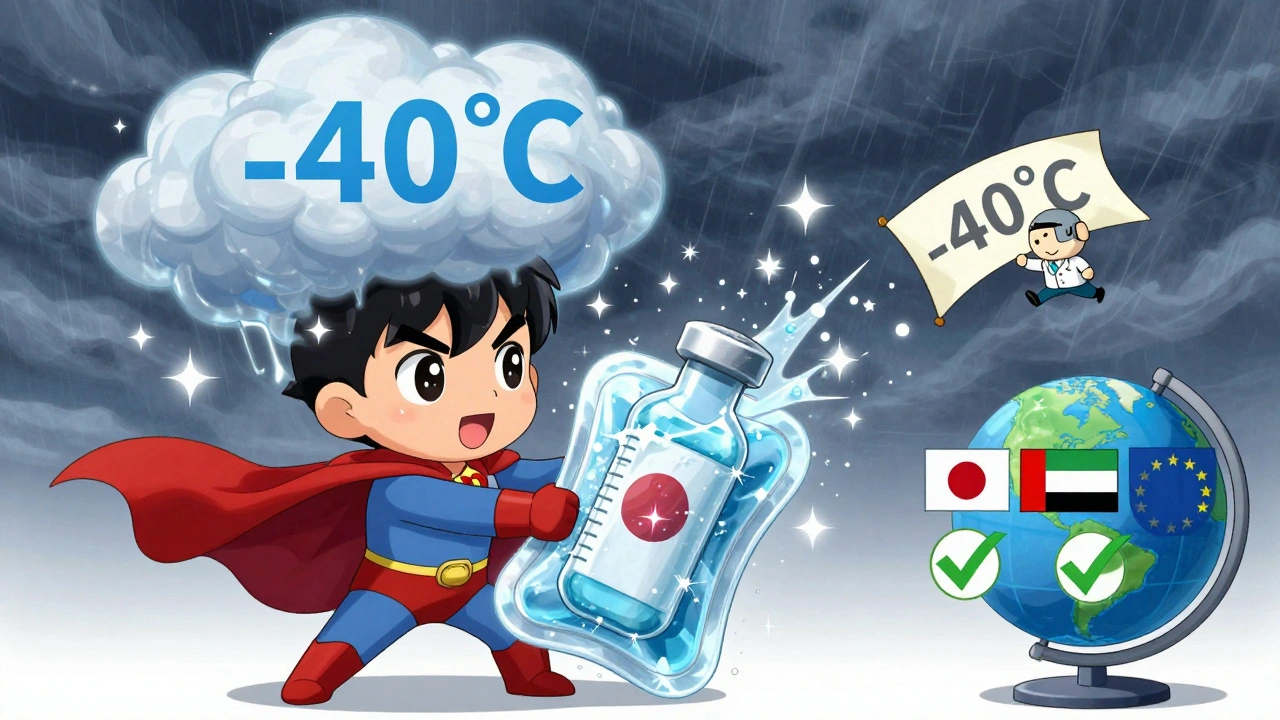
If you’re carrying insulin, biologics, epinephrine auto-injectors, or any refrigerated drug, temperature is your biggest threat. The cargo hold of a plane can hit -40°C (-40°F). That’s colder than Antarctica in winter. At those temperatures, insulin crystallizes. It stops working. And once it’s ruined, no pharmacy can replace it on the spot.
Dr. David Cutler from Providence Saint John’s Health Center warns: “Crystallization in protein-based medications is irreversible.” That means your entire supply could be useless before you even reach your destination.
Here’s how to protect your meds:
- Use a TSA-compliant insulated cooler with frozen gel packs or ice packs. The packs must be fully frozen when you go through security. Wet ice isn’t allowed-it leaks and triggers alarms.
- Keep the cooler in your carry-on. Never check it. Checked luggage goes into the cargo hold. Period.
- Make sure your cooler can maintain 2-8°C (36-46°F) for at least 12-18 hours. Pre-freeze your gel packs for 24 hours before travel. St. Jude Children’s Research Hospital recommends this step. It’s not optional.
- Some airlines now offer in-flight refrigeration. United Airlines installed temperature-controlled units on all 787 Dreamliners starting January 2024. Check your airline’s website before you fly.
Documentation: The Key to Smooth Screening
Having your meds in the right container isn’t enough. You need proof. The TSA and international customs don’t just trust your word. They need paper.
Prepare these three documents:
- Current prescription label. Must match the medication you’re carrying. Expired labels? Not acceptable.
- Physician’s letter on official letterhead. This should state your diagnosis, the name of the medication, dosage, and that it’s medically necessary. Include your doctor’s contact info. It doesn’t have to be fancy-just clear and signed.
- Translated documentation for international trips. If you’re flying to Japan, South Korea, or the UAE, you need your letter and prescription translated into the local language. The ATA Document Translation Network can do this in 14 days. Don’t wait until the last minute.
One traveler, ‘GlobeTrotterMom,’ shared on TripAdvisor that she brought both her child’s prescription and a pediatrician’s letter. The TSA agent measured the 120 mL bottle but let it through after verifying the documents. That’s the difference between stress and smooth sailing.
International Rules Vary-Big Time
What’s legal in the U.S. might be banned in another country. Don’t assume your meds are welcome everywhere.
- Japan, South Korea, UAE: Pseudoephedrine (common in cold meds) is restricted. Japan allows only a 72-hour supply. Bring extra documentation or leave it behind.
- European Union: You can bring up to 90 days’ supply with proper paperwork.
- Many Asian countries: Limit you to 30 days. Exceed that, and you risk confiscation.
- Some countries ban opioids entirely. Even if you have a U.S. prescription, countries like Singapore, Malaysia, and Thailand treat them as illegal narcotics.
The International Society of Travel Medicine updates its country database monthly. Check their site before booking your trip. And remember: the TSA works with 187 international agencies through ICAO. Since January 2023, mutual recognition of medical docs has cut screening delays by 37%. But that doesn’t mean you can skip the prep work.
What to Do Before You Leave
Don’t pack your meds the night before. Give yourself time.
- 72 hours before travel: Double-check all prescriptions. Renew if needed. Make sure your doctor’s letter is current.
- 48 hours before: Freeze your gel packs. Test your cooler. Put ice packs and your meds inside. Leave it in the fridge overnight. Check the temperature the next morning with a small thermometer. If it’s above 8°C, upgrade your cooler.
- 24 hours before: Make digital copies of your prescriptions and doctor’s letter. Save them on your phone and email them to yourself. If your bag gets lost, you still have proof.
- 14 days before international travel: Get translations done. Don’t rely on Google Translate. Use a certified service like ATA Document Translation Network.
If you’re crossing five or more time zones, adjust your medication schedule gradually. The American Academy of Sleep Medicine recommends shifting doses by 15-30 minutes per day for 3-5 days before departure. This helps avoid confusion and missed doses once you land.
What to Do at the Airport
Arrive early. The TSA recommends 2 hours before domestic flights and 3 hours before international ones if you’re carrying medications. Why? Because screening takes longer.
At security:
- Place your medications in a clear plastic bin-separate from your other items.
- Announce them clearly: “I have medication that needs refrigeration.”
- Have your doctor’s letter and prescription ready to hand over.
- Don’t argue. If an agent asks for more info, stay calm. Most are just following protocol.
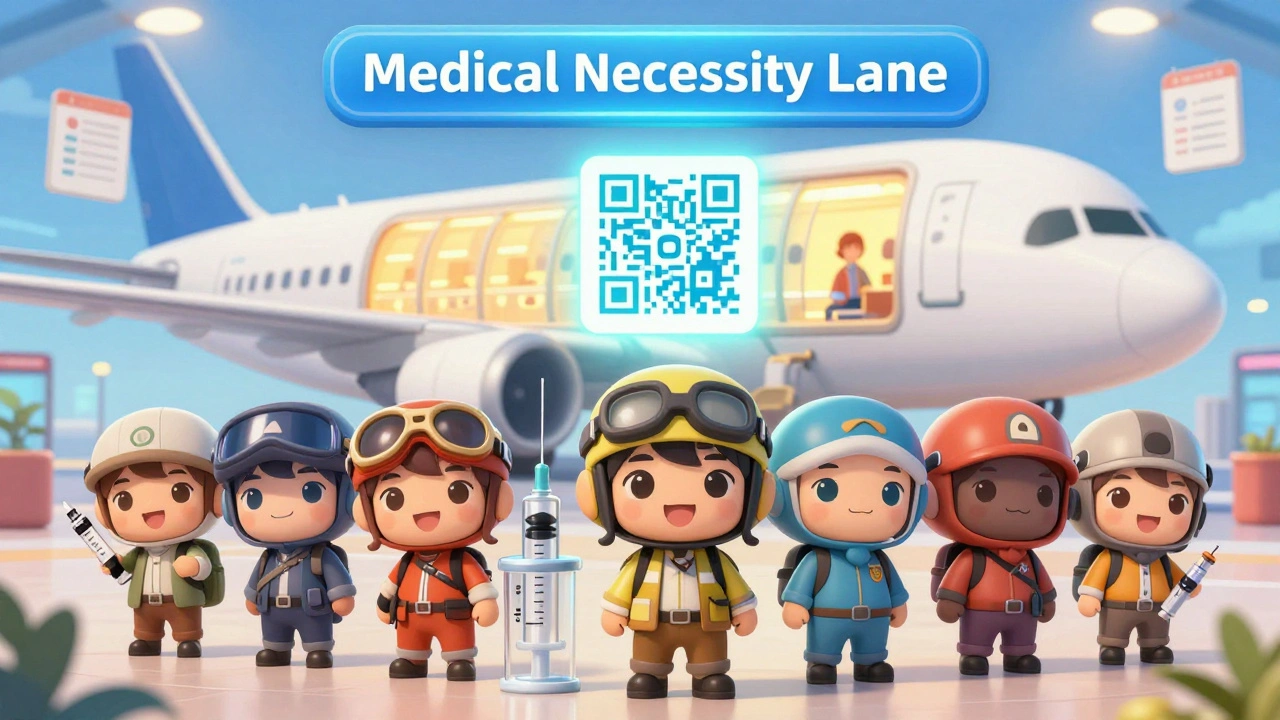
Some major U.S. airports now have dedicated “Medical Necessity” lanes. Chicago O’Hare and Atlanta Hartsfield-Jackson already do. The TSA plans to roll this out to all major U.S. airports by December 2025. When it happens, screening times will drop from nearly 15 minutes to under 4 minutes.
Digital Tools Are Changing the Game
There’s a new option: the MyMediTravel digital medication passport. Launched in June 2023, it uses blockchain to verify your meds, prescriptions, and doctor’s notes. Over 127,000 travelers have used it. The clearance rate? 99.2%. It’s not mandatory-but if you fly often, it’s worth it. You scan a QR code at security. The agent sees your verified info instantly. No paperwork. No delays.
And it’s not just tech. The FAA is pushing airlines to install temperature-controlled storage on all planes by 2026. That’s coming. But for now, you still need to carry your own cooling system.
What NOT to Do
- Don’t put meds in checked luggage. Temperature swings, rough handling, and potential loss make this a huge risk.
- Don’t use unlabeled containers. Even if your pharmacist re-packaged them, TSA won’t accept them.
- Don’t assume your country’s rules apply abroad. What’s legal at home might be illegal overseas.
- Don’t forget your sharps container. Used needles go in a hard-sided container. You can buy these at any pharmacy.
Final Checklist Before You Fly
- ✅ All medications in original pharmacy bottles
- ✅ Doctor’s letter on letterhead, signed and dated
- ✅ Translated copies for international travel (if needed)
- ✅ Digital copies saved on phone and email
- ✅ Insulated cooler with fully frozen gel packs
- ✅ Sharps container for needles
- ✅ Prescription refills for the full trip plus extra days
- ✅ Time zone adjustment plan (if crossing 5+ zones)
- ✅ Airline’s medication policy checked on their website
Traveling with medication isn’t complicated. But it does require planning. Do it right, and you’ll land without stress. Do it wrong, and you could be stranded-or worse. Your health doesn’t take a vacation. Neither should your preparation.
Can I carry liquid medication over 3.4 oz on a plane?
Yes. The TSA allows medically necessary liquid medications in quantities larger than 3.4 oz (100 mL) in your carry-on. You must declare them at the security checkpoint. There’s no official upper limit, but you may be asked to show a prescription or doctor’s note. Keep the original pharmacy bottle and be ready to explain why you need it.
Can I put my insulin in checked luggage?
No. Never put insulin or other temperature-sensitive medications in checked luggage. Cargo holds can reach -40°C (-40°F), which can permanently damage insulin by causing crystallization. Always carry it in your carry-on with a TSA-approved insulated cooler and frozen gel packs.
Do I need a doctor’s note for my medication?
It’s not always required by the TSA for domestic flights, but it’s strongly recommended. For international travel, many countries require a doctor’s letter on official letterhead explaining your condition and medication. It also helps avoid delays at security. Always bring one-it takes minutes to get and can save hours at the airport.
Can I use a pill organizer for my pills?
No. The TSA requires all medications to be in their original pharmacy containers with the prescription label. Pill organizers-even ones labeled by your pharmacist-aren’t accepted. If you need to organize pills for convenience, keep the original bottles in your bag and use the organizer only after you’ve cleared security.
What if my medication is banned in the country I’m visiting?
Some countries ban common medications like pseudoephedrine, opioids, or even certain ADHD drugs. Check the U.S. Department of State’s Travel Advisory and the International Society of Travel Medicine’s country database before you go. If your medication is restricted, ask your doctor for an alternative that’s legal in your destination. Never risk bringing a banned drug-it could lead to arrest or deportation.
Tommy Walton
December 1, 2025 AT 16:01James Steele
December 2, 2025 AT 04:31Louise Girvan
December 3, 2025 AT 02:29soorya Raju
December 4, 2025 AT 02:57Grant Hurley
December 4, 2025 AT 15:59Shannon Gabrielle
December 6, 2025 AT 02:26ANN JACOBS
December 6, 2025 AT 03:40Nnaemeka Kingsley
December 7, 2025 AT 13:30Kshitij Shah
December 9, 2025 AT 05:17Sean McCarthy
December 9, 2025 AT 18:45Jaswinder Singh
December 10, 2025 AT 15:17Bee Floyd
December 10, 2025 AT 22:08Jeremy Butler
December 11, 2025 AT 08:18Courtney Co
December 11, 2025 AT 10:07Shashank Vira
December 12, 2025 AT 11:23