 by
by Red Flags: When to Call Your Doctor About a Medication Problem
16 Jan, 2026Getting a new prescription can feel overwhelming. You’re told to take it daily, but no one warns you about what might go wrong. That’s the problem. Most people assume side effects are normal - and they just push through. But some reactions aren’t just uncomfortable. They’re dangerous. And waiting too long to act can cost you your health.
What Counts as a Red Flag?
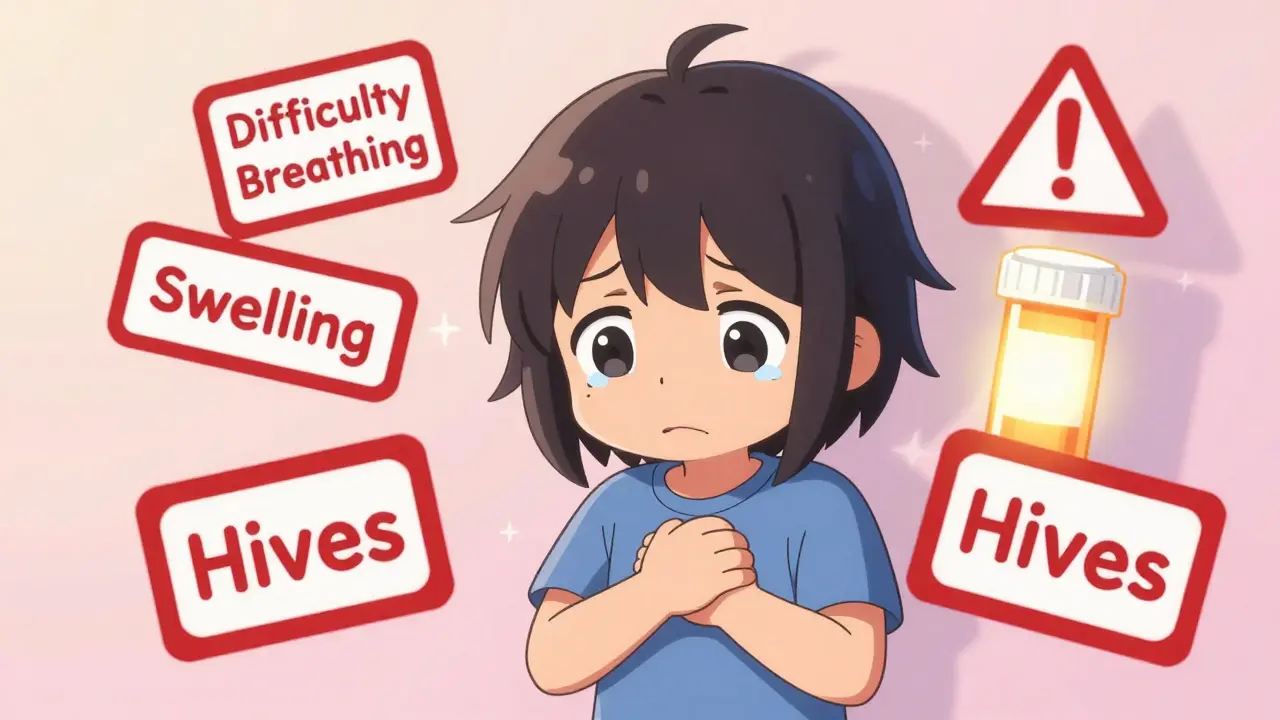
Not every weird feeling means something’s wrong. Nausea after antibiotics? Common. Dry mouth from antihistamines? Normal. But when symptoms turn sharp, sudden, or life-threatening, you need to act - not wait it out. Call your doctor immediately if you experience any of these:- Difficulty breathing or wheezing
- Hives, rash, or skin blisters
- Swelling of your face, lips, tongue, or throat
- Fainting, dizziness so bad you can’t stand, or feeling like you’re about to pass out
- Severe nosebleeds that won’t stop
- Unexplained bruising or bleeding
- High fever with skin peeling or blistering
- Severe stomach pain, vomiting, or diarrhea that lasts more than 48 hours
These aren’t guesses. These are the symptoms tied to real, life-threatening conditions like anaphylaxis, Stevens-Johnson Syndrome (SJS), and toxic epidermal necrolysis (TEN). Anaphylaxis can kill in minutes. SJS and TEN destroy skin and mucous membranes - and up to a third of people who get TEN don’t survive.
The FDA defines a serious reaction as one that causes death, hospitalization, disability, or permanent damage. That’s the line. If your symptoms cross it, don’t text your doctor. Don’t wait until morning. Call 911 or go to the ER.
What’s Just a Minor Side Effect?
Most people get side effects. That doesn’t mean you’re broken. It means your body is adjusting. Here’s what’s usually harmless:- Nausea from antibiotics (affects 20-30% of users)
- Constipation from opioids (40-50% of users)
- Diarrhea after amoxicillin (about 25% of people)
- Dry mouth from antihistamines (35% of users)
- Drowsiness from older allergy meds (30% of users)
- Mild headache from blood pressure drugs (15-20% of users)
- Small, itchy rash from antibiotics (5-10% of cases)
These don’t require emergency care. But they still matter. If they stick around longer than 72 hours, get worse, or make it hard to eat, sleep, or work - that’s your cue to call your doctor. Don’t suffer in silence. Your doctor might adjust your dose, switch you to another drug, or add something to help manage it.
And here’s the big mistake most people make: stopping their meds because they feel weird. The National Institute on Aging says nearly half of treatment failures for chronic conditions happen because people quit their meds too soon. If you’re on blood thinners, insulin, or antidepressants, quitting cold turkey can be more dangerous than the side effect.
When to Stop Taking Your Medicine
There’s one clear rule: stop immediately if you have signs of a severe allergic reaction or skin blistering.- Swelling of the throat or tongue
- Wheezing or gasping for air
- Blistering skin or peeling
- Sores in your mouth, eyes, or genitals
These are medical emergencies. Stop the drug, call 911, and get help. Don’t wait to see if it gets better. Anaphylaxis doesn’t care about your schedule. It hits fast - and it kills fast.
For everything else? Keep taking your medicine. Call your doctor. They’ll tell you whether to pause it, switch it, or keep going. Never guess. Never assume. Your doctor needs to know what’s happening before they can help.
How to Track Your Symptoms Like a Pro
A lot of doctors say, “Tell me what’s going on.” But most patients say, “I feel weird.” That’s not helpful.Here’s what works: write it down.
- What happened? (e.g., “My face swelled up after taking the pill”)
- When? (e.g., “30 minutes after my 8 a.m. dose”)
- How long did it last? (e.g., “Went away after 2 hours”)
- How bad was it? (Rate it 1-10)
- Did anything make it better or worse? (e.g., “Drinking water helped the dizziness”)
People who keep a side effect diary are 65% more likely to get the right diagnosis, according to a Lancet study. Your doctor doesn’t need to guess. They need facts. The more specific you are, the faster they can help.
What You Can Do Right Now
You don’t have to wait until your next appointment to be safe. Here’s what to do today:- Read the medication guide that came with your prescription. It’s required by the FDA and written in plain language.
- Know the name of your drug - not just the color or shape of the pill.
- Ask your pharmacist: “What are the top three red flags I should watch for with this medicine?”
- Keep your meds in one place. Don’t mix them. Confusion leads to mistakes.
- Set phone alarms for doses. Missed or double doses cause side effects.
- Update your doctor if you start taking something new - even over-the-counter painkillers or herbal supplements.
One in three serious medication errors happens because someone didn’t tell their doctor about a new supplement. Garlic pills, St. John’s wort, even turmeric can interfere with blood thinners, antidepressants, or heart meds.
Why Reporting Matters - Even If It’s Small
You might think, “It’s just a headache. It’s not a big deal.” But here’s the truth: small reports add up.The FDA’s MedWatch program gets over 1.3 million reports every year. About 15-20% come from patients like you. These reports have led to over 200 label changes and 15-20 drug recalls since 2020.
Dr. Janet Woodcock, former FDA deputy commissioner, said patient reports are the only way to catch rare but deadly side effects. Clinical trials involve thousands of people. Real life involves millions. Something that happens to one in 10,000 people won’t show up in a trial - but it will show up in your report.
Reporting doesn’t take long. Go to fda.gov/medwatch or call 1-800-332-1088. You don’t need to be sure it’s the drug. Just report what happened. The FDA will investigate.
Final Thought: Your Voice Saves Lives
Medication safety isn’t just about doctors and pharmacies. It’s about you. You’re the one taking the pill. You’re the one who notices the change. You’re the one who calls when something feels off.That’s not being dramatic. That’s being smart.
Side effects are common. Life-threatening reactions are rare. But when they happen, timing is everything. If you wait, you might lose the chance to stop it. If you act, you might save yourself - or someone you love.
Know your meds. Track your symptoms. Speak up. Don’t let fear of being a bother keep you silent. Your doctor needs to hear from you. And in some cases, your call could be the one that prevents a tragedy.
What should I do if I think my medication is causing a serious reaction?
If you have trouble breathing, swelling of your face or throat, hives, blisters on your skin, or feel like you’re about to faint, call 911 or go to the nearest emergency room immediately. Do not wait. These are signs of life-threatening reactions like anaphylaxis or Stevens-Johnson Syndrome. Stop taking the medication only if you’re experiencing these symptoms - otherwise, keep taking it until you speak with your doctor.
Can I just stop taking my medicine if the side effects bother me?
No - unless you’re having a severe allergic reaction or skin blistering. For most side effects like nausea, drowsiness, or dry mouth, stopping your medication can make your original condition worse. For example, stopping blood pressure or antidepressant meds suddenly can cause dangerous rebound effects. Always call your doctor first. They may adjust your dose, switch your drug, or add a treatment to help manage the side effect.
How long should I wait before calling my doctor about a side effect?
If a side effect lasts more than 72 hours, gets worse over time, or interferes with your daily life - like making it hard to sleep, eat, or work - call your doctor. Some guidelines say to call after 48 hours if it’s bothering you. Don’t wait until it’s unbearable. Early reports help your doctor catch problems before they escalate.
Are over-the-counter drugs and supplements safe to take with my prescription?
Not always. Many OTC painkillers, herbal supplements, and even vitamins can interact with prescription drugs. For example, St. John’s wort can make antidepressants and birth control less effective. Garlic and ginkgo can increase bleeding risk if you’re on blood thinners. Always tell your doctor and pharmacist about everything you’re taking - even if you think it’s harmless.
Why is it important to keep a side effect diary?
A side effect diary helps you remember exactly what happened - when, how bad, and what made it better or worse. Studies show patients who track symptoms are 65% more likely to get the right diagnosis. Instead of saying, “I feel weird,” you can say, “My dizziness started 20 minutes after taking my pill and lasted 3 hours.” That kind of detail helps your doctor act faster and make better decisions.
Can I report a side effect even if I’m not sure it’s from the medication?
Yes. The FDA’s MedWatch program encourages anyone to report suspected side effects, even if you’re not certain. Your report could be the first clue that a drug has a rare but serious risk. Over 1.3 million reports are filed each year, and 15-20% come from patients. These reports have led to hundreds of drug label updates and dozens of recalls since 2020. Reporting doesn’t take long - and it could save someone’s life.
Joni O
January 17, 2026 AT 18:52I took amoxicillin last month and got that itchy little rash-thought it was laundry detergent. Turned out it was the antibiotic. Called my doc, they switched me. Don’t ignore the tiny stuff. It’s the little warnings that save you.
Dayanara Villafuerte
January 19, 2026 AT 11:27My grandma died because she didn’t speak up about the swelling. Don’t be her. 🕊️
Jake Moore
January 21, 2026 AT 03:41As a pharmacist, I see this every week. People panic over nausea and quit their blood pressure meds. Then they end up in the ER with a stroke. Side effects ≠ stop. Communication = safety.
Praseetha Pn
January 21, 2026 AT 22:15Of course the FDA says ‘report it’-they don’t want liability. But you know what they don’t tell you? Big Pharma pays doctors to downplay side effects. Your ‘harmless’ headache? Could be liver damage in disguise. 🚨
Jay Clarke
January 23, 2026 AT 07:31Y’all are treating meds like they’re coffee. ‘Oh I feel weird’-no, you feel like your body is betraying you. And now you’re gonna ‘track it in a diary’? Like a journal for your impending doom? 😭
Chuck Dickson
January 23, 2026 AT 09:24My sister’s on antidepressants. She had a mild rash and almost quit-until her therapist said, ‘That’s not your enemy. The depression is.’ She stayed on it. Two years later, she’s hiking mountains. Don’t quit because it’s uncomfortable. Quit because your doctor says so.
Andrew McLarren
January 24, 2026 AT 11:45It is imperative that patients maintain rigorous documentation of pharmacological adverse events. The empirical correlation between symptom logging and diagnostic efficacy has been statistically validated in peer-reviewed literature. One must not underestimate the epistemological value of phenomenological self-reporting.
Ryan Otto
January 26, 2026 AT 07:19Of course the article says ‘call your doctor.’ But who’s to say your doctor isn’t on the payroll of the pharmaceutical company that manufactures your drug? The FDA is a revolving door. They don’t care about you. They care about stock prices. Don’t trust the system. Trust your gut.
Jodi Harding
January 27, 2026 AT 20:18My cousin took a new pill. Got dizzy. Didn’t say anything. Died three days later. No one knew why. Don’t be quiet.
Wendy Claughton
January 29, 2026 AT 18:00Just started my new med. I’m already writing down every burp and blink. 📓📝😵💫 I feel like a scientist… but one who’s scared of their own body. If I get a rash, I’m calling 911. No cap. I’ve seen too many TikToks.
Andrew Short
January 29, 2026 AT 19:24People are so lazy they’d rather die than read the 2-page insert that comes with their pill. You want to live? Read the tiny print. It’s not hard. It’s not magic. It’s just responsibility. You’re not special. The drug doesn’t care about your feelings.
Max Sinclair
January 30, 2026 AT 21:13My dad had a reaction to a generic version of his blood thinner. The brand name was fine. The generic? Caused internal bleeding. He didn’t know they were different. Always ask: ‘Is this the same as what I was on before?’ It saved his life.
Tyler Myers
January 31, 2026 AT 05:01They say ‘report it to MedWatch’ like it matters. But you know what actually happens? Nothing. The drug stays on the market for years. People keep dying. The system is rigged. You’re not saving lives-you’re just filling out a form for a corporation that profits from your pain.
christian Espinola
January 31, 2026 AT 05:11Why are we all acting like this is new information? I’ve been warning people since 2018. You don’t need a blog post to know that pills can kill. You need to stop trusting doctors who went to school for 10 years and then got paid by Pfizer to shut up.