 by
by Rhabdomyolysis from Drug Interactions: Risks, Symptoms, and Prevention
4 Feb, 2026Rhabdomyolysis Risk Calculator
Input Medications
Patient Risk Factors
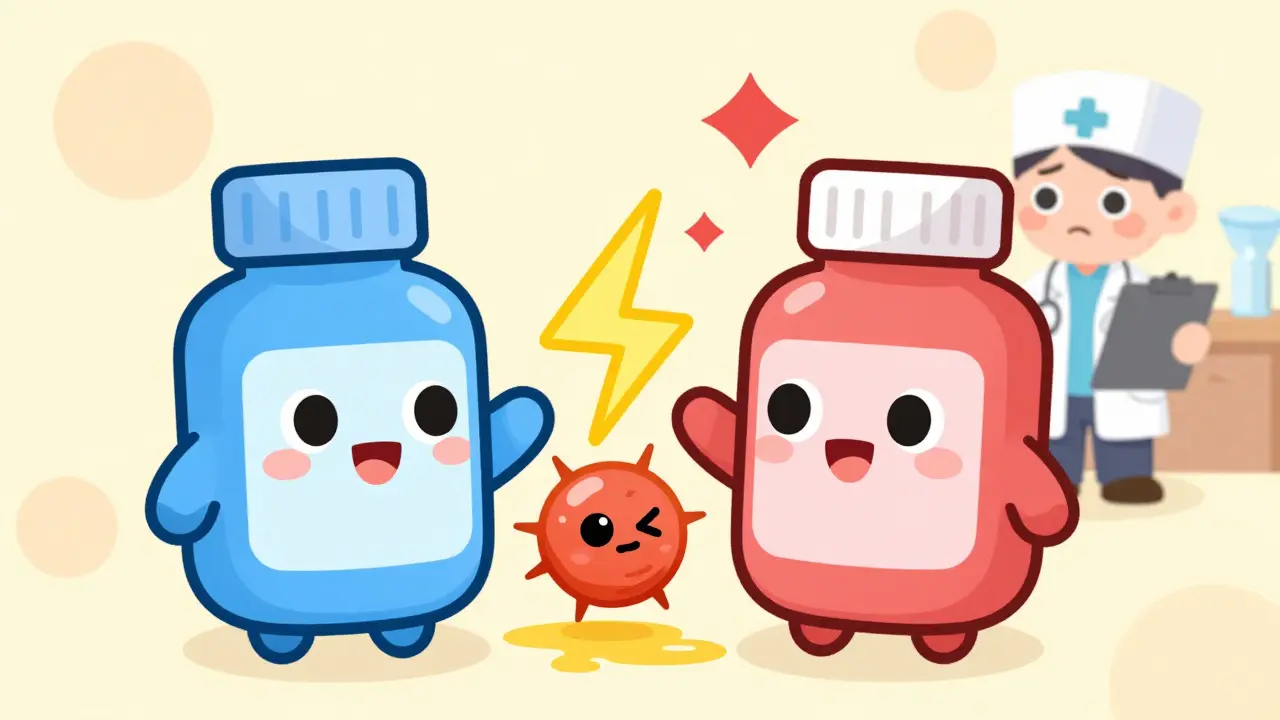
Over 27,000 people were hospitalized for rhabdomyolysis in the U.S. last year. Most cases? Medication interactions. It's not just a rare side effect-it's a real emergency when drugs clash. Let's break down how this happens, what to watch for, and how to stay safe.
Rhabdomyolysis is a condition where skeletal muscle breaks down rapidly, releasing harmful substances into the bloodstream. This can cause kidney damage, heart issues, and even death. The process starts when muscle cell membranes get damaged, leaking creatine kinase (CK), myoglobin, and electrolytes into the blood.Common Medication Triggers
Statins like Lipitor (atorvastatin) and Zocor (simvastatin) cause about 60% of medication-related rhabdomyolysis cases. But the real danger comes when these drugs interact with others. For example, combining simvastatin with the antibiotic Clarithromycin increases risk by 18.7 times. Why? Both affect the CYP3A4 enzyme system, causing dangerous buildup.
Other dangerous combos include:
- Colchicine (for gout) with Clarithromycin-14.2-fold higher risk
- Erlotinib (cancer drug) with simvastatin-CK levels over 20,000 U/L within days
- Statin-fibrate combinations (like gemfibrozil) raising risk 15-20 times
Recognizing Symptoms Early
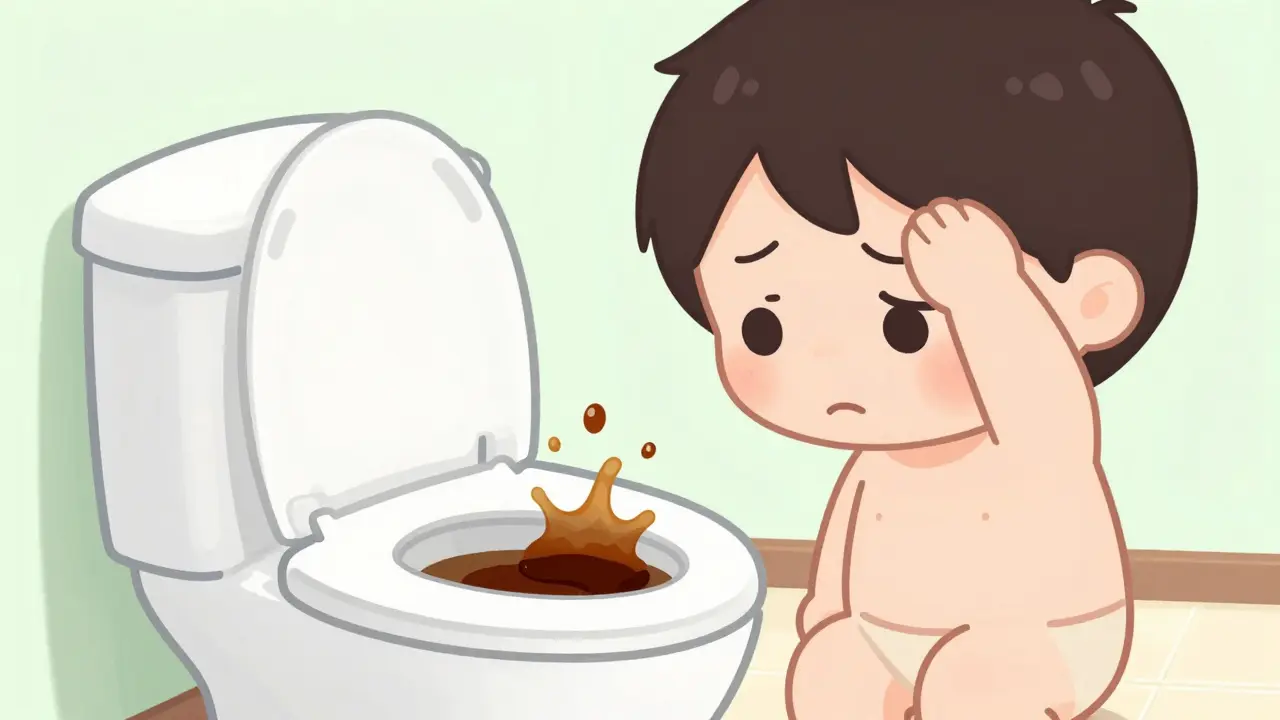
The classic symptoms-muscle pain, weakness, and dark urine-only show up in about half of cases. Many people miss early signs. Instead, they experience nausea, fever, abdominal pain, or decreased urination. One patient described it: "After adding clarithromycin to my colchicine for gout, my urine turned cola-colored within 48 hours and CK hit 28,500 U/L." If you're on high-risk meds and notice sudden muscle soreness or changes in urine color, don't wait.
Who's Most at Risk?
Age matters. People over 65 face 3.2 times higher risk than younger adults. Women have 1.7 times greater incidence than men. Kidney issues are a major factor too-those with eGFR under 60 mL/min have 4.5 times higher risk. A 2022 study found patients taking five or more medications have 17.3 times higher risk. These numbers aren't random; they come from analyzing real-world data.
Immediate Treatment Steps
Time is critical. Stop the offending drug immediately. Start aggressive IV fluids-3 liters of saline in the first 6 hours, then 1.5 L/hour with sodium bicarbonate to keep urine pH above 6.5. This prevents myoglobin from clogging kidneys. Doctors monitor for complications like high potassium, low calcium, or compartment syndrome. Delaying treatment can mean needing dialysis or worse.
Preventing Dangerous Interactions
Always tell your doctor about every medication you take-prescription, over-the-counter, and supplements. Ask about potential interactions. For example, if you're on colchicine for gout, never mix it with clarithromycin. The FDA issued specific warnings about this combo in 2021. Use tools like GoodRx's interaction checker, but always confirm with a pharmacist. Simple steps like these can save your kidneys.
Real Stories from Patients
"My oncologist didn't warn me about the simvastatin-erlotinib interaction-CK peaked at 42,000 and I needed 3 days of dialysis," shared a lung cancer survivor in 2023. Another patient added clarithromycin to colchicine for gout, leading to dark urine and CK of 28,500 U/L within 48 hours. These aren't isolated cases-they highlight why awareness matters.
Long-Term Recovery Challenges
Even after surviving, 43.7% of patients have lasting muscle weakness six months later. Full recovery takes 12 weeks without kidney issues, but dialysis cases need over 28 weeks. This isn't just about surviving the emergency-it's about managing life after. Prevention is always better than treatment.
What are the first signs of rhabdomyolysis?
Early signs often include sudden muscle pain, weakness, or dark urine. However, only about half of cases show the classic triad. Many people experience nausea, fever, or abdominal pain instead. If you're on medications like statins or colchicine and notice these symptoms, seek help immediately.
Which medications most commonly cause rhabdomyolysis?
Statins account for 60% of medication-induced cases. Specific high-risk combinations include simvastatin with clarithromycin (18.7x risk), colchicine with clarithromycin (14.2x risk), and erlotinib with simvastatin. Fibrates like gemfibrozil also raise risk when combined with statins.
How is rhabdomyolysis diagnosed?
Doctors measure creatine kinase (CK) levels in blood. A CK over 5,000 U/L typically indicates severe rhabdomyolysis. Urine tests check for myoglobin. Additional tests monitor kidney function, electrolytes, and potential complications like hyperkalemia. Early diagnosis is key to preventing kidney damage.
Can rhabdomyolysis be prevented?
Yes, through careful medication management. Always review all your drugs with your doctor or pharmacist, especially when starting new ones. Avoid combining statins with strong CYP3A4 inhibitors like clarithromycin or certain antifungals. Genetic testing for SLCO1B1 variants can identify higher-risk patients. Regular monitoring of CK levels may help in high-risk cases.
What should I do if I suspect rhabdomyolysis?
Stop the suspected medication immediately and seek emergency care. Do not wait for symptoms to worsen. Early treatment with IV fluids and kidney monitoring can prevent permanent damage. Tell healthcare providers about all medications you're taking, including supplements, to help identify the cause quickly.