 by
by SSRI Antidepressants and Serotonin Syndrome Risk from Drug Interactions
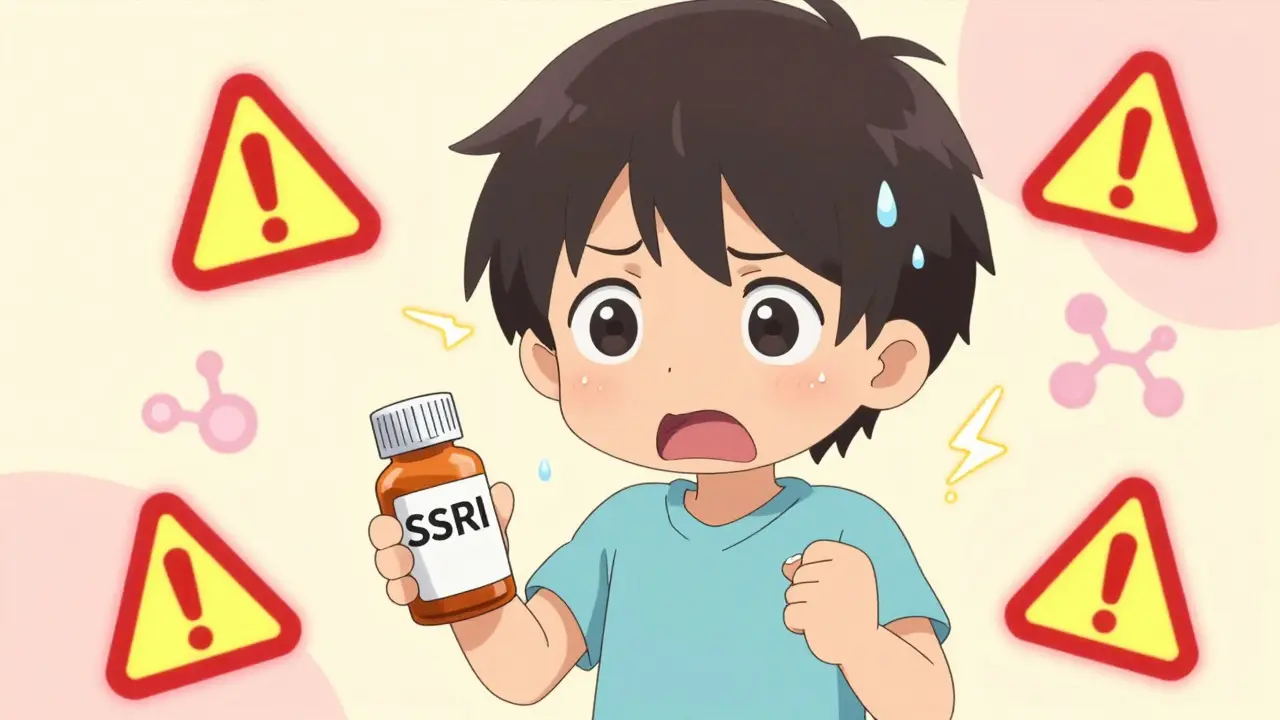
28 Dec, 2025Most people taking SSRIs for depression or anxiety don’t think about dangerous drug interactions. But if you’re also on an opioid, a migraine medication, or even St. John’s wort, you could be at risk for something serious - serotonin syndrome. It doesn’t happen often, but when it does, it can turn deadly in hours. And the worst part? Many doctors and patients don’t recognize the early signs until it’s too late.
What SSRIs Actually Do
SSRIs - selective serotonin reuptake inhibitors - are among the most prescribed antidepressants in the U.S. Drugs like sertraline (Zoloft), escitalopram (Lexapro), fluoxetine (Prozac), and paroxetine (Paxil) work by blocking serotonin from being reabsorbed in the brain. More serotonin floating around means better mood regulation. That’s why they’re used for depression, OCD, panic disorder, and social anxiety.
They’re safer than older antidepressants like tricyclics or MAOIs, but they’re not harmless. The biggest hidden danger isn’t the drug itself - it’s what happens when you mix it with other substances that also boost serotonin.
What Is Serotonin Syndrome?
Serotonin syndrome isn’t just a side effect. It’s a medical emergency. It happens when too much serotonin builds up in your central nervous system. The body can’t handle it. Symptoms start mild - shivering, sweating, restlessness - but can spiral into muscle rigidity, high fever, seizures, or even coma.
The Hunter Criteria, used by emergency rooms and psychiatrists today, are the gold standard for diagnosis. You don’t need every symptom. Just one of these is enough to raise a red flag:
- Spontaneous clonus (involuntary muscle contractions)
- Inducible clonus plus agitation or sweating
- Ocular clonus (eye twitching) with agitation or sweating
- Tremor and overactive reflexes
- High body temperature (over 38°C) with clonus or rigidity
It’s not rare. About 1 in 1,000 people on SSRIs will develop it. But because symptoms look like the flu, food poisoning, or anxiety, it’s often missed. A 2022 FDA review found over 1,800 reported cases between 2018 and 2022 - and that’s just what got documented.
High-Risk Drug Combinations
Not all drug interactions are created equal. Some combinations are barely risky. Others are like lighting a fuse.
MAOIs - Absolute No-Go
Never mix SSRIs with MAOIs like phenelzine or selegiline. This combo is deadly. Mortality rates hit 30-50% when they’re taken together. Even a 2-week gap isn’t always enough - if you’ve been on fluoxetine, wait five weeks. Its metabolite sticks around for up to two weeks after you stop.
Opioids - Tramadol and Dextromethorphan Are the Worst
Tramadol, used for moderate pain, is one of the most common culprits. It doesn’t just relieve pain - it also increases serotonin. A 2023 study showed people taking tramadol with an SSRI had nearly five times the risk of serotonin syndrome. Dextromethorphan, found in many cough syrups, is just as dangerous.
On Reddit, users describe waking up shaking, sweating, and feverish after taking tramadol for the first time while on sertraline. One man ended up in the ICU with a 104.2°F fever and muscle rigidity. He didn’t know the two could interact.
Not all opioids are risky. Morphine, oxycodone, and codeine show no significant increase in serotonin syndrome risk. If you need pain relief while on an SSRI, ask your doctor about these instead.
SNRIs and Other Antidepressants
SNRIs like venlafaxine (Effexor) and duloxetine (Cymbalta) also raise serotonin. Combining them with SSRIs triples your risk. Even mirtazapine (Remeron) and trazodone, often used for sleep, can add to the problem.
Linezolid - The Antibiotic You Didn’t Know Was Dangerous
Linezolid, an antibiotic for tough infections like MRSA, acts like a weak MAOI. It’s not common, but if you’re on an SSRI and get prescribed linezolid, you’re at nearly three times higher risk. A 2022 JAMA study found serotonin syndrome occurred in 0.14% of elderly patients on this combo - low percentage, but high stakes.
Herbs and Supplements
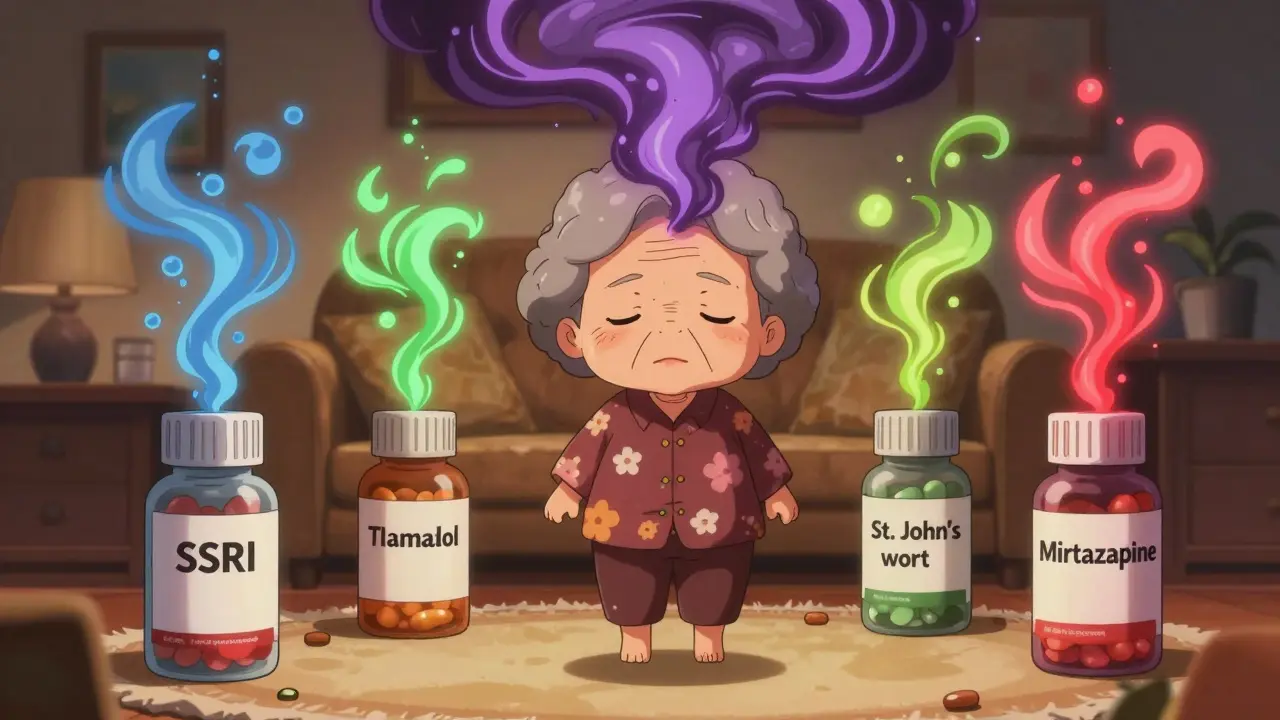
St. John’s wort is a natural antidepressant - and a serotonin booster. People think “natural” means safe. It doesn’t. There are dozens of documented cases of serotonin syndrome from mixing it with SSRIs. One user on Drugs.com said they got confused and shaking after just three days of combining it with Prozac. The ER doctor confirmed it was early serotonin syndrome.
Other risky supplements: tryptophan, 5-HTP, and even some energy drinks with high doses of L-tryptophan or SAM-e.
Who’s Most at Risk?
It’s not just about what you take - it’s how many things you take. The average American over 65 takes five or more medications daily. That’s a recipe for hidden interactions.
Older adults are especially vulnerable. Their bodies clear drugs slower. Liver and kidney function decline. They’re more likely to be on SSRIs for depression, opioids for arthritis pain, and antibiotics for infections. All at once.
Genetics matter too. People with CYP2D6 poor metabolizer status - about 7% of the population - can’t break down tramadol properly. That means more serotonin builds up. A 2023 UCSF study found these patients had 2.4 times higher risk when taking tramadol with an SSRI.
How to Stay Safe
You don’t have to avoid SSRIs. But you do need to be smart about what you combine them with.
- Always tell every doctor you see - including dentists and ER staff - that you’re on an SSRI. Many don’t ask.
- Check every new prescription - even for a cold or pain. Ask: “Does this interact with sertraline or Lexapro?”
- Don’t start supplements without asking. St. John’s wort, 5-HTP, and L-tryptophan are dangerous with SSRIs.
- Know the warning signs. If you feel sudden shivering, sweating, muscle stiffness, or confusion after starting a new drug, get help immediately.
- Use a pharmacist. They’re trained to spot interactions. A 2023 study showed pharmacist-led reviews cut serotonin syndrome events by 47% in Medicare patients.
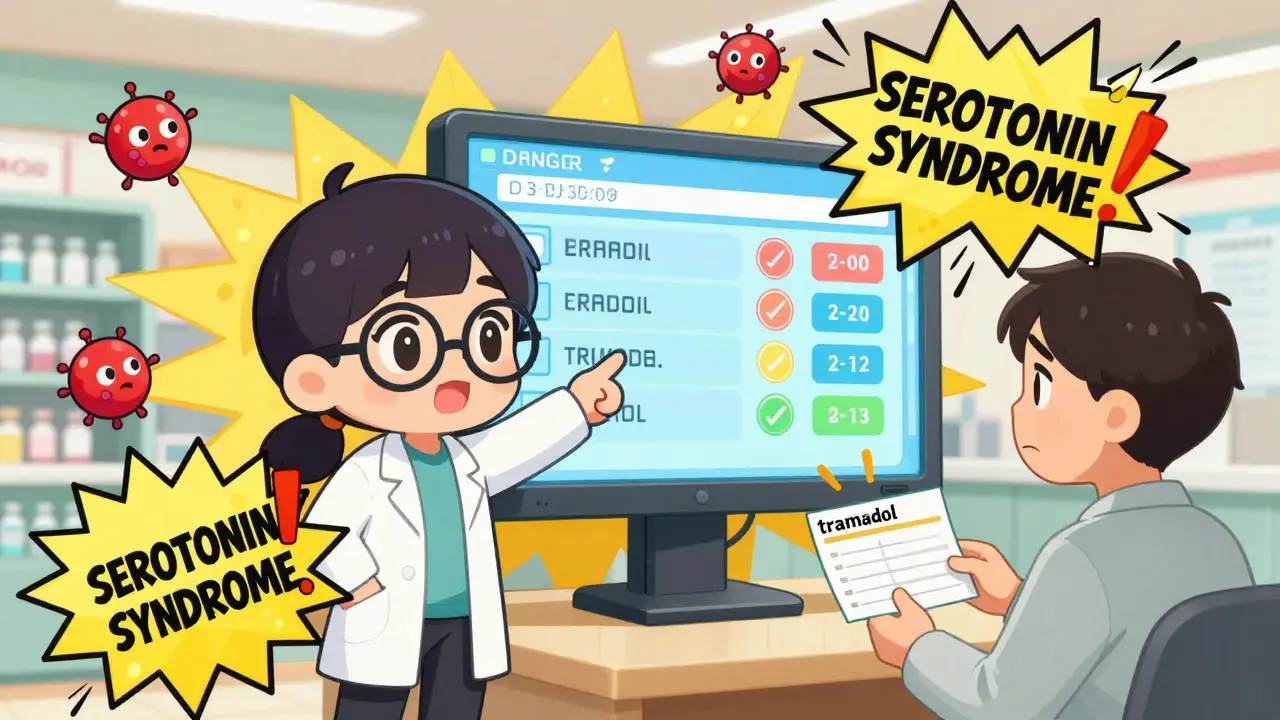
Electronic health records now flag high-risk combos. But not all systems are updated. If your doctor prescribes tramadol with your SSRI, push back. Ask for an alternative.
What to Do If You Think You Have It
If you notice symptoms - especially after starting a new medication - don’t wait. Go to the ER. Tell them you’re on an SSRI and suspect serotonin syndrome. Time matters. Mild cases may resolve in 24-72 hours with supportive care. Severe cases need ICU treatment: cooling, muscle relaxants, and serotonin blockers like cyproheptadine.
Don’t try to tough it out. One man in Florida waited two days before going to the hospital. By then, his temperature hit 106°F. He survived - but barely. His kidneys failed. He needed dialysis.
The Bigger Picture
SSRIs save lives. But they’re not magic pills. The rise in polypharmacy - especially in older adults - has turned a quiet risk into a silent epidemic. In 2022, there were over 276 million SSRI prescriptions in the U.S. And tramadol prescriptions jumped 5.7% in the same year.
The FDA now requires stronger warnings on all antidepressants. Some hospitals have automated alerts in their prescribing systems. But the real protection? You.
If you’re on an SSRI, treat every new medication - even over-the-counter ones - like a potential threat. Ask questions. Do your homework. Your life might depend on it.
Can you get serotonin syndrome from just one SSRI?
It’s extremely rare. Serotonin syndrome almost always happens when SSRIs are mixed with another serotonergic drug - like an opioid, SNRI, MAOI, or supplement. Taking an SSRI alone at a normal dose doesn’t cause it. Overdoses can, but that’s different from drug interactions.
How long does serotonin syndrome last?
Mild cases usually clear up in 24 to 72 hours after stopping the offending drug. Severe cases can last days or weeks, especially if the drug has a long half-life like fluoxetine. Recovery depends on how quickly you get treatment. Delayed care can lead to organ damage or death.
Are there any safe painkillers to take with SSRIs?
Yes. Morphine, oxycodone, hydrocodone, and codeine have not been linked to increased serotonin syndrome risk. Acetaminophen (Tylenol) and NSAIDs like ibuprofen are also safe. Avoid tramadol, fentanyl, methadone, and dextromethorphan unless your doctor confirms it’s safe for your specific case.
Can I take St. John’s wort with my SSRI if I use it sparingly?
No. Even small or occasional use of St. John’s wort with SSRIs can trigger serotonin syndrome. There’s no safe dose combination. The interaction is unpredictable and can happen after just one or two doses. It’s not worth the risk.
What should I do if my doctor prescribes a new drug while I’m on an SSRI?
Ask: “Is this drug serotonergic? Could it interact with my SSRI?” If they’re unsure, ask them to check with a pharmacist. You can also use trusted resources like the FDA’s drug interaction checker or consult your pharmacy’s medication review service. Never assume a new prescription is safe just because it’s FDA-approved.
Is serotonin syndrome more common in older adults?
Yes. People over 65 are at higher risk because they often take multiple medications - SSRIs for depression, opioids for pain, antibiotics like linezolid, and supplements. Their bodies also process drugs slower, so serotonin builds up faster. One in five older Americans takes an SSRI, and nearly one in five also uses an opioid. That’s a dangerous overlap.
Janette Martens
December 28, 2025 AT 22:19Marie-Pierre Gonzalez
December 30, 2025 AT 02:07Louis Paré
December 31, 2025 AT 21:27Ryan Touhill
January 1, 2026 AT 17:02Ellen-Cathryn Nash
January 2, 2026 AT 22:10Mimi Bos
January 3, 2026 AT 13:03Payton Daily
January 4, 2026 AT 01:25Kelsey Youmans
January 4, 2026 AT 03:59Sydney Lee
January 5, 2026 AT 05:10oluwarotimi w alaka
January 5, 2026 AT 09:59Debra Cagwin
January 7, 2026 AT 07:24Hakim Bachiri
January 8, 2026 AT 18:05Celia McTighe
January 10, 2026 AT 08:10Teresa Marzo Lostalé
January 10, 2026 AT 13:31ANA MARIE VALENZUELA
January 12, 2026 AT 01:38