Medication Safety and Management in 2025: What You Need to Know
When it comes to your health, medication safety, the practice of using drugs correctly to avoid harm, prevent errors, and ensure effectiveness. Also known as drug safety, it’s not just about taking pills as directed—it’s about knowing what’s in them, when they expire, and how they interact with everything else in your body. In 2025, this isn’t optional. With more people managing multiple prescriptions, using supplements like milk thistle or biotin, and switching to generics, the risks are higher than ever—and the fixes are simpler than you think.
One major issue is expired medications, drugs past their labeled use-by date that may lose potency or become unsafe, especially those with a narrow therapeutic index. Also known as out-of-date drugs, these aren’t just useless—they can be dangerous. Warfarin, lithium, and digoxin don’t just stop working when they expire; they can turn toxic. Then there’s drug interactions, when two or more substances affect each other’s behavior in your body, leading to side effects or reduced effectiveness. Also known as medication conflicts, these aren’t always obvious. Biotin supplements can fake a heart attack on lab tests. Antibiotics like rifampin can wipe out birth control. Even milk thistle, often seen as harmless, can mess with liver enzymes that process your prescriptions. And if you’ve ever switched to a generic and felt different—itchier, sleepier, or just off—you’re not imagining it. generic medications, lower-cost versions of brand-name drugs with the same active ingredient but different fillers, dyes, or preservatives. Also known as generic drugs, these can trigger reactions if you’re sensitive to lactose, cornstarch, or food dyes—even though the main drug is identical. Meanwhile, millions of Americans rely on medication assistance programs, government and state-run services that help people afford prescriptions they can’t pay for. Also known as pharmaceutical aid programs, these include Medicare Extra Help and state SPAPs, which can cut costs by 70% or more—if you know how to apply.
What You’ll Find in This Collection
This archive brings together real, actionable advice from November 2025—no fluff, no guesswork. You’ll learn how to safely toss old pills in the trash without risking your kids or the environment. You’ll find out which antihistamines actually work for hives without making you nod off. You’ll see why your nasal spray made your congestion worse, and how to get out of that cycle without surgery. You’ll understand why your senior parent needs a blister pack, how to spot when your first-aid kit is a liability, and what to do when your lab results don’t make sense because of a daily biotin pill. Every post is written for someone who’s tired of being confused by their own medicine cabinet—and ready to take control.
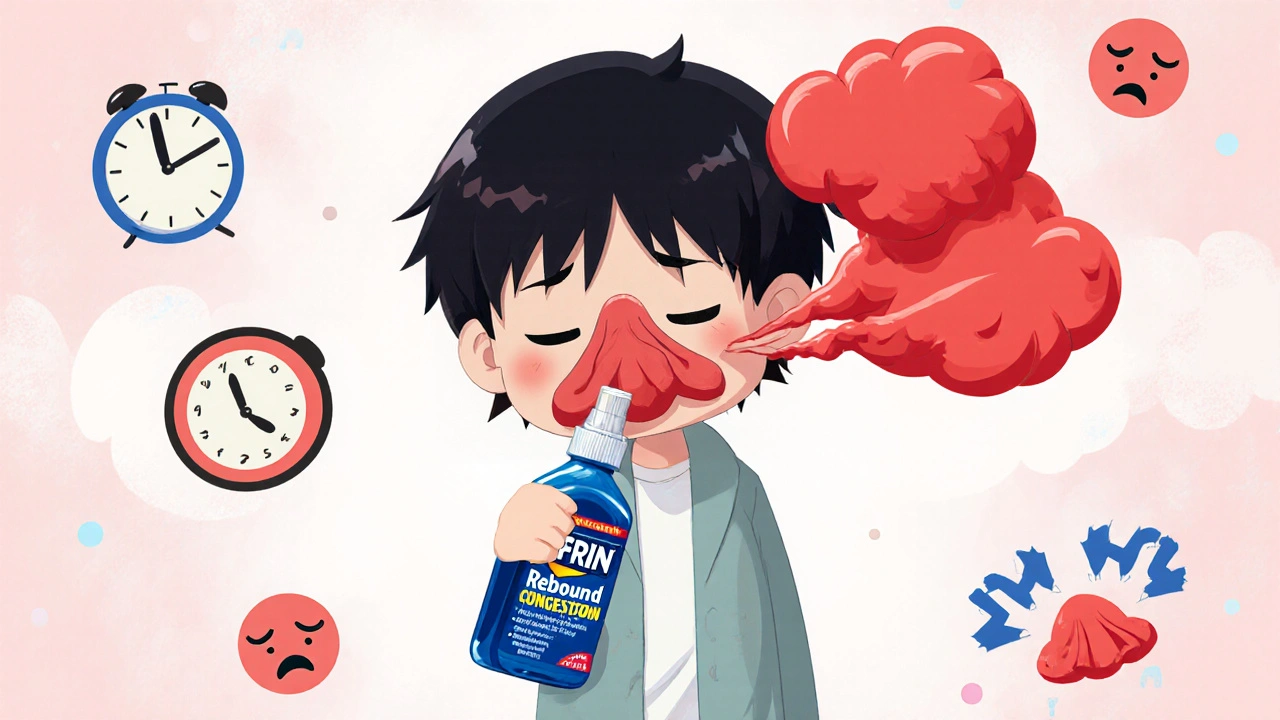
Nasal Congestion from Medications: How to Break the Cycle and Find Relief
30 Nov, 2025
Nasal congestion from overusing decongestant sprays is called rebound congestion. Learn how to stop the cycle, use corticosteroids like Flonase, and recover safely without surgery or dependency.
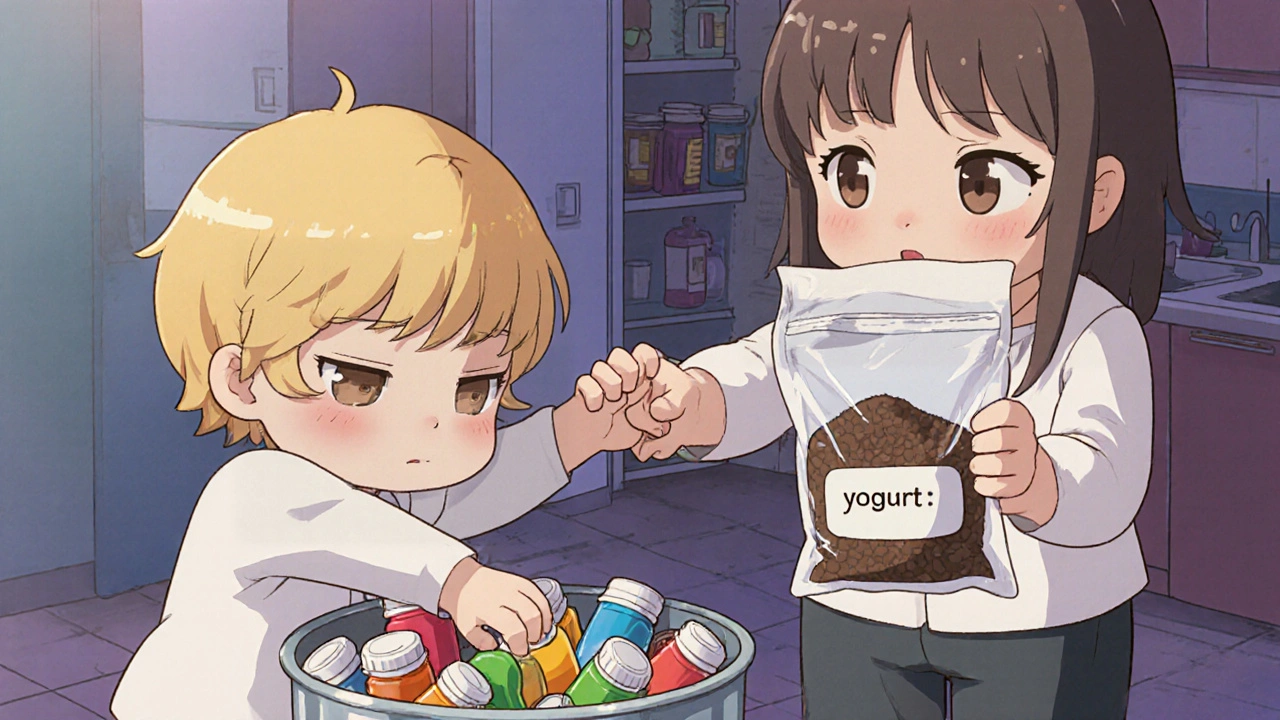
How to Safely Dispose of Medications in Household Trash: Step-by-Step Guide
29 Nov, 2025
Learn how to safely dispose of expired or unused medications in household trash using FDA-approved steps. Protect your family, privacy, and environment with this simple 5-step guide.
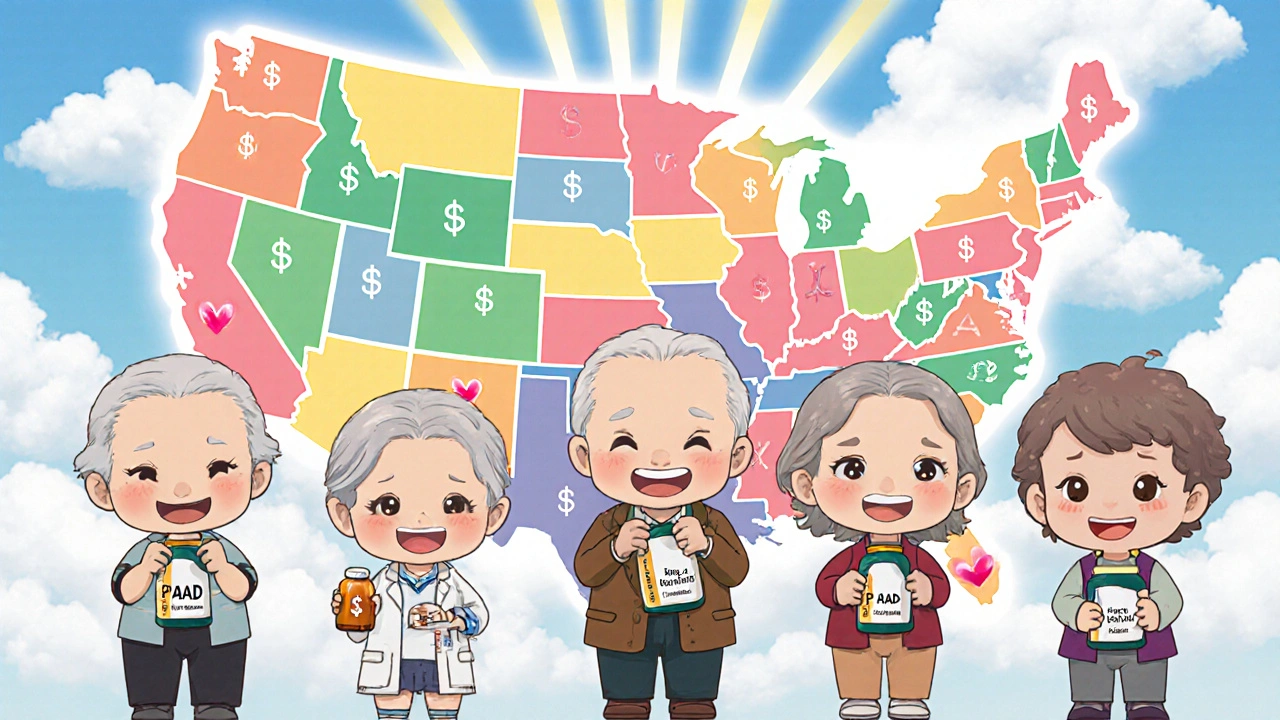
Government Medication Assistance Programs by State: What’s Available in 2025
28 Nov, 2025
In 2025, government medication assistance programs help millions of Americans afford prescriptions. Learn how Medicare Extra Help and state SPAPs work, who qualifies, and how to apply before you're left paying full price.
Antibiotics and Birth Control Pills: What Really Happens? Facts vs. Myths
26 Nov, 2025
Most antibiotics don't affect birth control pills - only rifampin, rifabutin, and griseofulvin do. Learn the facts, debunk the myths, and know exactly when you need backup contraception.
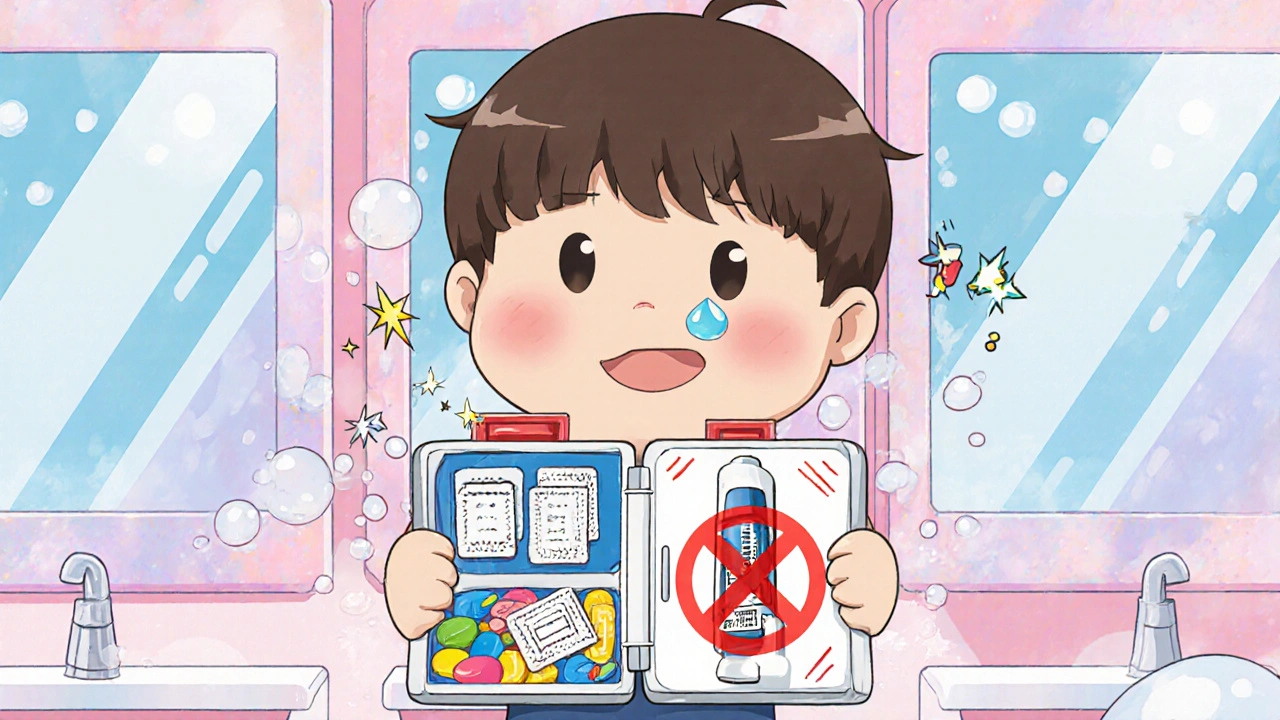
How to Decide When to Replace Expired OTC First-Aid Medications
24 Nov, 2025
Learn how to tell when expired OTC first-aid medications are still safe to use-and which ones you must replace immediately. Avoid risks and keep your first-aid kit reliable.
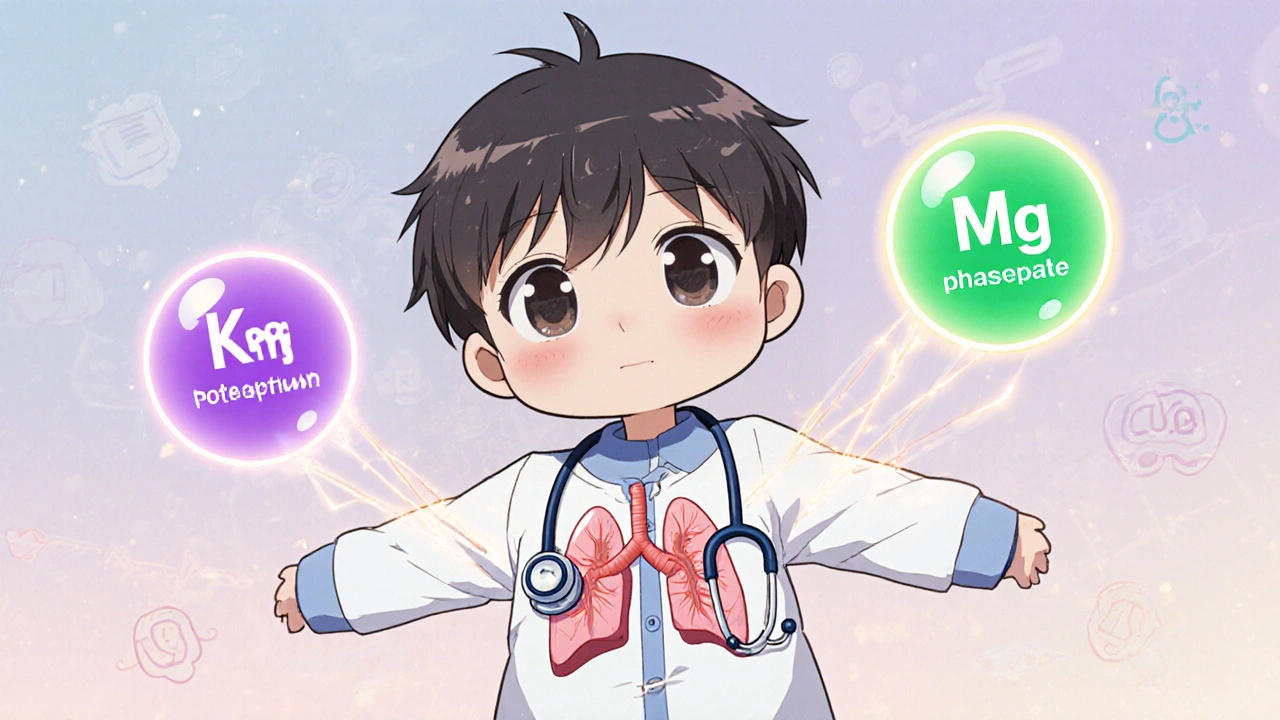
Electrolyte Imbalances: Managing Potassium, Phosphate, and Magnesium
22 Nov, 2025
Managing potassium, phosphate, and magnesium imbalances is critical in renal and critical care. Learn the correct sequencing, dosing, and monitoring to prevent life-threatening complications like arrhythmias and respiratory failure.
Antihistamines for Hives: What Works, What Causes Drowsiness, and What to Try Next
21 Nov, 2025
Antihistamines are the first treatment for hives, but not all work the same. Learn which ones reduce itching without drowsiness, why they sometimes stop working, and what to try next when pills aren't enough.
Inactive Ingredient Differences: Why Your Generic Medication May Feel Different
20 Nov, 2025
Switching to generic medication can cause unexpected side effects due to differences in inactive ingredients like lactose, dyes, or preservatives-even though the active drug is the same. Here’s what to watch for and how to stay safe.
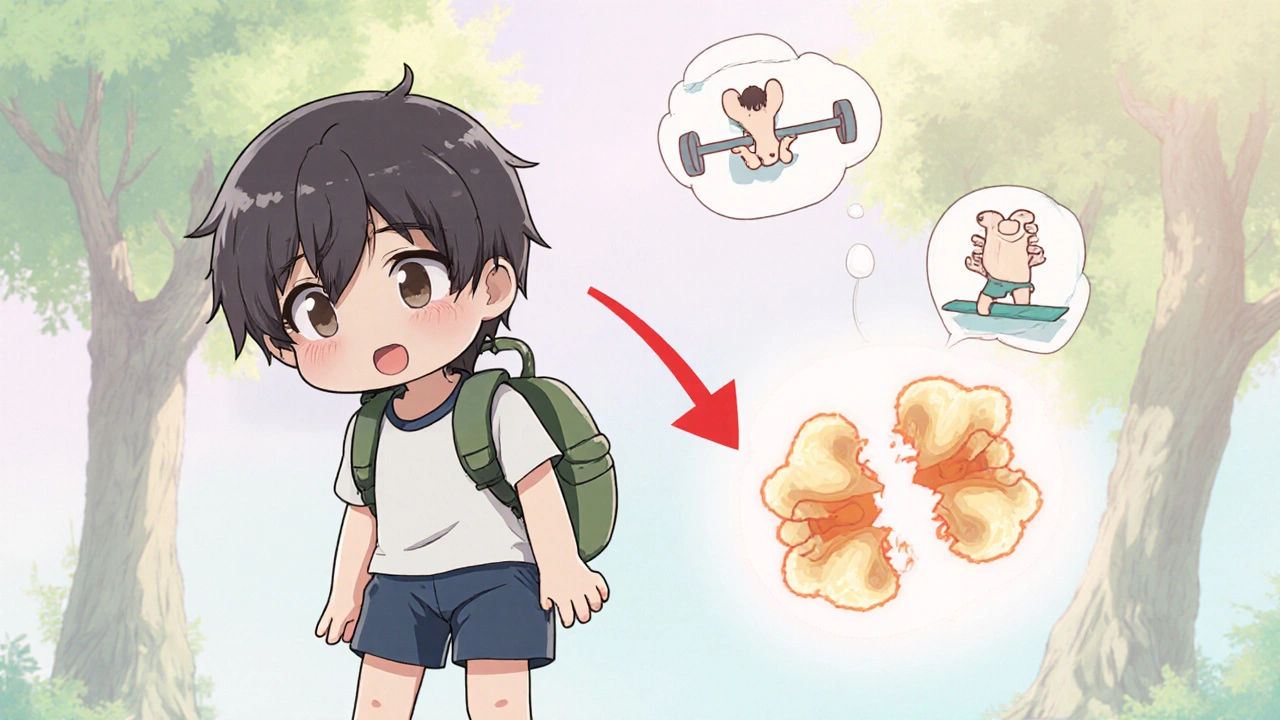
Spondylolisthesis: Understanding Back Pain, Instability, and When Fusion Might Be Needed
20 Nov, 2025
Spondylolisthesis causes lower back pain and instability due to a slipped vertebra. Learn how degeneration, sports injuries, and age contribute to this condition-and when fusion surgery may be the best option for lasting relief.
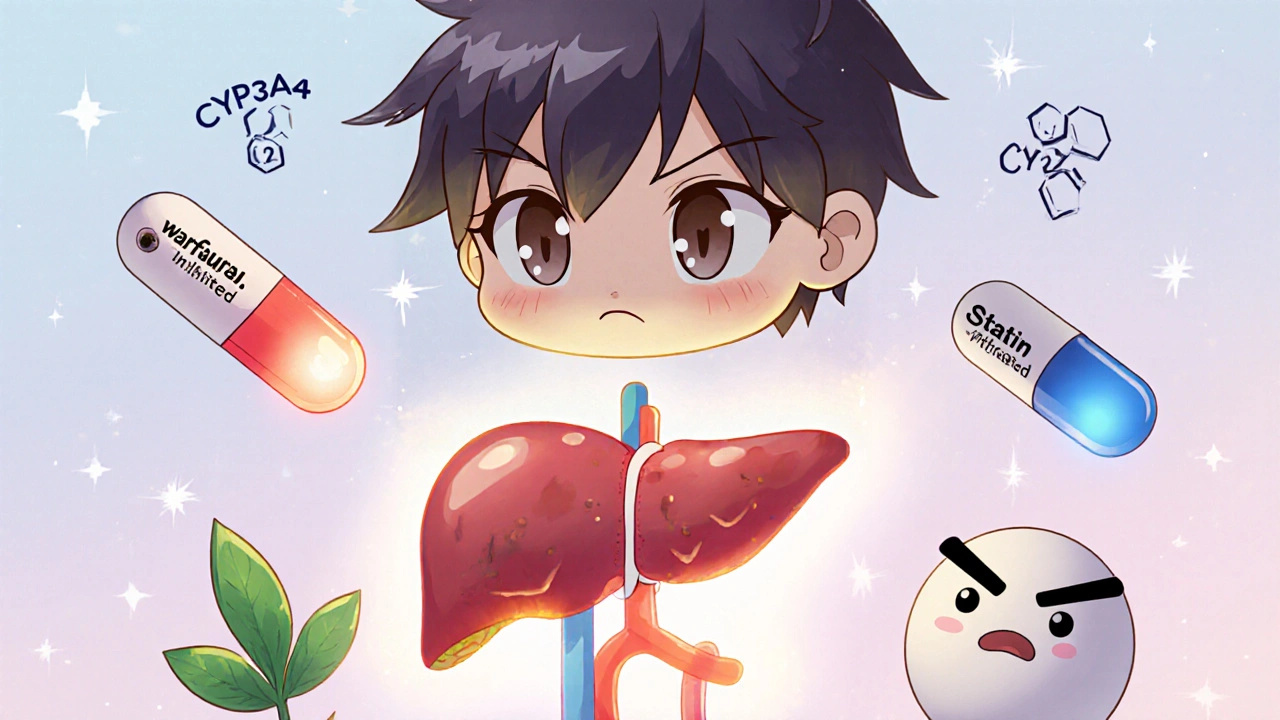
Milk Thistle and Liver-Metabolized Drugs: What You Need to Know About Enzyme Interactions
18 Nov, 2025
Milk thistle may help liver health, but it can interfere with how your body processes medications. Learn which drugs are affected, how interactions happen, and what to do to stay safe.
 by
by