Brand Name Drug Appeal: Why We Choose Name-Brand Medications and What It Really Means
When you walk into a pharmacy and ask for brand name drug appeal, the psychological and practical reasons people prefer name-brand medications over generics. Also known as pharmaceutical branding, it’s not just marketing—it’s deeply tied to how people experience their health. Many assume generics are identical, and for the most part, they are. But the gap between chemical equivalence and perceived effectiveness is wider than most realize.
Take generic medications, lower-cost versions of brand-name drugs with the same active ingredient. They’re required by law to work the same way. But if you’ve ever switched and felt different—drowsier, less effective, even nauseous—you’re not imagining it. Differences in inactive ingredients, fillers, dyes, or preservatives that don’t treat your condition but affect how the drug is absorbed can change how your body reacts. That’s why people keep reaching for the original package, even when it costs three times as much. It’s not irrational. It’s experience.
Then there’s the trust factor. Brand names have decades of advertising, doctor endorsements, and patient stories behind them. A pill with a familiar logo feels safer, even if the science says otherwise. And in cases like brand name drug appeal for chronic conditions—think blood thinners, thyroid meds, or epilepsy drugs—people aren’t willing to gamble. One study showed patients on warfarin were more likely to miss doses when switched to generics, not because the drug failed, but because they doubted it worked.
Pharmaceutical companies know this. They don’t just sell pills—they sell confidence. Limited-time discounts, patient support programs, and even pill shape and color are carefully chosen to reinforce loyalty. Meanwhile, the real cost of this appeal? Billions spent yearly on drugs that could be bought for a fraction of the price.
But here’s the thing: it’s not always about the brand. Sometimes, it’s about the system. If your insurance pushes generics, you might get one from a different manufacturer every month. That inconsistency can cause confusion, especially for seniors using pill packs, organized blister packaging that helps people take multiple meds on time. Switching generic brands means new pill colors, sizes, or markings—and that’s when mistakes happen.
And let’s not forget the emotional weight. For someone managing chronic pain, depression, or heart disease, a medication isn’t just chemistry. It’s stability. It’s hope. When a pill that once brought relief suddenly feels different, the fear isn’t just about side effects—it’s about losing control.
So what’s the answer? Not to abandon generics. Not to blindly trust brands. It’s to know your options. Check with your pharmacist if your generic changes. Ask if your drug has a narrow therapeutic index—like lithium or digoxin—where even small differences matter. Track how you feel after a switch. And if your doctor says it’s fine, but you still feel off? Speak up. Your experience matters more than any label.
Below, you’ll find real stories and science-backed advice on how brand names, generics, and inactive ingredients affect your health—from the woman who stopped sleeping after switching antidepressants, to the veteran who avoided a hospital visit by sticking to his brand-name blood pressure pill. These aren’t myths. They’re lived experiences. And they matter.
Insurance Appeals: Fighting Denials When a Generic Medication Doesn't Work
4 Dec, 2025
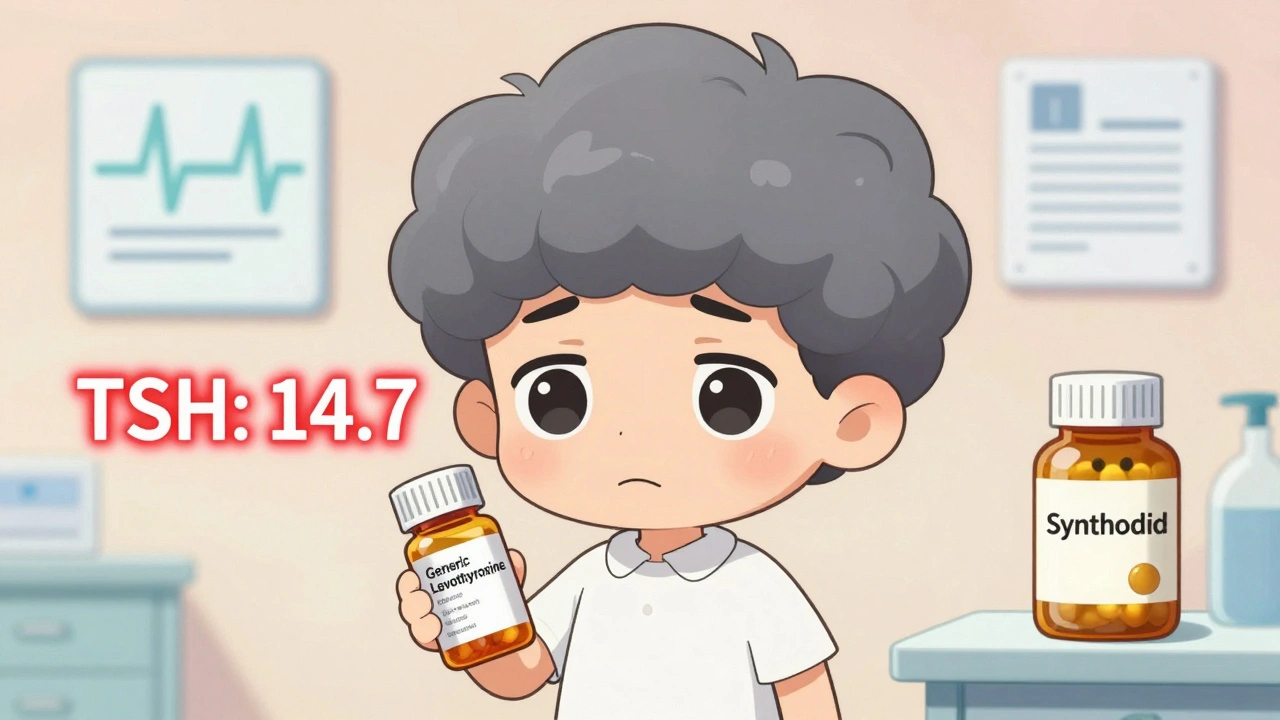
When a generic medication doesn't work for you, insurance denials can be frustrating and dangerous. Learn how to fight back with medical evidence, step-by-step appeals, and proven strategies to get your brand-name drug approved.
 by
by