Flonase: What It Is, How It Works, and What You Need to Know
When you’re stuck with a stuffy nose, itchy eyes, or constant sneezing from allergies, Flonase, a prescription-strength nasal spray containing the corticosteroid fluticasone. Also known as fluticasone propionate, it’s one of the most widely used treatments for year-round and seasonal allergies in the U.S. Unlike antihistamines that just block histamine, Flonase works deeper—it reduces inflammation in your nasal passages at the source. That’s why it takes a few days to kick in but lasts longer and works better for many people.
Flonase isn’t just for runny noses. It’s also used for chronic sinus issues, nasal polyps, and even some cases of non-allergic rhinitis. The active ingredient, fluticasone, a synthetic corticosteroid designed to target local inflammation without major systemic effects, is the same one found in asthma inhalers and skin creams—but delivered straight to your nasal lining. This targeted approach means fewer side effects than oral steroids. Still, it’s not harmless. Long-term use can cause nosebleeds, dryness, or, rarely, fungal infections. It doesn’t cause addiction like decongestant sprays, but stopping it suddenly can make symptoms rebound.
People often mix up Flonase with over-the-counter options like Nasacort or Zyrtec. Nasacort, another corticosteroid nasal spray, has the same class of drug but different chemistry. Zyrtec, on the other hand, is an antihistamine pill—faster acting but less effective for severe congestion. Flonase shines when you need lasting relief from swelling, not just sneezing. It’s also safe for kids as young as two, though dosing changes with age.
What you won’t find in most ads is how Flonase interacts with other meds. If you’re on blood thinners, antifungals, or HIV meds, your body might process fluticasone differently. It’s not a big risk for most, but if you’ve had steroid side effects before—like mood swings, high blood sugar, or cataracts—you should talk to your doctor. Also, don’t use it if you’ve had recent nasal surgery or an untreated infection.
What’s in the posts below? You’ll find real-world stories and facts about how Flonase fits into daily life: how it compares to other nasal sprays, what people miss about proper usage, why some stop using it too soon, and how it connects to broader issues like medication safety, expired drugs, and even biotin interference in lab tests. Some posts cover how inactive ingredients in generics might affect you. Others explain how corticosteroids work under the skin—and why they’re not the same as the ones athletes abuse. This isn’t just about one spray. It’s about understanding how your body reacts to long-term medication, what to watch for, and how to use it right.
Nasal Congestion from Medications: How to Break the Cycle and Find Relief
30 Nov, 2025
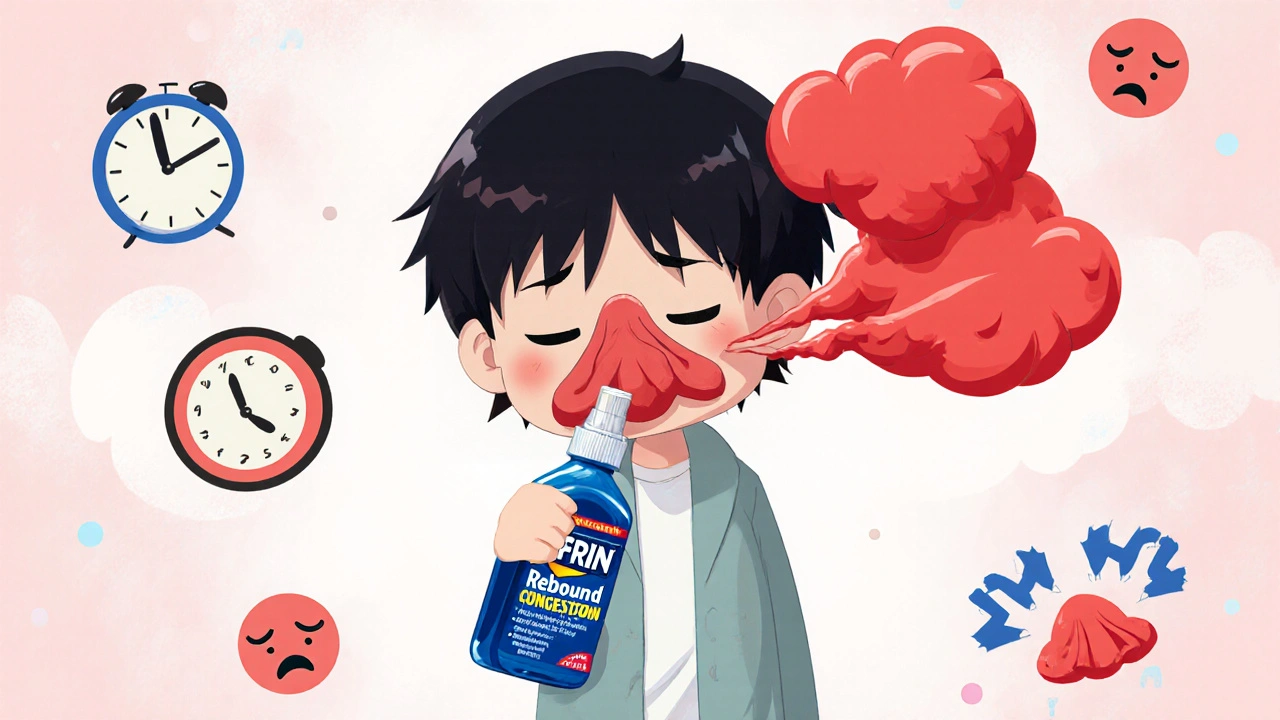
Nasal congestion from overusing decongestant sprays is called rebound congestion. Learn how to stop the cycle, use corticosteroids like Flonase, and recover safely without surgery or dependency.
 by
by