Pediatric Dosing Errors: What Parents and Providers Need to Know
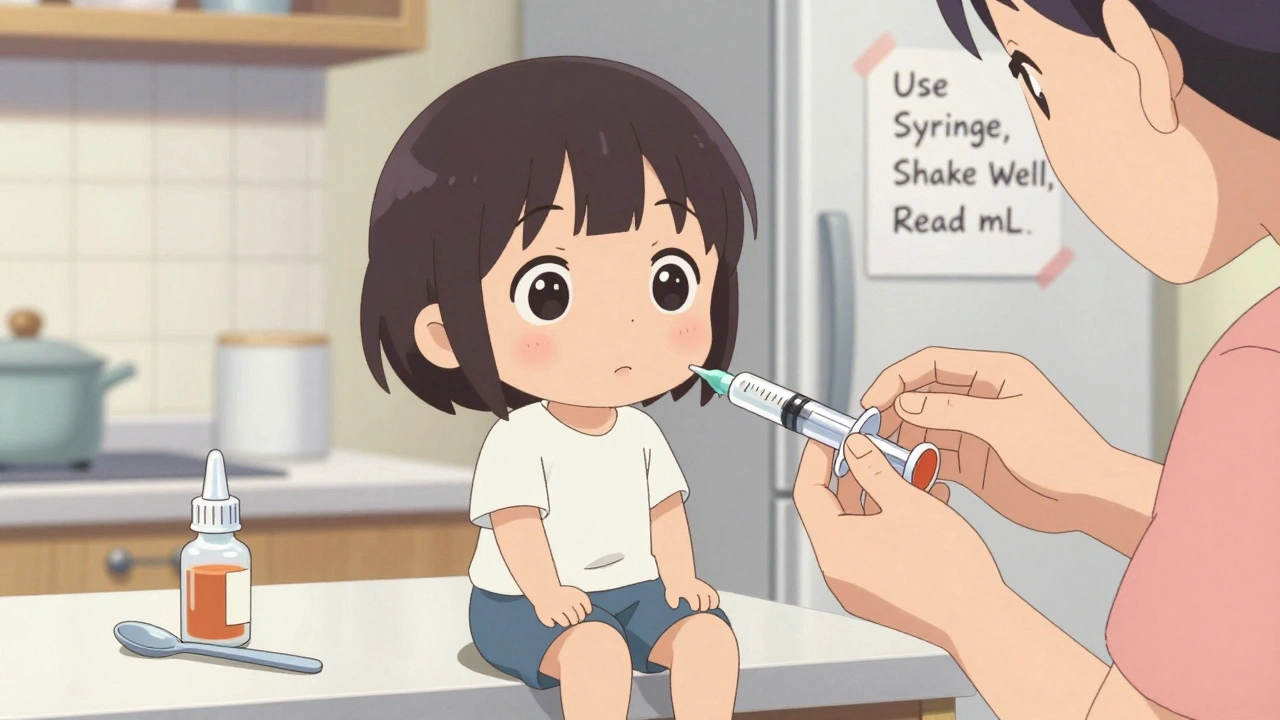
When it comes to giving medicine to kids, pediatric dosing errors, mistakes in the amount, frequency, or form of medication given to children. Also known as child medication errors, these aren’t just rare accidents—they’re one of the most common reasons kids end up in emergency rooms because of drugs. A child’s body doesn’t just shrink down from an adult’s. Their liver, kidneys, and brain process medicine differently, and even a tiny mistake—like using a kitchen spoon instead of a syringe—can turn a safe dose into a dangerous one.
Most pediatric dosing errors, mistakes in the amount, frequency, or form of medication given to children. Also known as child medication errors, these aren’t just rare accidents—they’re one of the most common reasons kids end up in emergency rooms because of drugs. happen because of confusion over units. Parents mix up milligrams and milliliters. They use the wrong measuring tool. Or they assume that because a medicine looks the same, it’s the same strength. liquid medicine mistakes, incorrect measurement of oral liquid medications in children. Also known as oral dosing errors, these are especially common with fever reducers like acetaminophen and ibuprofen. One teaspoon too much can overload a child’s liver. One drop too little might mean the fever doesn’t break. And wrong dosage kids, giving a child too much or too little medication due to miscalculation or misunderstanding. Also known as incorrect pediatric dosage, these errors often come from outdated charts, misread labels, or copying doses from siblings.
It’s not just parents. Even some healthcare providers still rely on old weight-based formulas or skip double-checks under pressure. The result? Kids get the wrong dose of antibiotics, seizure meds, or heart drugs—medications where the line between help and harm is razor-thin. That’s why knowing the basics matters: always use the tool that comes with the medicine, never guess a dose, and never reuse a syringe from another bottle. If you’re unsure, ask twice. Write it down. Take a picture of the label. These aren’t extra steps—they’re safety nets.
What you’ll find below isn’t theory. It’s real advice from parents who’ve been there, pharmacists who’ve cleaned up the messes, and doctors who’ve seen the consequences. From how to avoid the most common mistakes with fever meds to why some generics feel different in kids, these posts give you the tools to spot risks before they happen. No jargon. No fluff. Just what you need to keep your child safe when medicine is involved.
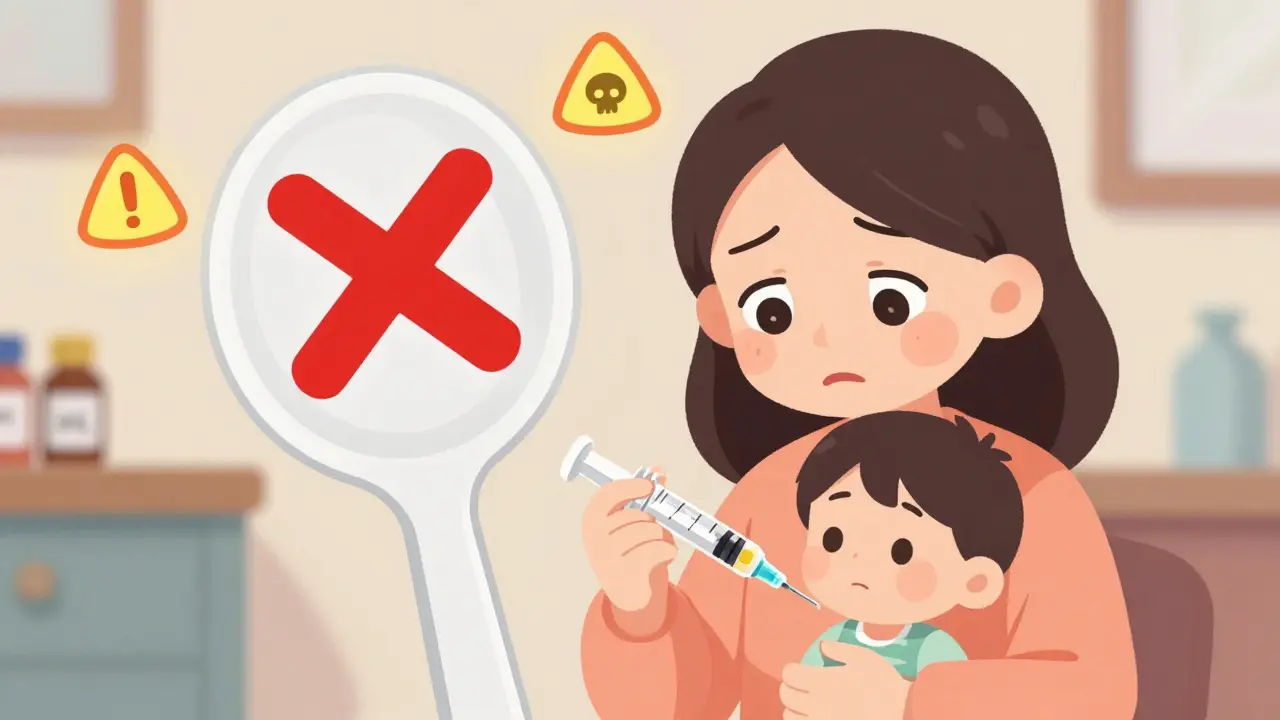
Never Use Household Spoons for Children’s Medicine Dosing
11 Mar, 2026
Using household spoons to give children medicine can lead to dangerous overdoses or underdoses. Always use an oral syringe or dosing cup marked in milliliters (mL) for accurate, safe dosing.
How to Measure Children’s Medication Doses Correctly at Home
9 Dec, 2025
Learn how to measure children's liquid medication accurately at home using oral syringes and milliliters only. Avoid dangerous dosing errors with proven steps, tools, and expert tips.
 by
by