Rhinitis Medicamentosa: What It Is, Why It Happens, and How to Stop It
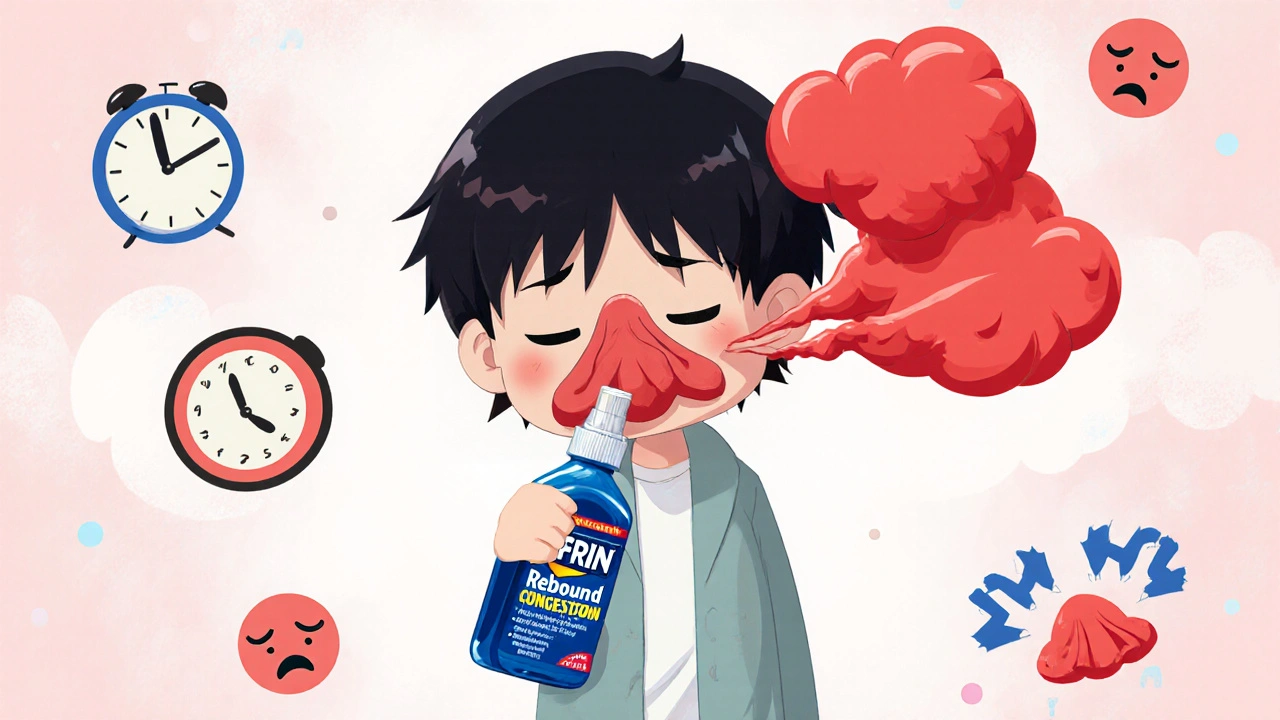
When you reach for that nasal spray every day because your nose won’t stay clear, you might be stuck in a cycle called rhinitis medicamentosa, a condition caused by overuse of topical nasal decongestants that leads to worsening congestion. Also known as rebound congestion, it’s not an allergy or infection—it’s your nose’s reaction to the very thing you’re using to fix it. This isn’t rare. Millions use OTC nasal sprays like oxymetazoline or phenylephrine thinking they’re helping, but after a few days, the relief fades—and the stuffiness comes back even worse. Your nasal passages start relying on the spray just to stay open, and without it, they swell shut.
This problem ties directly to how nasal decongestant sprays work. They shrink blood vessels in your nose for quick relief, but when you use them longer than 3–5 days, your body fights back. The blood vessels become less responsive, then overcompensate by staying wide open all the time. That’s why your nose feels blocked even when you’re not sick. It’s not your sinuses—it’s your body’s response to the spray. And the more you use it, the harder it becomes to quit. Many people don’t realize they have rhinitis medicamentosa, a medication-induced condition that mimics chronic rhinitis until they try to stop and crash. Even some doctors miss it because the symptoms look like a cold or allergies.
Breaking the cycle isn’t easy, but it’s possible. You can’t just stop cold turkey—you’ll feel awful for days. The best approach is to taper off slowly, use saline rinses to soothe the lining, and sometimes switch to a steroid nasal spray under a doctor’s care. nasal decongestant spray, a common OTC remedy that can trigger dependency when used beyond recommended limits is meant for short-term relief, not daily maintenance. If you’ve been using it for weeks or months, you’re not alone, but you’re also not stuck. Many people get through this with the right plan.
What you’ll find in the posts below are real, practical stories and guides about managing medication side effects, avoiding dependency, and finding safer alternatives. From how expired drugs lose potency to how inactive ingredients can change how your body reacts, these articles help you understand why some fixes make things worse—and what actually works instead. You’ll see how nasal spray dependency, a pattern of overuse leading to worsening symptoms fits into the bigger picture of how medications interact with your body over time. No fluff. No hype. Just clear steps to take back control of your breathing.
Nasal Congestion from Medications: How to Break the Cycle and Find Relief
30 Nov, 2025
Nasal congestion from overusing decongestant sprays is called rebound congestion. Learn how to stop the cycle, use corticosteroids like Flonase, and recover safely without surgery or dependency.
 by
by