State Medication Assistance: How to Get Help Paying for Prescriptions
When you’re struggling to afford your meds, state medication assistance, government-backed programs that help low-income individuals pay for prescription drugs. Also known as prescription assistance programs, these aren’t optional perks—they’re lifelines for people choosing between food and insulin. Every state runs its own version, often tied to Medicaid, Medicare Part D, or standalone drug aid funds. These programs don’t just cover expensive brand-name drugs—they help with generics too, from blood pressure pills to asthma inhalers and antidepressants.
What makes state medication assistance, government-backed programs that help low-income individuals pay for prescription drugs. Also known as prescription assistance programs, these aren’t optional perks—they’re lifelines for people choosing between food and insulin. different from pharmacy discounts or manufacturer coupons? They’re legally binding, income-based, and often cover drugs that insurers refuse. If you’re on Social Security, have a chronic illness like diabetes or kidney disease, or just make too much for Medicaid but too little to afford your co-pays, you’re likely eligible. Many people don’t apply because they think the process is too complicated. But most states let you apply online in under 15 minutes. You’ll need proof of income, a list of your meds, and sometimes a doctor’s note—but not a lawyer.
Related entities like Medicaid, a joint federal and state program that provides health coverage to low-income individuals and Medicare Part D, the federal prescription drug benefit program for seniors and disabled people often overlap with state aid. If you’re on Medicare, you might qualify for Extra Help—the federal program that lowers Part D costs—which many states supplement with additional rebates. For those under 65, state pharmaceutical assistance programs (PAPs) can fill gaps where insurance falls short. And if you’re uninsured? You’re not out of luck. Most states have special funds just for people without coverage.
Don’t assume you don’t qualify. Even if you make $50,000 a year in a high-cost state, you might still qualify for help with expensive drugs like biologics or cancer treatments. These programs don’t just reduce out-of-pocket costs—they prevent dangerous choices like skipping doses, cutting pills in half, or buying meds from unsafe online sources. The posts below show real cases: how expired drugs can be deadly, why generic switches sometimes backfire, and how biotin supplements can mess with lab tests. All of these issues get worse when you can’t afford your meds. State medication assistance isn’t charity—it’s a safety net designed to keep people alive.
Below, you’ll find practical guides on managing medications safely, understanding drug interactions, and spotting when your prescriptions need replacing. These aren’t theoretical tips—they’re the kind of advice people use when they’re one missed paycheck away from going without. Whether you’re helping yourself or a parent, this collection gives you the tools to navigate the system, avoid hidden risks, and get the meds you need without breaking the bank.
Government Medication Assistance Programs by State: What’s Available in 2025
28 Nov, 2025
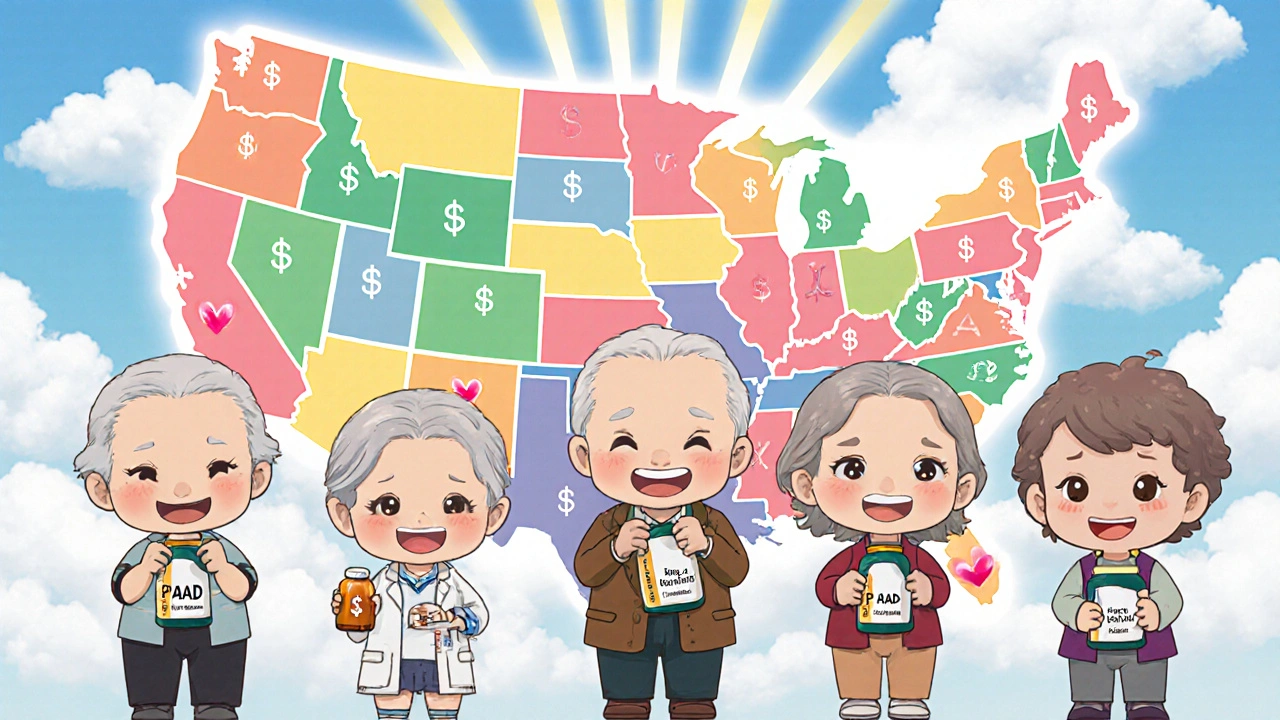
In 2025, government medication assistance programs help millions of Americans afford prescriptions. Learn how Medicare Extra Help and state SPAPs work, who qualifies, and how to apply before you're left paying full price.
 by
by