Dispose Medications Safely: How to Get Rid of Old Pills Without Risk
When you dispose medications safely, the proper removal of unused or expired drugs to prevent harm to people, pets, and the environment. Also known as drug disposal, it’s not just about cleaning out your medicine cabinet—it’s about stopping pills from ending up in water supplies, falling into the wrong hands, or poisoning someone by accident. Every year, millions of unused prescriptions sit in drawers, bathrooms, and kitchens. Many people flush them, toss them in the trash, or just forget about them. But those habits carry real risks.
Medications like opioids, antidepressants, or heart drugs can be deadly if found by children, teens, or pets. Even over-the-counter pills like ibuprofen or acetaminophen can cause harm in the wrong doses. And when you flush pills down the toilet or throw them in the trash without mixing them with something unappealing, those chemicals can leak into soil and water. The environmental impact, the contamination of water systems and ecosystems by pharmaceutical residues is real. Studies show trace amounts of drugs like estrogen, antibiotics, and painkillers in rivers and drinking water. It’s not just a distant problem—it’s in your tap.
Thankfully, there are simple, safe ways to handle this. The best option? take-back programs, official drug collection events or drop boxes run by pharmacies, hospitals, or law enforcement. Many pharmacies, especially big chains, have secure drop boxes where you can leave unused pills year-round. Police stations often have them too. These programs ensure drugs are incinerated properly—no leaks, no contamination. If that’s not available near you, the FDA recommends mixing pills with kitty litter, coffee grounds, or dirt, sealing them in a plastic bag, and tossing them in the trash. Never rinse pills down the sink or flush them unless the label says to.
Some medications, like fentanyl patches or certain opioids, are dangerous enough that the FDA says you should flush them immediately if no take-back is nearby. But those are rare exceptions. For most people, mixing and trashing is enough. Don’t forget to scratch out your name and prescription info on the bottle before recycling it. And if you’re cleaning out your medicine cabinet, check expiration dates. Expired meds like nitroglycerin, insulin, or antibiotics can lose potency or even turn toxic. You don’t need to keep them.
What you find in the posts below isn’t just a list of how to throw away pills. It’s a full picture of what happens when you don’t. You’ll see how expired drugs can fail when you need them most, how biotin supplements mess with lab tests, why narrow therapeutic index drugs like warfarin can’t be trusted past their date, and how seniors use pill packs to stay safe. These stories connect because they all start with one thing: managing your medications responsibly. Whether you’re clearing out old antibiotics, helping a parent organize their meds, or just wondering what to do with that leftover painkiller—this collection gives you the facts, not the fluff. No guesswork. No myths. Just what works.
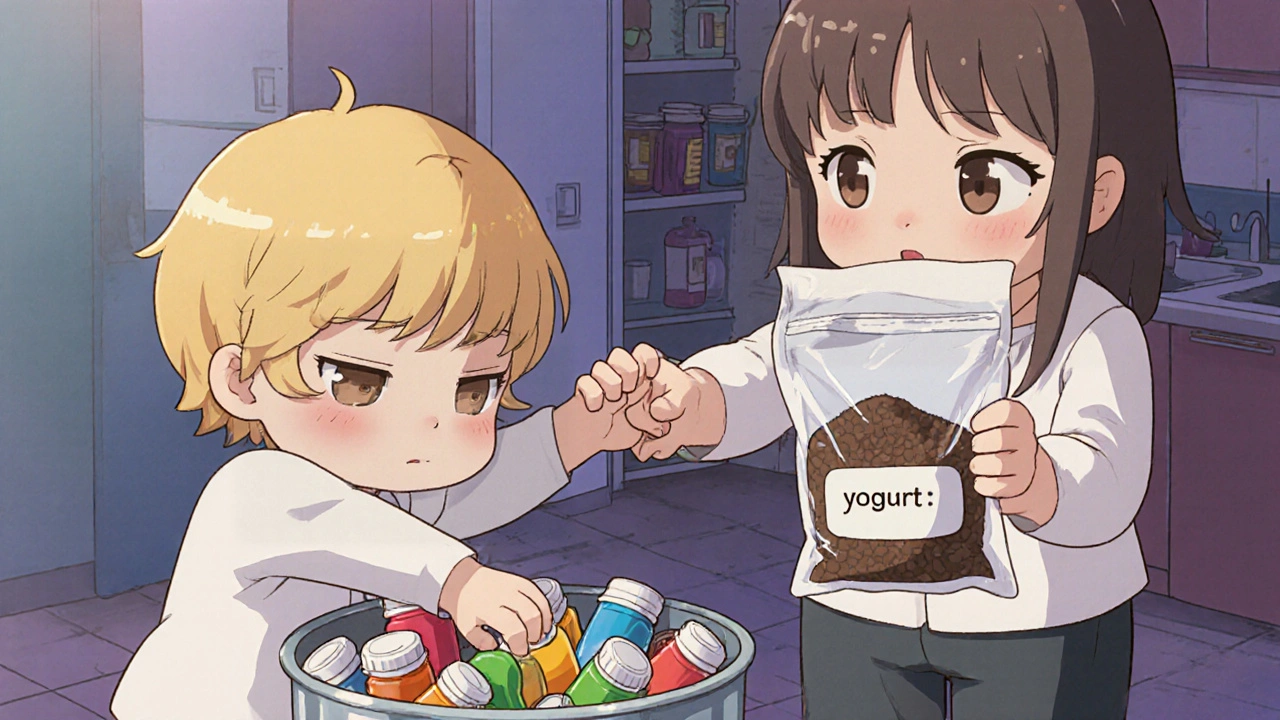
How to Safely Dispose of Medications in Household Trash: Step-by-Step Guide
29 Nov, 2025
Learn how to safely dispose of expired or unused medications in household trash using FDA-approved steps. Protect your family, privacy, and environment with this simple 5-step guide.
 by
by