Drug Exclusivity: What It Means and How It Affects Your Medication Options
When you hear drug exclusivity, a period during which the FDA blocks other companies from selling generic or similar versions of a brand-name drug. Also known as market exclusivity, it’s not the same as a patent—but it can be just as powerful in keeping prices high. This system exists to reward companies for developing new medicines, but it also means you might pay more for years longer than you expect.
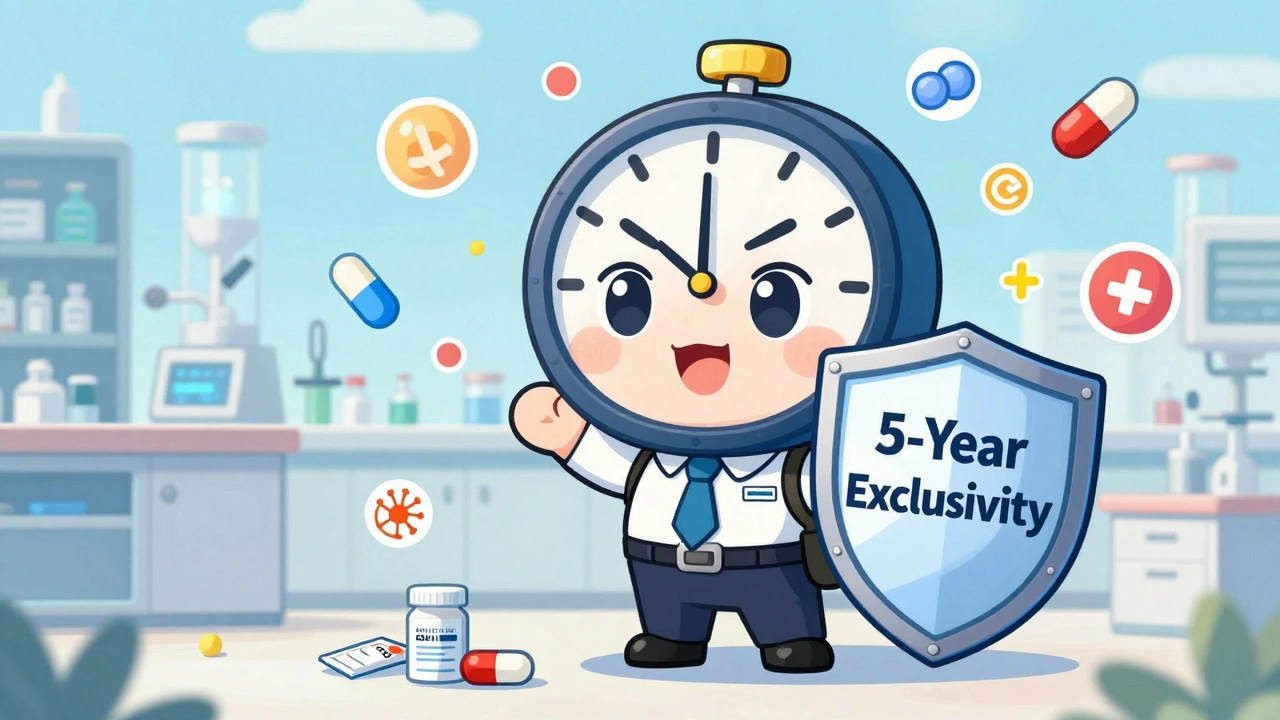
Drug exclusivity applies differently depending on the type of medicine. For example, biologics, complex drugs made from living cells like insulin or rheumatoid arthritis treatments, get 12 years of exclusivity in the U.S. That’s way longer than the 5 years given to new chemical drugs. Even after that time, biosimilars—close but not identical copies—still face hurdles before they’re widely accepted. Meanwhile, generic medications, identical copies of brand-name drugs that become available after exclusivity ends, can cut costs by 80% or more. But if exclusivity is extended through legal loopholes or new formulations, you might never see those savings.
Here’s the real impact: if your insurance won’t cover the brand-name version and the generic isn’t available yet, you’re stuck paying full price. That’s why so many people end up filing insurance appeals when a generic doesn’t work for them—or why some switch to generics only to notice side effects from inactive ingredients, fillers like lactose or dyes that differ between brands. These aren’t just minor details. They’re part of the bigger picture of how exclusivity shapes your daily health choices.
Drug exclusivity also affects how quickly new treatments reach people. A drug for a rare disease might get 7 years of exclusivity just because few patients need it. That’s meant to encourage development—but it also means access is limited. And when companies tweak a drug slightly to reset the clock—like changing the pill shape or adding a new delivery method—it’s called "evergreening." It’s legal, but it keeps generics out longer than many expect.
What you’ll find below are real stories and practical guides from people who’ve dealt with these issues firsthand. From fighting insurance denials after a generic failed, to understanding why a new generic made them feel different, to learning how to spot when exclusivity is being stretched too far—these posts cut through the jargon. You’ll see how drug exclusivity isn’t just a policy term. It’s the reason your prescription costs what it does, why your doctor might hesitate to switch you, and how you can take control when the system doesn’t work for you.
Regulatory Exclusivity: How Non-Patent Protections Delay Generic Drugs
6 Dec, 2025
Regulatory exclusivity gives drugmakers exclusive market rights for 5 to 12 years after FDA approval, blocking generics even after patents expire. It's a key driver of drug pricing and innovation incentives.
 by
by