FDA Exclusivity: What It Means for Drug Prices and Generic Access
When you hear FDA exclusivity, a period of market protection granted by the U.S. Food and Drug Administration to drug manufacturers, separate from patents. Also known as market exclusivity, it's not the same as a patent—but it can be just as powerful in blocking generics from reaching the market. This rule lets a company sell a new drug without competition for a set time, even if no patent exists. It’s why your prescription might cost $500 for months after launch, even when the active ingredient is simple.
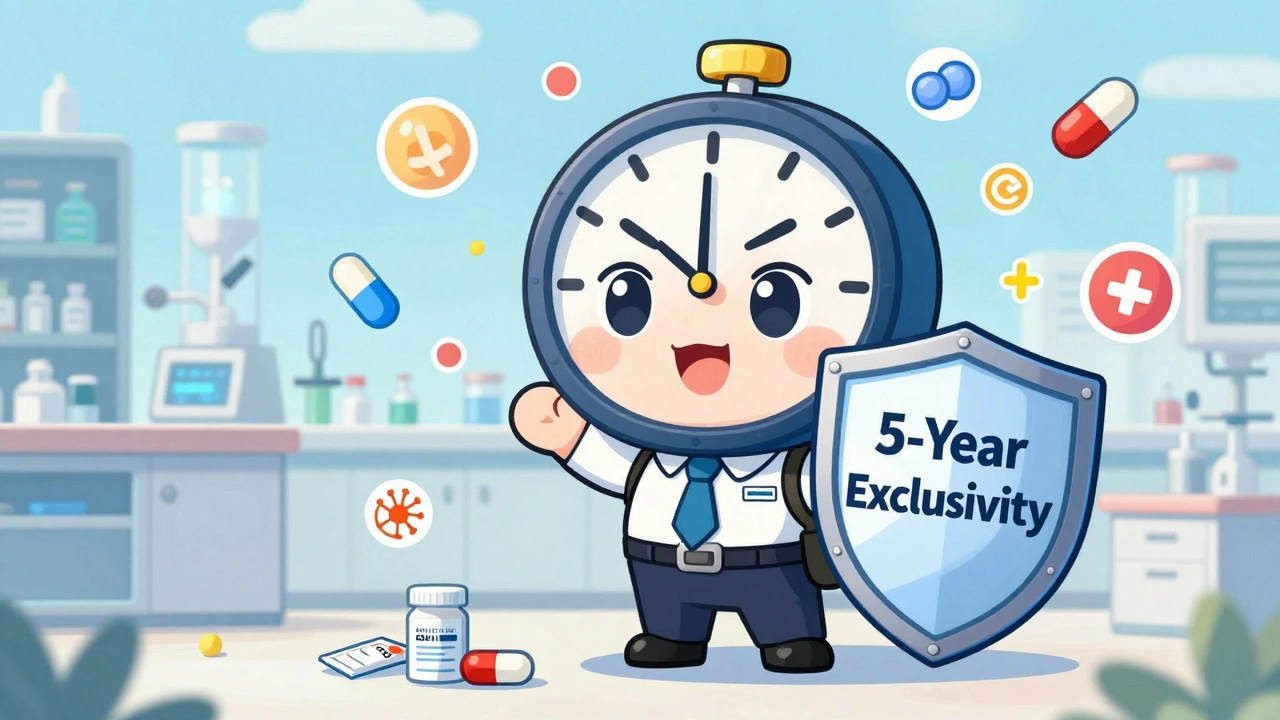
FDA exclusivity isn’t one-size-fits-all. It comes in different flavors depending on the drug. For new chemical entities, it’s usually five years. For orphan drugs—those treating rare diseases—it’s seven years. And if a company does new clinical studies for a pediatric use, they can get an extra six months. These rules are built into the law, not just company policy. You’ll see this in posts about generic medications, lower-cost versions of brand-name drugs that enter the market after exclusivity ends and why some people struggle to get insurance to cover their brand-name drug even after generics are available. It’s also why switching to a generic might feel different—sometimes it’s not the active ingredient, but the inactive ingredients, fillers, dyes, or preservatives in a drug that can affect how it works for some people that cause the issue.
When exclusivity ends, generics can flood in. But that doesn’t mean prices drop right away. Insurance companies often push generics hard, but if your body reacts poorly to a particular generic brand, fighting the denial isn’t just paperwork—it’s health. That’s why posts on insurance appeals, the process of challenging a drug coverage denial with medical evidence and therapeutic equivalence, whether two drugs work the same way in the body matter so much. You’re not just fighting a system—you’re protecting your treatment. And if you’re on a drug with a narrow therapeutic index, a small difference in dosage that can cause serious harm, like warfarin or lithium, even a tiny shift in formulation during a switch can be risky. That’s why monitoring your health after switching matters.
What you’ll find below are real stories and practical guides from people who’ve dealt with these gaps. From how to challenge a denied generic appeal, to why your pill looks different this month, to what to do when your insurance won’t cover the version that actually works for you. These aren’t theory pieces—they’re tools for navigating a system where exclusivity shapes what’s affordable, what’s available, and sometimes, what keeps you alive.
Regulatory Exclusivity: How Non-Patent Protections Delay Generic Drugs
6 Dec, 2025
Regulatory exclusivity gives drugmakers exclusive market rights for 5 to 12 years after FDA approval, blocking generics even after patents expire. It's a key driver of drug pricing and innovation incentives.
 by
by