Generic Medication Failure: Why Some Pills Don't Work and What to Do
When a generic medication, a lower-cost version of a brand-name drug with the same active ingredient. Also known as generic drug, it is supposed to work just like the original. stops working for you, it’s not in your head. Many assume generics are exact copies—but they’re not. The active ingredient matches, yes, but the rest? That’s where things get messy. Generic medication failure happens more often than people admit, and it’s not always about potency. Sometimes it’s the fillers, the dyes, or how fast the pill breaks down in your stomach.
One big reason people feel different on generics is inactive ingredients, non-active components like lactose, cornstarch, or artificial colors that help form the pill.. A generic made in India might use a different binder than the one made in the U.S., and that tiny change can affect how your body absorbs the drug. For someone with a sensitive gut, a little extra lactose can mean bloating—or worse, a drop in effectiveness. Then there’s therapeutic equivalence, the official measure of whether a generic performs the same as the brand-name version in the body.. The FDA says generics must be within 80–125% of the brand’s absorption rate. That’s a wide range. For drugs like warfarin or lithium, where a 10% difference can cause bleeding or seizures, that gap matters.
Switching between generic brands can also trigger problems. You might take one generic for months without issue, then get a new batch from a different manufacturer—and suddenly your blood pressure spikes, your anxiety returns, or your migraines come back. It’s not you. It’s the pill. And most doctors won’t even ask if you’ve switched brands. They assume all generics are equal. But if your body reacts to a change, it’s not just "in your head." It’s biology.
Some people blame side effects on generics when it’s really the change in formulation. A new coating might dissolve slower. A different lubricant might slow absorption. Even the size or shape of the pill can affect how easily you swallow it—and whether you spit it out without realizing. These aren’t bugs. They’re design choices. And they’re rarely tested on real people with real conditions.
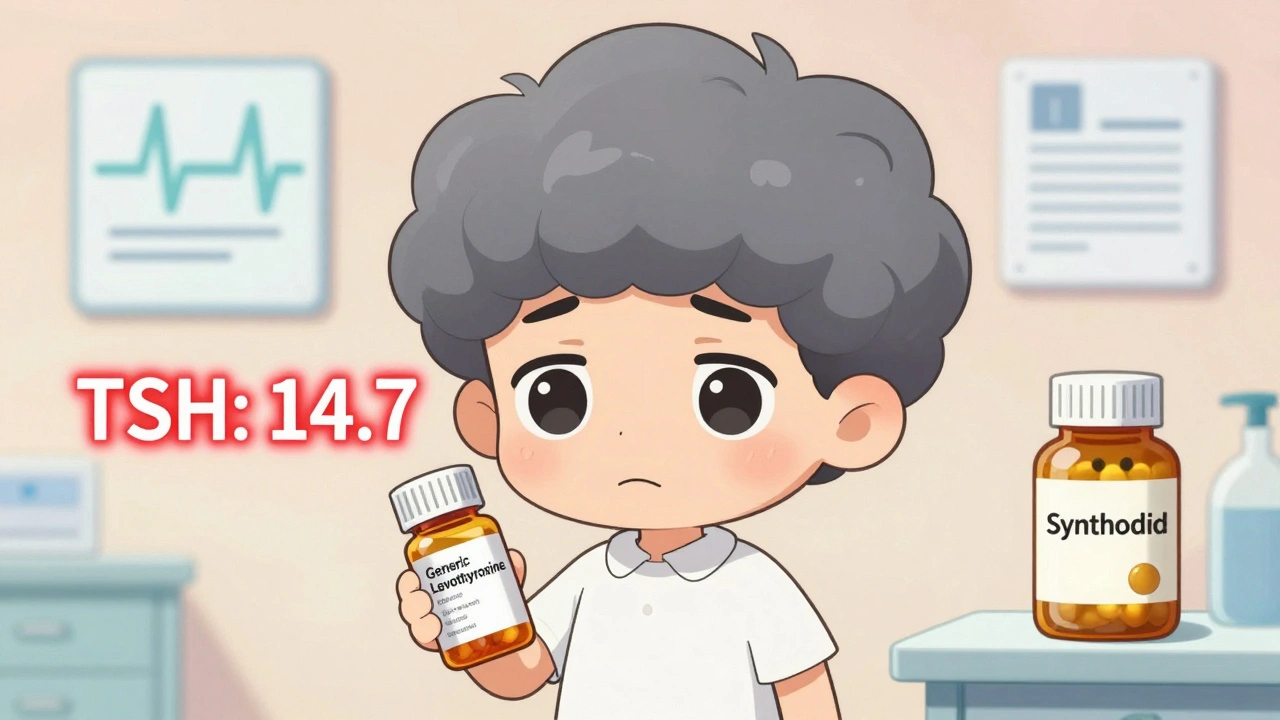
If you’ve noticed a change after switching to a generic—whether it’s worse symptoms, new side effects, or just feeling "off"—track it. Write down when you switched, what brand you got, and what changed. Bring it to your doctor. Ask for the manufacturer name on the bottle. Some states let you request the brand-name version if generics fail you. And if you’re on a high-risk medication like thyroid drugs, epilepsy meds, or blood thinners, don’t accept "it’s the same" as an answer. It’s not always the same. Not really.
The posts below dig into exactly what causes these shifts, who’s most at risk, and how to spot the warning signs before your health takes a hit. You’ll find real stories, science-backed fixes, and the hidden rules about generics that pharmacies don’t tell you. No fluff. Just what you need to stay in control.
Insurance Appeals: Fighting Denials When a Generic Medication Doesn't Work
4 Dec, 2025
When a generic medication doesn't work for you, insurance denials can be frustrating and dangerous. Learn how to fight back with medical evidence, step-by-step appeals, and proven strategies to get your brand-name drug approved.
 by
by