Household Trash Medication: Safe Disposal and Hidden Risks
When you throw household trash medication, unused or expired pills and liquids discarded in regular garbage. Also known as pharmaceutical waste, it’s one of the most overlooked environmental hazards in homes. Flushing or tossing meds isn’t just lazy—it’s dangerous. The EPA estimates over 20% of Americans still dump old prescriptions in the trash, where they leach into soil and water systems, contaminating drinking sources and harming wildlife. Even a single pill can disrupt aquatic life for years.
Medications in landfills don’t just disappear. They break down slowly, and some, like antibiotics or hormones, don’t break down at all. This isn’t just an issue for the environment—it’s a public health problem. Water treatment plants aren’t designed to filter out complex drug compounds. That’s why trace amounts of antidepressants, birth control pills, and painkillers show up in rivers and even tap water. And if you’re using drug take-back programs, official collection sites run by pharmacies, hospitals, or law enforcement. Also known as medication disposal events, they provide a secure way to return unused drugs, you’re already doing the right thing. These programs keep meds out of landfills and incinerators, where they could be misused or pollute the air.
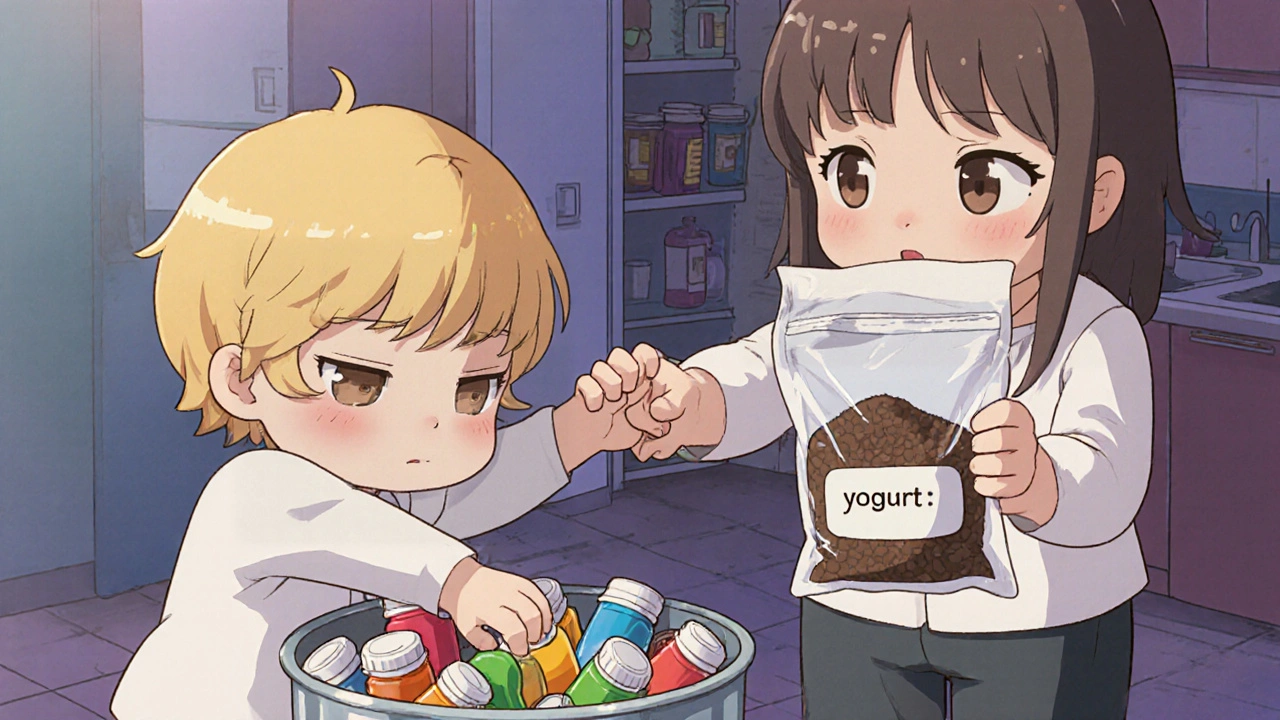
Not all expired meds are the same. Some, like expired medications, drugs past their labeled use-by date that may lose potency or become unstable, are harmless if tossed—like old antihistamines. But others, like opioids, seizure meds, or chemotherapy drugs, can be deadly if found by kids or pets. The FDA warns that even a single tablet of fentanyl or nitroglycerin can be fatal if ingested accidentally. That’s why proper disposal isn’t optional—it’s a responsibility. If you don’t have access to a take-back bin, the next best option is to mix pills with coffee grounds or cat litter in a sealed container before tossing them. Never crush or flush unless the label says so.
Why do so many people still toss meds in the trash? It’s simple: they don’t know better. Most don’t realize that pharmacies, police stations, and even some mail-back envelopes offer free, safe disposal. And many think expiration dates mean the drug is useless—when really, it just means the manufacturer can’t guarantee full strength. But safety isn’t about potency. It’s about keeping dangerous substances away from the wrong hands. Whether it’s a grandkid rummaging through a bathroom cabinet or a stray dog digging through a trash can, the risk is real.
What you’ll find below are practical guides on how to handle every kind of medication you might have sitting around your home. From how to tell if a pill is still safe to use, to where to drop off unused antibiotics, to why biotin supplements can mess with lab tests even after you stop taking them—this collection covers the real-world details you won’t get from a drug label. No fluff. No theory. Just what you need to know to protect your family and the planet.
How to Safely Dispose of Medications in Household Trash: Step-by-Step Guide
29 Nov, 2025
Learn how to safely dispose of expired or unused medications in household trash using FDA-approved steps. Protect your family, privacy, and environment with this simple 5-step guide.
 by
by