Children's Medication Dosing: Safe Ways to Give Pills, Syrups, and Drops to Kids
When it comes to children's medication dosing, the precise amount of medicine given to a child based on weight, age, and condition. Also known as pediatric drug dosing, it's one of the most critical but misunderstood parts of home care. A wrong dose—even a little too much—can turn a harmless pill into a danger. Unlike adults, kids don't just need smaller amounts; their bodies process drugs differently, and their safety margins are much tighter.
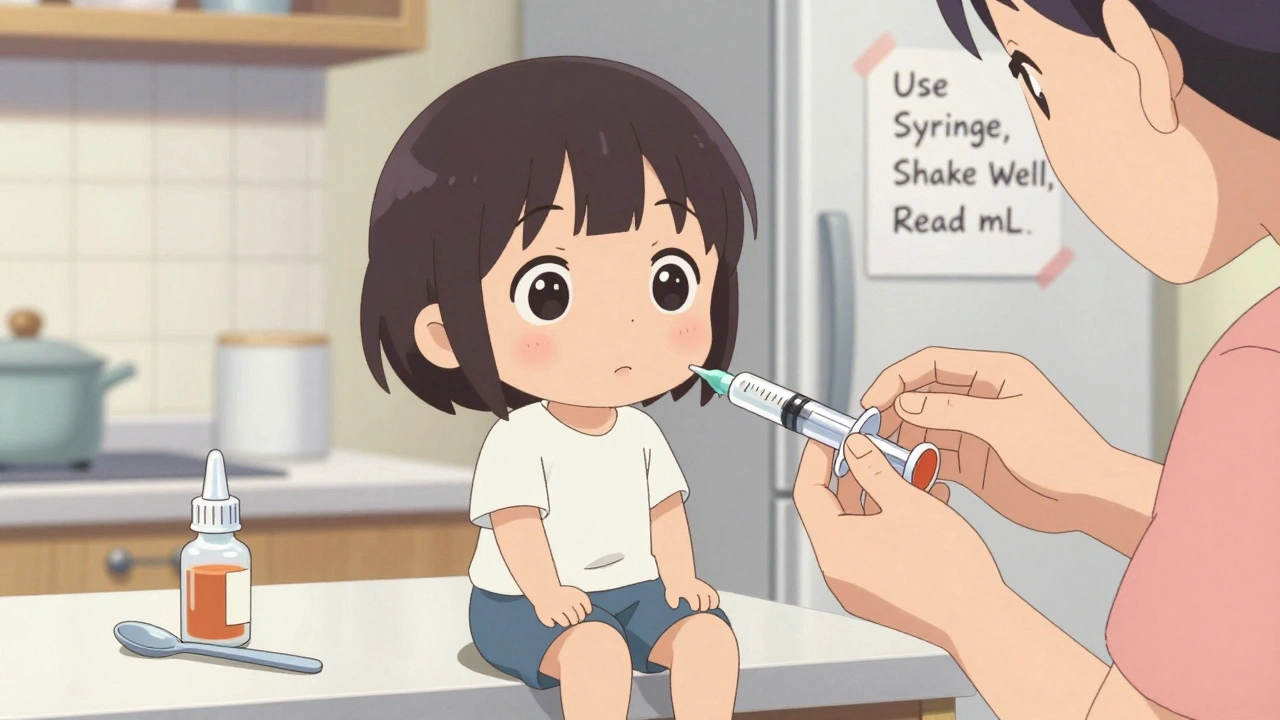
That’s why acetaminophen for kids, a common fever and pain reliever used in pediatric care and ibuprofen for children, an anti-inflammatory used for fever and swelling aren’t just "half the adult dose." Dosing depends on weight in kilograms, not age alone. A 20-pound toddler needs a completely different amount than a 60-pound child, even if they’re both "6 years old." Many parents rely on kitchen spoons or guesswork, but those aren’t accurate. Always use the syringe or cup that comes with the medicine. If it’s missing, ask your pharmacist for one—they’ll give it to you free.
It’s not just about getting the right number. Children's medication dosing also means knowing when to stop, what to avoid mixing, and how to spot early signs of overdose. Some cough syrups contain acetaminophen too—giving extra fever medicine on top can lead to liver damage. Other meds, like certain antibiotics or antihistamines, can cause drowsiness that’s dangerous if combined with sleep aids or even certain foods. And don’t assume that because a medicine is "over-the-counter," it’s automatically safe for kids. Many adult OTC products aren’t approved for children under 12.
Storage matters too. A bottle left in a hot bathroom or a child’s reach can lead to accidental poisoning. Always lock up meds, even if they’re "just for a fever." And never call medicine "candy" to get a kid to take it—that creates lifelong confusion and risk.
When a child’s symptoms don’t improve, or if they seem worse after taking medicine, don’t just give another dose. Call your doctor. Some reactions—like a rash after amoxicillin, or trouble breathing after ibuprofen—need immediate attention. And if you ever doubt the dose, pause. Check the label again. Call your pharmacist. Use a trusted source like the FDA or AAP guidelines. There’s no shame in asking.
Below, you’ll find real, practical advice from parents and doctors who’ve been there. From how to measure drops for infants to what to do when your child throws up medicine, these posts cover the details most guides skip. You won’t find fluff here—just clear steps, warnings, and fixes that actually work in real homes.
How to Measure Children’s Medication Doses Correctly at Home
9 Dec, 2025
Learn how to measure children's liquid medication accurately at home using oral syringes and milliliters only. Avoid dangerous dosing errors with proven steps, tools, and expert tips.
 by
by