Insurance Appeal Generic: How to Fight for Coverage of Generic Medications
When your insurance appeal generic, a formal request to overturn a denial of coverage for a generic drug. Also known as drug coverage appeal, it’s often the only way to get affordable medications when your plan refuses to pay. Generic drugs are just as safe and effective as brand-name versions—they contain the same active ingredients, meet the same FDA standards, and are often 80% cheaper. But insurance companies still deny them, sometimes without good reason. You’re not alone if you’ve been told your generic prescription isn’t covered, or worse, that you must pay full price for the brand name. The truth? Most denials can be overturned with the right steps.
Many insurance denials happen because of administrative errors, outdated formularies, or cost-shifting tactics. But you can fight back. A successful insurance appeal generic, a formal request to overturn a denial of coverage for a generic drug needs more than frustration—it needs facts. Your doctor’s letter explaining why the generic works for you, proof of prior authorization denial, and documentation showing therapeutic equivalence are key. Some plans require a prior authorization form, others ask for a letter of medical necessity. The generic medication coverage, the extent to which health insurance plans reimburse for generic drugs isn’t always clear, but federal rules require insurers to cover generics unless there’s a medically valid reason not to. And if your drug is on the FDA’s list of approved generics with therapeutic equivalence ratings (like those marked AB1), you have strong leverage.
Don’t ignore the fine print. Some plans use step therapy, forcing you to try cheaper generics before covering brand drugs—but if the generic caused side effects, that’s grounds for appeal. Others restrict coverage based on pharmacy network or quantity limits. You might be surprised how often a simple phone call to your insurer’s pharmacy benefits manager fixes the issue. If that fails, file a formal appeal within 60 days. Include your prescription history, lab results, and any prior denials. Many people win their appeal on the first try when they present clear evidence. And if you’re on Medicare Part D, you have extra protections under the appeals process.
Below, you’ll find real stories and proven strategies from people who’ve been through this exact battle. From how to write a winning appeal letter to which medications are most often denied and why, these guides give you the tools to get your meds covered—without paying more than you should.
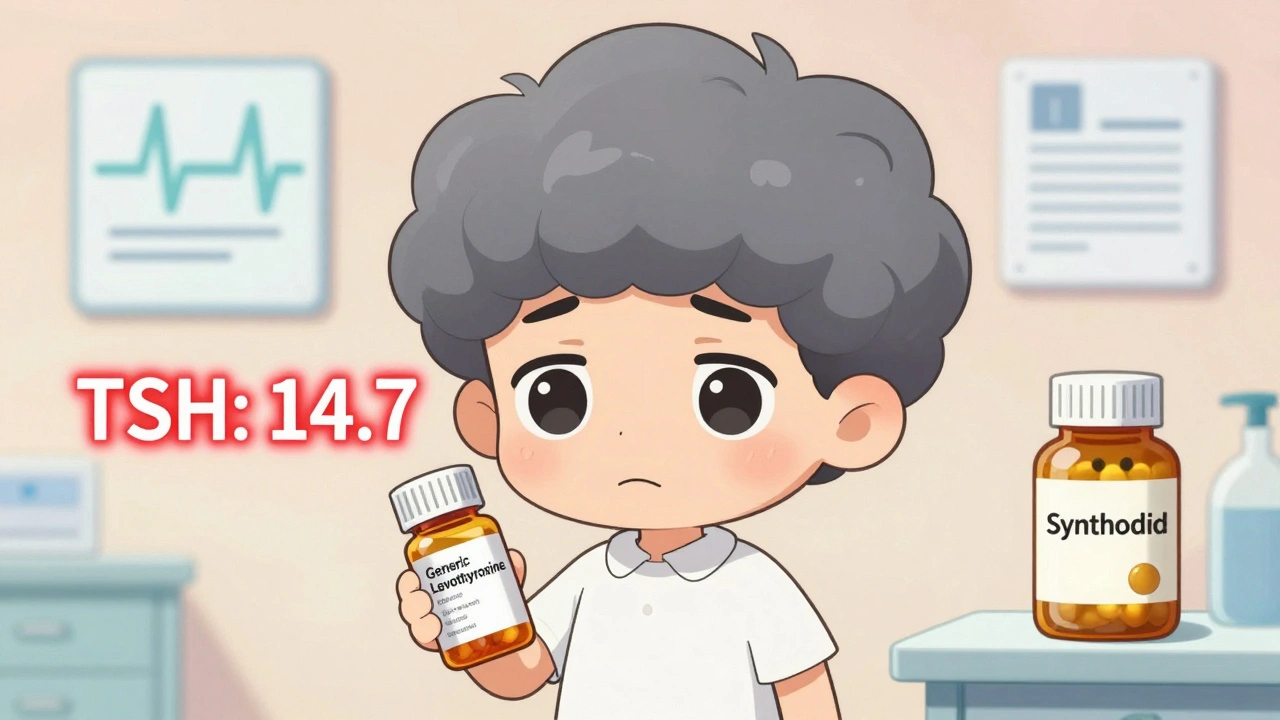
Insurance Appeals: Fighting Denials When a Generic Medication Doesn't Work
4 Dec, 2025
When a generic medication doesn't work for you, insurance denials can be frustrating and dangerous. Learn how to fight back with medical evidence, step-by-step appeals, and proven strategies to get your brand-name drug approved.
 by
by