Insurance Denial Help: What to Do When Your Prescription Is Rejected
When your insurance denial, the rejection of a prescribed medication by your health plan. Also known as prescription denial, it happens when your insurer says no to covering a drug you need—often without clear reasons. This isn’t just a paperwork issue; it’s a health barrier that can delay treatment, worsen conditions, and force tough choices between meds and rent. You’re not alone. Millions face this each year, especially with high-cost drugs for diabetes, heart disease, or autoimmune conditions. The good news? Most denials can be overturned with the right steps.
Insurance companies don’t deny prescriptions randomly. They use prior authorization, a process where your doctor must prove a drug is medically necessary before the insurer pays. They may also use formulary restrictions, lists of approved drugs that often favor cheaper generics or brand-name alternatives. If your drug isn’t on the list—or your doctor didn’t fill out the right forms—you get a denial letter. But that letter isn’t the final word. You have the right to appeal, and many appeals succeed when backed by medical records, letters from your doctor, or proof of prior treatment failures.
There’s also government medication assistance programs, state and federal programs that help people pay for prescriptions when insurance falls short. Programs like Medicare Extra Help or state pharmaceutical assistance programs (SPAPs) can cover costs you can’t afford—even if your insurance denied the claim. These aren’t hidden secrets; they’re public resources, and you can apply even while your appeal is pending.
Don’t ignore a denial letter. Waiting too long can mean running out of meds. Many people give up after one rejection, but insurers expect appeals. In fact, nearly half of all appeals are approved on the first try. Your doctor’s office can help you file, or you can do it yourself with templates from the FDA or consumer advocacy groups. Keep copies of every document—prescriptions, denial notices, doctor’s notes. This isn’t bureaucracy; it’s your right to care.
Some denials happen because of simple errors—a wrong code, a missing signature, or an expired prior auth. Others are about cost-control, not medical need. Either way, you have tools to push back. You’re not fighting just for a pill—you’re fighting for your health. The posts below show real cases: how people got their insulin covered after denial, how to use state aid when insurance won’t budge, and how to spot when a generic switch is actually harming your condition. These aren’t theoretical guides. They’re step-by-step fixes from people who’ve been where you are.
Insurance Appeals: Fighting Denials When a Generic Medication Doesn't Work
4 Dec, 2025
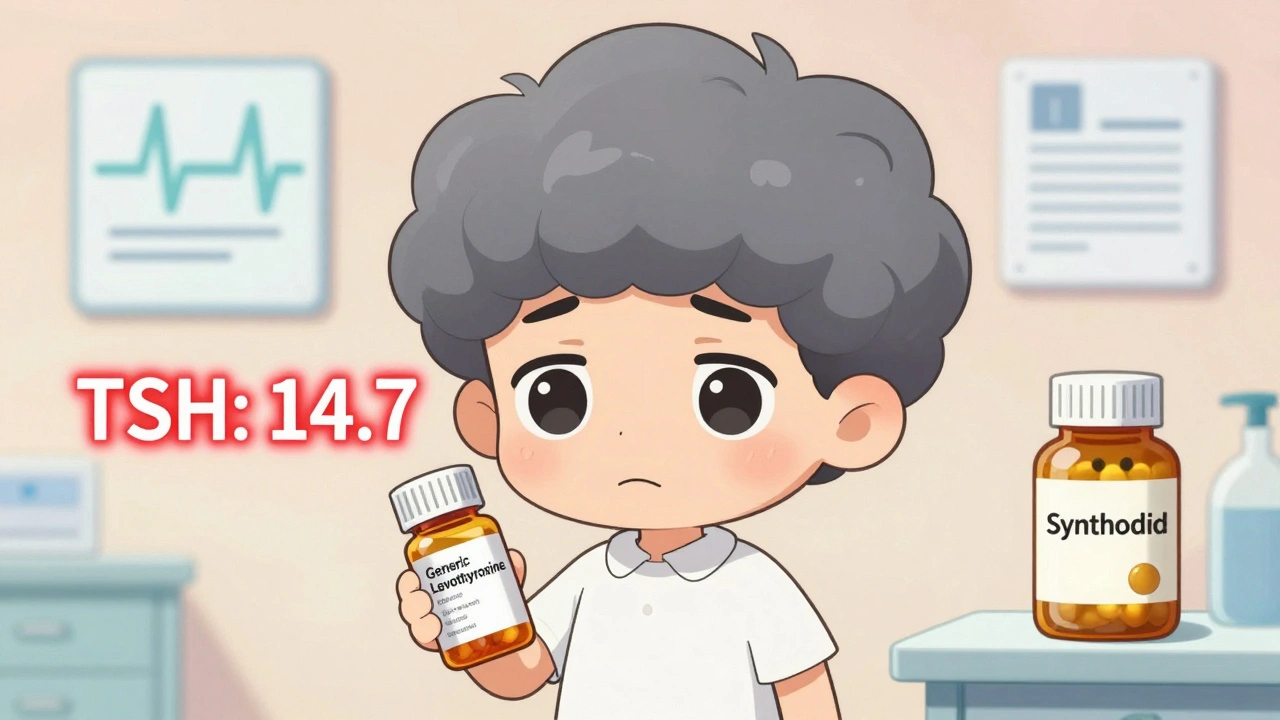
When a generic medication doesn't work for you, insurance denials can be frustrating and dangerous. Learn how to fight back with medical evidence, step-by-step appeals, and proven strategies to get your brand-name drug approved.
 by
by