Therapeutic Inequivalence: Why Some Generics Don't Work the Same
When you switch from a brand-name drug to a generic, you expect the same results—same relief, same side effects, same safety. But sometimes, that’s not what happens. This is where therapeutic inequivalence, the failure of two drugs to produce the same clinical effect despite having the same active ingredient comes into play. It’s not about fake meds or poor quality control. It’s about subtle differences that your body notices—even when the label says everything matches.
Therapeutic inequivalence doesn’t always mean the generic is broken. Often, it’s the inactive ingredients, the fillers, dyes, or preservatives that help the pill hold together or dissolve properly that cause the issue. A person allergic to lactose might get stomach pain from one generic but not another. A slow-dissolving tablet might not release the drug fast enough to control morning seizures. Even small changes in how the drug is absorbed can matter most for drugs with a narrow therapeutic index, a range so tight that a tiny drop in potency or spike in absorption can turn treatment into toxicity. Warfarin, lithium, and digoxin are classic examples. One pill might keep your blood thin just right. The next, even if labeled the same, might push you into danger.
It’s not just about chemistry. Your body’s metabolism, your age, what you eat, even your gut bacteria can change how a drug behaves. That’s why switching generics isn’t always harmless. People on thyroid meds, epilepsy drugs, or heart medications often report feeling different after a switch—even when doctors say it’s "the same drug." The FDA allows generics to vary in absorption by up to 20%, and for some people, that’s enough to break their balance. You don’t need to avoid generics. But you do need to pay attention. If your symptoms change, your lab numbers shift, or you feel off after a refill, it’s not "all in your head." It might be therapeutic inequivalence.
Below, you’ll find real stories and science-backed advice from people who’ve dealt with this. From spotting hidden differences in pill coatings to knowing when to push back on a pharmacy substitution, these posts give you the tools to take control—not just accept what’s handed to you.
Insurance Appeals: Fighting Denials When a Generic Medication Doesn't Work
4 Dec, 2025
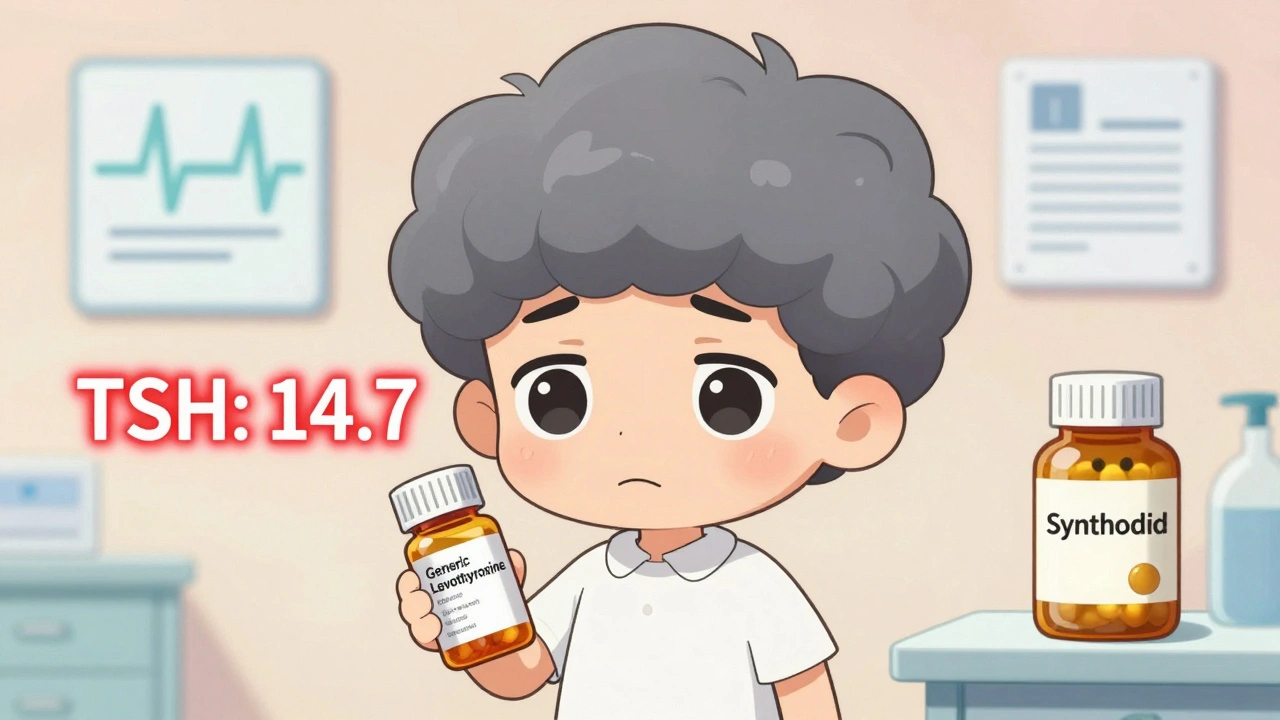
When a generic medication doesn't work for you, insurance denials can be frustrating and dangerous. Learn how to fight back with medical evidence, step-by-step appeals, and proven strategies to get your brand-name drug approved.
 by
by