Pregnancy Allergy Meds: Safe Options and What to Avoid
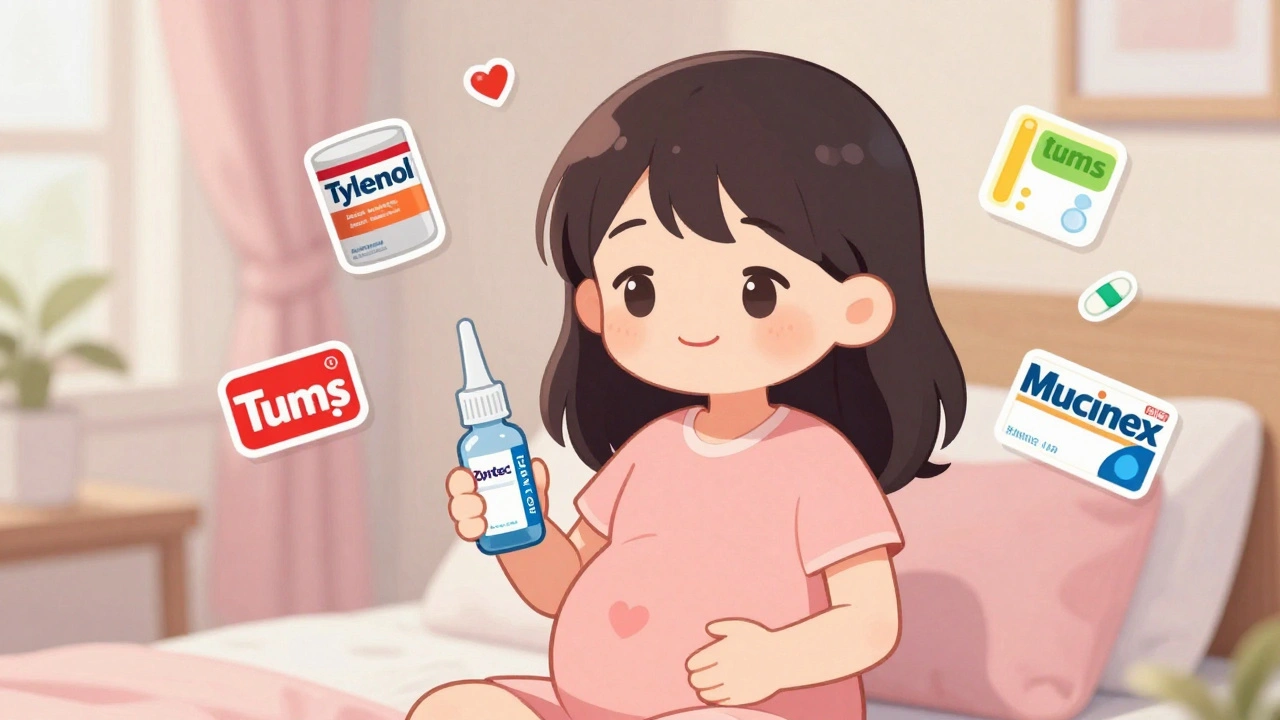
When you're pregnant and fighting allergies, you don't just want relief—you need pregnancy allergy meds, medications approved for use during pregnancy that relieve allergy symptoms without harming fetal development. Also known as safe antihistamines for expectant mothers, these are the only options you should trust when your nose won't stop running or your eyes won't stop itching. Not all allergy drugs are created equal, and what’s fine before pregnancy can be risky once you’re expecting. The good news? Several common antihistamines have been studied in thousands of pregnant women and show no increased risk of birth defects or complications.
For example, cetirizine, a non-drowsy antihistamine commonly sold as Zyrtec. Also known as second-generation antihistamine, it’s been used safely by pregnant women for over two decades with no clear link to problems in newborns. Same goes for loratadine, the active ingredient in Claritin, which crosses the placenta minimally and has the most data supporting its safety in early pregnancy. Also known as non-sedating allergy pill, it’s often the first choice for doctors. Nasal sprays like Flonase, a corticosteroid spray used for chronic nasal congestion and allergic rhinitis. Also known as intranasal steroid, it’s absorbed in tiny amounts and doesn’t reach the baby in significant levels. These aren’t just guesses—they’re backed by real-world data from large pregnancy registries and long-term follow-ups.
But not all meds are safe. Decongestants like pseudoephedrine and phenylephrine can restrict blood flow to the placenta, especially in the first trimester. Oral steroids and some older antihistamines like diphenhydramine (Benadryl) may be okay occasionally, but they’re not first-line choices because they can cause drowsiness, low birth weight, or even withdrawal symptoms in newborns. And don’t assume natural remedies are safe—some herbal supplements, including butterbur or echinacea, lack enough safety data and could interfere with hormone levels.
It’s not just about picking the right pill. Managing allergies during pregnancy also means avoiding triggers—dust mites, pollen, pet dander—and using non-drug tools like saline rinses, humidifiers, and air purifiers. Many women find that combining a safe antihistamine with environmental controls gives them the best relief without any extra risk.
What you’ll find below isn’t a list of random articles. It’s a focused collection of real, practical guidance from women who’ve been there, and from doctors who track what works. You’ll see how to handle rebound congestion from nasal sprays, why some generics feel different even when they’re supposed to be the same, and how to tell if your allergy meds are interacting with other prenatal supplements. Every post here is about real-life safety, real symptoms, and real choices—no fluff, no fearmongering, just what you need to feel better and stay protected.
Medications Safe During Pregnancy: A Complete Patient List
1 Dec, 2025
A clear, evidence-based list of medications safe to take during pregnancy, including dosages, trusted sources, and what to avoid. Covers allergies, pain relief, nausea, and chronic conditions.
 by
by