Oral Syringe Use: How to Measure and Give Liquid Medicines Correctly
When you need to give a liquid medicine—whether it’s for a child with a fever, an elderly parent on multiple pills, or even a pet—an oral syringe, a calibrated plastic tool designed to measure and deliver precise doses of liquid medication by mouth. Also known as a medicine dropper syringe, it’s one of the most reliable ways to avoid underdosing or overdosing, especially when the medicine doesn’t come with a cup or when exact amounts matter. Unlike kitchen spoons, which vary wildly in size, an oral syringe gives you control down to the tenth of a milliliter. That’s not just convenient—it’s life-saving for drugs like antibiotics, seizure meds, or pediatric pain relievers where even a small error can cause harm.
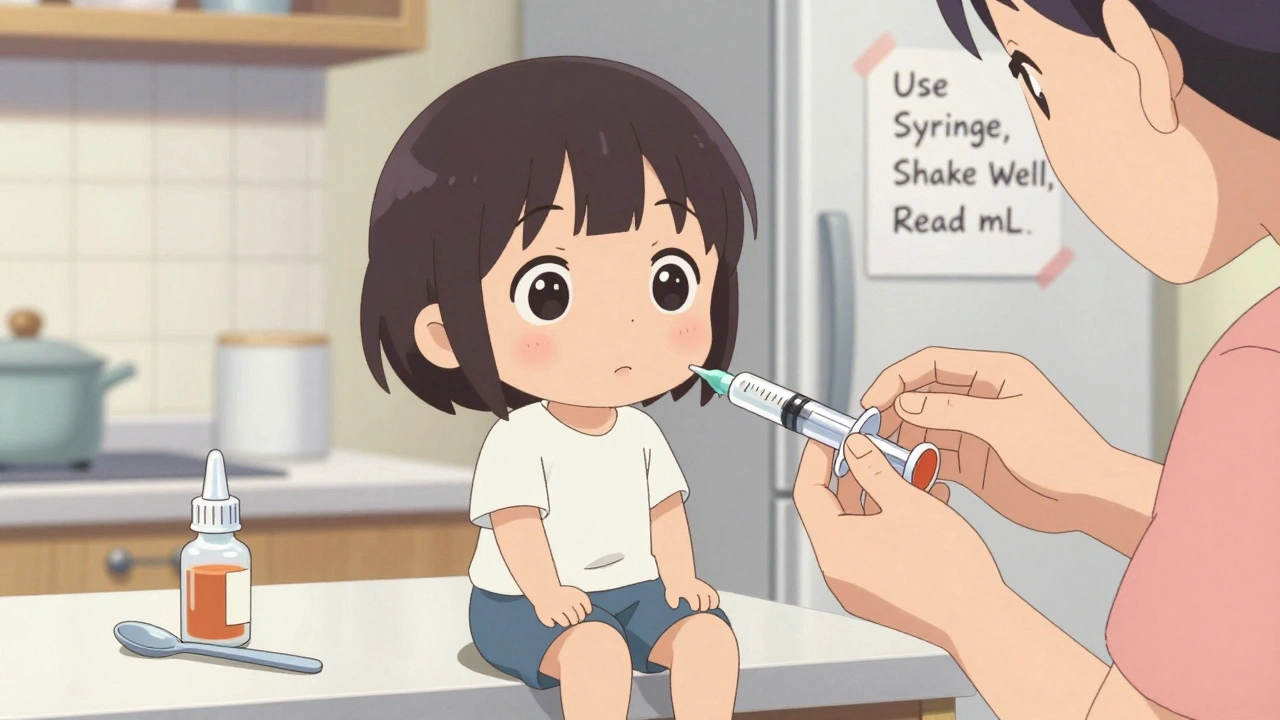
Using an oral syringe, a calibrated plastic tool designed to measure and deliver precise doses of liquid medication by mouth. Also known as a medicine dropper syringe, it’s one of the most reliable ways to avoid underdosing or overdosing, especially when the medicine doesn’t come with a cup or when exact amounts matter. isn’t just about sticking the tip in the mouth. You need to know how to draw up the right amount without trapping air bubbles, how to hold the syringe steady to prevent spills, and how to slowly push the plunger so the person doesn’t choke or spit it out. Many parents and caregivers don’t realize that if you use a syringe meant for injections, it can be dangerous—those aren’t designed for oral use and may have sharp tips. Always use a syringe labeled for oral administration. And never, ever cut or trim the tip. Even a tiny nick can change how the liquid flows, leading to inaccurate dosing.
Another common mistake? Relying on the markings on the bottle. Those are often for the entire bottle, not for single doses. The syringe is your only true measuring tool. If the prescription says 5 mL, fill the syringe to the 5 mL line—not to the top of the bottle’s cap. Also, check the unit. Some syringes show mL, others show teaspoons or tablespoons. Mixing them up is easy and deadly. A teaspoon is 5 mL, but a tablespoon is 15 mL. One wrong move, and you’ve given three times the dose. That’s why many hospitals now only give oral syringes with prescriptions—because they know people mess up with cups and spoons.
Oral syringes also help with tricky situations. Think about someone who can’t swallow pills, or a child who spits out medicine. A slow, steady push from a syringe placed along the inside of the cheek avoids the tongue and reduces gagging. For seniors on multiple meds, using a syringe to give liquid versions of drugs like blood pressure pills or thyroid meds can make adherence easier. And if you’re giving medicine to a pet, a syringe lets you control the dose precisely—no more guessing if the dog got the whole treat.
It’s not just about the tool. It’s about the habit. Always wash the syringe after each use with warm water and let it air dry. Don’t reuse syringes from someone else. Store them in a clean place, away from dust or pets. Keep them out of reach of kids—some syringes look like toys. And if you’re ever unsure how much to give, call your pharmacist. They’ve seen the mistakes before and can walk you through it. You don’t need to be a nurse to use an oral syringe correctly—you just need to be careful, consistent, and clear on the numbers.
Below, you’ll find real stories and practical guides from people who’ve been there—how to handle medication mix-ups, why some generics feel different due to inactive ingredients, how to safely dispose of unused syringes, and what to do when insurance denies a brand-name liquid med. These aren’t theory pieces. They’re the kind of advice you wish you’d known before your first dose went wrong.
How to Measure Children’s Medication Doses Correctly at Home
9 Dec, 2025
Learn how to measure children's liquid medication accurately at home using oral syringes and milliliters only. Avoid dangerous dosing errors with proven steps, tools, and expert tips.
 by
by