Looking for medicine online or trying to find a safer alternative? This category groups practical guides that help you order common drugs, compare options, and check safety—without the confusion. Whether you need Prednisone in Australia, Simvastatin for cholesterol, or want alternatives to Lasix and Zithromax, you’ll find clear steps and real tips here.
We focus on three things: where to buy, how to verify the source, and what to watch for when choosing an alternative. Each article gives straightforward advice you can act on today—like the best checks to confirm an online pharmacy, how prescriptions are handled, and which drugs often have trustworthy substitutes.
What you’ll find in this category
Detailed how-to guides for ordering specific medications (Prednisone, Simvastatin, Zaroxolyn, Imuran) from reliable sources. Lists of alternatives for drugs people commonly want a substitute for—Phenazopyridine, Furosemide, Zithromax, Lasix, Propecia—with pros and cons so you can discuss options with your clinician. Quick reads about shipping, customs, and legal rules for different countries, plus tips for spotting fake or unsafe pharmacies.
Quick safety checklist before you buy
Is the pharmacy licensed? Look for clear contact details and a pharmacy license number. Does it require a prescription? Legitimate sites will ask for one for prescription drugs. Check reviews from multiple sources and avoid prices that seem too good to be true. Verify the medication packaging, active ingredients, and expiration dates when your order arrives. If a drug interacts with other meds you take, ask your doctor first.
Want a practical example? Our Prednisone in Australia guide explains which local rules matter and how to verify Australian pharmacy credentials. The Simvastatin post walks through reading labels and checking dosage forms. If you’re curious about alternatives, the Zithromax and Propecia articles compare other antibiotics and hair-loss treatments with clear notes on effectiveness and side effects.
Shipping and customs can slow deliveries or block packages. We describe common delays and how to prepare proper documentation. For immunosuppressants like Imuran, the guides stress tight quality controls and where extra caution matters because these drugs affect the immune system.
If you’re allergic, pregnant, or have kidney or liver disease, don’t pick a substitute without medical advice. Use our articles to collect facts, then take them to your doctor or pharmacist for personalized guidance.
Explore the posts in this category to find step-by-step buying tips, side-by-side comparisons, and realistic safety checks. Each piece aims to save time and reduce risk so you can get the right medicine the smart way.
Tetracycline Photosensitivity: Managing Sun Risk During Antibiotic Treatment
1 Apr, 2026
Learn how tetracycline antibiotics increase sun sensitivity, recognize early signs of skin damage, and apply specific prevention strategies to protect your health during treatment.
Generic Drug Contamination Risks: Prevention and Response
23 Mar, 2026
Generic drugs save money but carry hidden contamination risks from global supply chains and cost-cutting. Learn how impurities get into pills, why recalls happen, and what you can do to stay safe.
Patent Term Restoration (PTE): How Drug Patents Get Extra Time
20 Mar, 2026
Patent Term Restoration lets drug makers extend their patents to make up for FDA approval delays. Learn how it works, who qualifies, and why it's both vital and controversial in the pharmaceutical industry.
Skin Rashes and Medication-Induced Dermatitis: What Patients Should Know
18 Mar, 2026
Learn how to recognize, respond to, and prevent skin rashes caused by medications. Know the warning signs of dangerous reactions and what steps to take before it's too late.
What Are Biosimilars? A Simple, Patient-Friendly Guide
16 Mar, 2026
Biosimilars are safe, effective, and more affordable versions of complex biologic drugs. They’re not generics - but they work just as well. Learn how they’re made, why they’re trusted, and how they can help you save money without sacrificing care.
How to Ask for Alternatives if a Medication Is Not Working
13 Mar, 2026
If a medication isn't working, you have the right to ask for alternatives. Learn how to communicate effectively with your doctor, what questions to ask, and how to explore non-drug options that may work just as well.
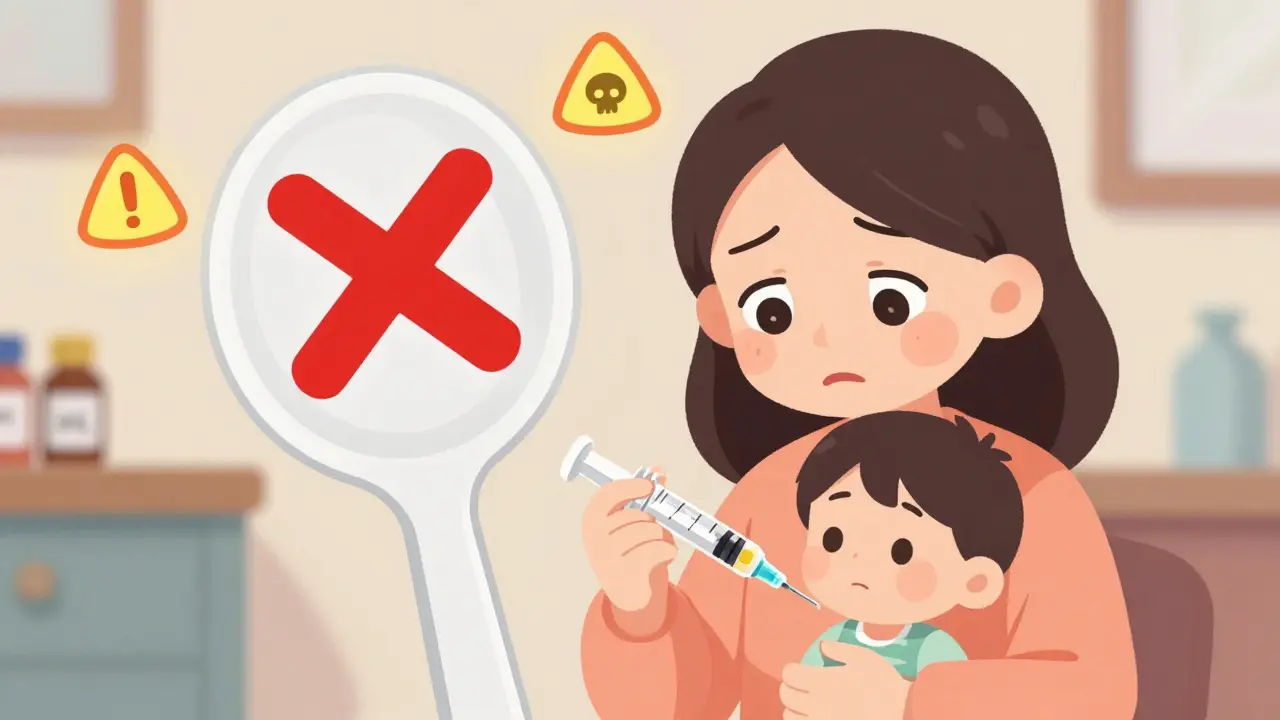
Never Use Household Spoons for Children’s Medicine Dosing
11 Mar, 2026
Using household spoons to give children medicine can lead to dangerous overdoses or underdoses. Always use an oral syringe or dosing cup marked in milliliters (mL) for accurate, safe dosing.
WHO Model Formulary: International Standards for Essential Generics
4 Mar, 2026
The WHO Model List of Essential Medicines is the global standard for identifying affordable, life-saving generic drugs. Used by over 150 countries, it guides procurement, improves access, and cuts costs - but implementation gaps remain.
How to Manage Medication Adherence When Traveling or Changing Time Zones
25 Feb, 2026
Traveling across time zones can disrupt your medication schedule, leading to health risks. Learn how to adjust your pill routine, pack safely, avoid common mistakes, and use smart tools to stay on track-no matter where you are.
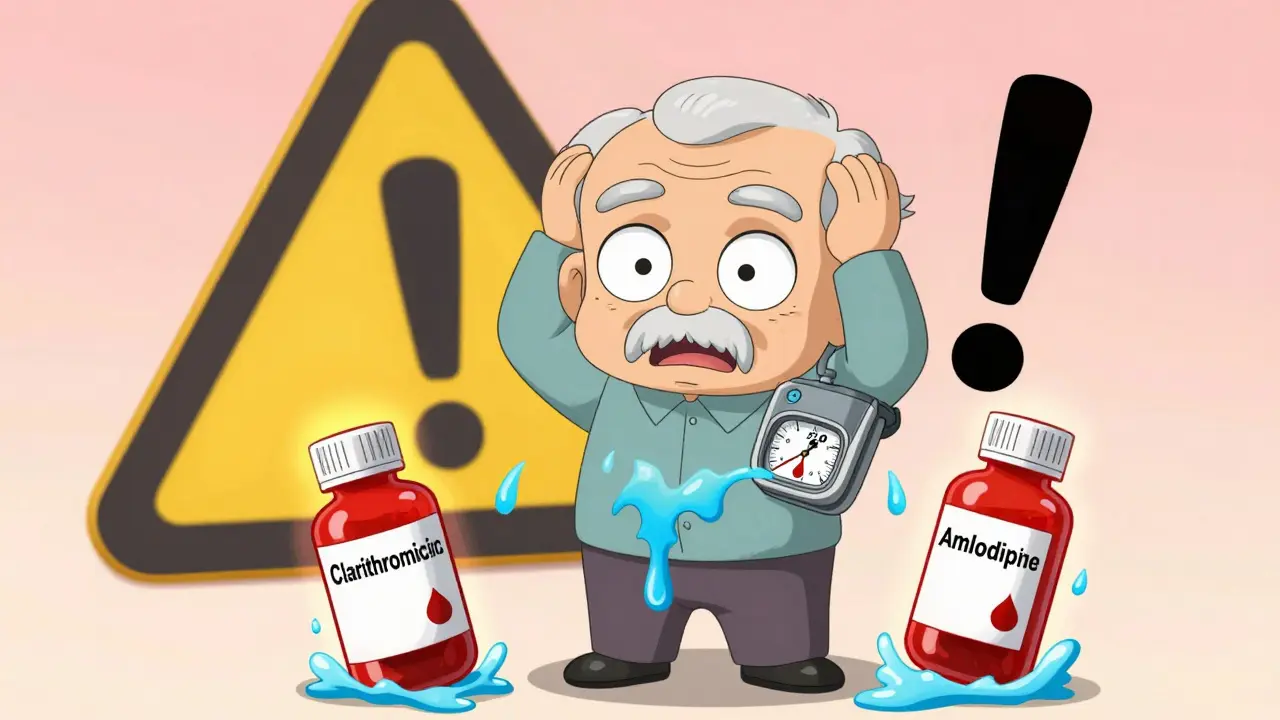
Clarithromycin and Calcium Channel Blockers: Why This Drug Combo Can Cause Dangerous Low Blood Pressure
23 Feb, 2026
Clarithromycin and calcium channel blockers can cause dangerous drops in blood pressure due to a powerful drug interaction. Learn why azithromycin is the safer alternative and how to protect yourself.

 by
by