Category: Medications - Page 4

FDA Listing for Biosimilars: How They Are Evaluated and Approved

FDA Listing for Biosimilars: How They Are Evaluated and Approved

The FDA doesn't rate biosimilars like generics-they undergo a rigorous scientific review to prove they're highly similar to reference biologics with no clinically meaningful differences. Learn how approval works, what the Purple Book is, and why only 17 are interchangeable.

READ MORE
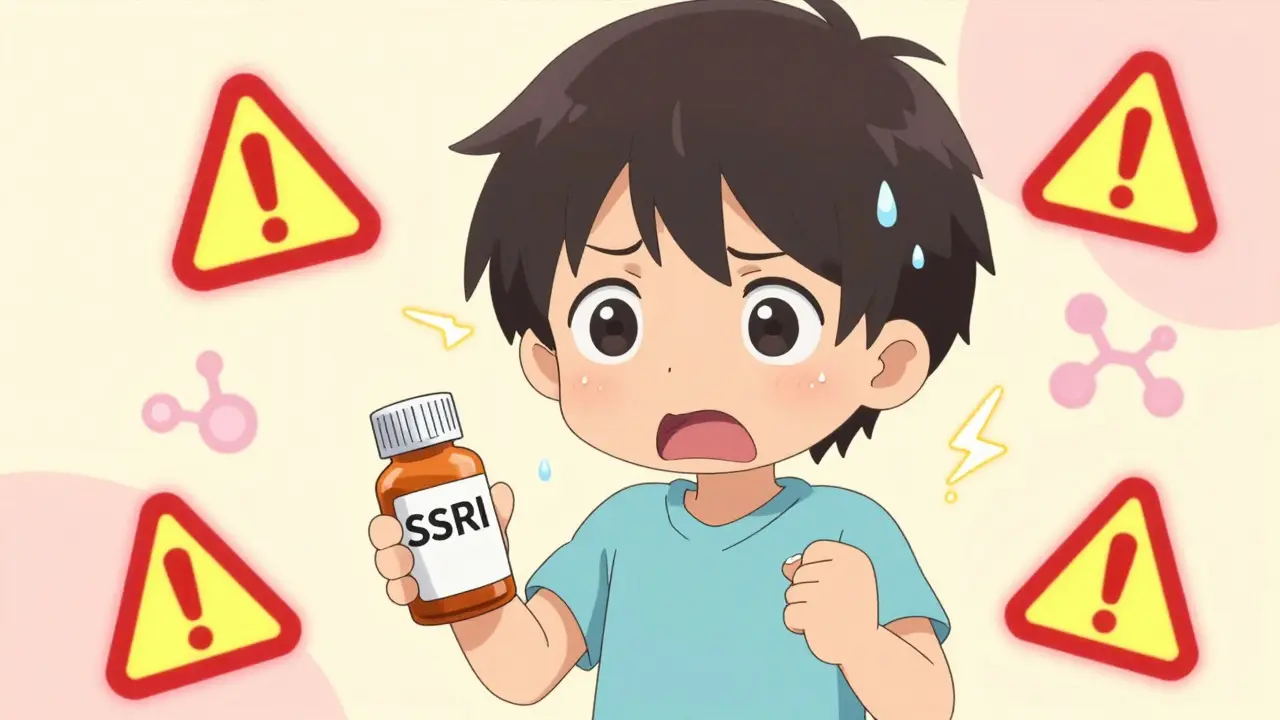
SSRI Antidepressants and Serotonin Syndrome Risk from Drug Interactions

SSRI Antidepressants and Serotonin Syndrome Risk from Drug Interactions

SSRI antidepressants can cause serotonin syndrome when mixed with other drugs like opioids, SNRIs, or herbal supplements. Learn which combinations are dangerous, how to spot early symptoms, and how to stay safe.

READ MORE
Orange Book Database: FDA's Approved Drug Products With Therapeutic Equivalence Ratings

Orange Book Database: FDA's Approved Drug Products With Therapeutic Equivalence Ratings

The Orange Book is the FDA's official database of approved generic and brand-name drugs with therapeutic equivalence ratings. It helps pharmacists, doctors, and patients identify interchangeable medications and predict when generics will become available, saving billions annually.

READ MORE
Blood Pressure Medications: Types, Side Effects, and Safety

Blood Pressure Medications: Types, Side Effects, and Safety

Learn about the main types of blood pressure medications, their common side effects, safety concerns, and how to take them correctly. Understand why combination therapy is often needed and how to avoid dangerous interactions.

READ MORE
FDA Orange Book: Where to Find Patent Expiration Dates for Generic Drug Access

FDA Orange Book: Where to Find Patent Expiration Dates for Generic Drug Access

Find FDA Orange Book patent expiration dates to track when generic drugs can enter the market. Learn how to search, interpret dates, avoid common errors, and verify data with USPTO records.

READ MORE
Contamination Controls: Preventing Adulteration in Generic Pharmaceuticals

Contamination Controls: Preventing Adulteration in Generic Pharmaceuticals

Contamination controls in generic drug manufacturing prevent harmful adulteration through cleanroom standards, human process discipline, and real-time monitoring. Learn how facilities avoid recalls, comply with FDA rules, and protect patient safety.

READ MORE
How to Check for Allergens and Inactive Ingredients on Prescription and Food Labels

How to Check for Allergens and Inactive Ingredients on Prescription and Food Labels

Learn how to spot hidden allergens and inactive ingredients on prescription labels. Many pills contain milk, soy, or peanuts without clear labeling-here's how to stay safe.

READ MORE
H2 Blockers and Their Dangerous Interactions with Antivirals and Antifungals

H2 Blockers and Their Dangerous Interactions with Antivirals and Antifungals

H2 blockers like famotidine and cimetidine can reduce the effectiveness of antivirals and antifungals by changing stomach acidity or blocking liver enzymes. Learn which combinations are dangerous and how to avoid treatment failure.

READ MORE
How Long Medications Actually Remain Effective After Expiration

How Long Medications Actually Remain Effective After Expiration

Most medications remain effective years after their expiration date, but not all. Learn which pills are still safe to use, which ones you should never take, and why expiration dates are more about business than science.

READ MORE
Why the First Generic Drug Filer Gets 180 Days of Market Exclusivity

Why the First Generic Drug Filer Gets 180 Days of Market Exclusivity

The first generic drug company to file a patent challenge gets 180 days of exclusive sales rights. This rule, from the Hatch-Waxman Act, was meant to speed up affordable drugs-but loopholes let some companies block competition without selling anything.

READ MORE